SCUOLA MEDICA OSPEDALIERA in collaborazione con la COOPERATIVA DI PSICOTERAPIA MEDICA presenta:
EDUCAZIONE CONTINUA IN MEDICINA ANNO 2013
CURA O CONDANNA? POSSIBILITA’ DIAGNOSTICHE E LIMITI NELLA PSICHIATRIA FORENSE
11 e 25 Ottobre 2013 Responsabile dell’evento: Dott.ssa Daniela Colamedici Sede: Cooperativa Sociale di Psicoterapia Medica – Via Federico Rosazza 58 – 00158 Roma
CREDITI: 20
IL CORSO HA UNA DURATA DI 15 ORE ED E’ APERTO A 25 MEDICI E PSICOLOGI.
Il corso, aperto a 25 Medici e Psicologi, sarà articolato in due incontri nelle giornate di Venerdì 11 e 25 ottobre 2013 presso la Cooperativa Sociale di Psicoterapia Medica – Via Federico Rosazza 58 – 00158 Roma.
Fare diagnosi in ambito psichiatrico/forense è un processo estremamente complesso perché spesso appare assai complicato differenziare un comportamento criminale dall’agito correlato ad una patologia mentale.
Il primo deve essere sottoposto a processo, giudicato ed eventualmente punito o riabilitato, mentre la patologia, ovviamente, necessita di diagnosi e cura, non certo di
punizione.
Valutare unicamente la capacità di intendere e di volere del soggetto al momento dell’atto è sicuramente insufficiente alla comprensione e valutazione dello stato mentale di chi ha commesso il reato.
I casi di cronaca degli ultimi anni, insieme alla recente legge italiana che dispone la chiusura degli Ospedali Psichiatrici Giudiziari, hanno riaperto questo annoso dibattito.
Riflettere su concetti quali la responsabilità, l’imputabilità e gli aspetti diagnostici è un punto cardine per addentrarsi in questo campo.
Gli scopi scientifici di questo evento formativo sono collocabili nell’ambito di questa cornice. Pertanto, negli incontri previsti, si cercherà di studiare e approfondire queste tematiche a partire da una prospettiva multidisciplinare.
Sotto tutti gli aspetti , Eleanor Longden era proprio come ogni altro studente , frequentava il college piena di speranze e senza un pensiero al mondo . Questo fino a quando le voci nella sua testa hanno iniziato a parlare . Inizialmente innocue , queste narrazioni interne divennero sempre più antagonistiche e dittatoriali , trasformando la sua vita in un incubo . Con la diagnosi di schizofrenia , ospedalizzata , “drogata” , Longden è stato scartata da un sistema che non sapeva come aiutarla . Longden racconta la storia in movimento del suo anni -, un lungo viaggio di ritorno verso la salute mentale , e riferisce di come impararando ad ascoltare le sue voci sia stata i in grado di sopravvivere .
Eleanor Longden ha messo alle spalle la diagnosi di schizofrenia ottenendo un master in psicologia e dimostrando che le voci nella sua testa erano ” una reazione sana a circostanze folli”
WATCH: Why I Thank the Voices in My Head
di Eleonor Longden
Pochi mesi fa , un mio collega brandiva un articolo di fronte a me con un’espressione piuttosto perplessa . “Leggi questo ! ” egli disse: ” Non l’avrei mai creduto. ” Era un pezzo che si riferiva ad un uomo che sente delle voci . Incuriosita , ho cominciato a leggere :
“La voce è identificata come Ruah … la parola del Vecchio Testamento per Spirito di Dio. . Parla con una voce femminile e tende ad esprimere ldichiarazioni riguardanti un ‘attesa messianica . E mi ha parlato sporadicamente da quando ero al liceo . Mi aspetto che se la crisi verrà essa dirà qualcosa di nuovo. ‘molto essenziale … si limita a un paio di frasi molto succinte e concise. Devo essere molto ricettivo di sentirle: suonano come se fosse venute da milioni di chilometri di distanza . ”
La ragione per la sorpresa del mio collega non era tanto il contenuto ( lui è uno psicologo ed è ben abituato a racconti da persone che ascoltano cose che nessun altro può udire ). Piuttosto, era l’ incontro con questo ” spirito tutelare ” che lo sorprese. Perché non si trattava del racconto un paziente psichiatrico angosciato e disorientato: erano le parole del premiato, visionario autore Philip K. Dick le cui opere , tra gli altri , hanno ispirato il film Blade Runner e Total Recall . Per me , questo non è stato particolarmente sorprendente , perché non dovrebbe capitare a qualcuno realizzato e di grande fama anche capita di essere l’ascoltatore di una voce? Ma al mio collega questa evenienza sembrava presentare una sconcertante , quasi inquietante , dissonanza . E , in una certa misura , posso comprendere la sua sorpresa . Dopo tutto , l’allucinazione auditiva è strettamente intrecciata con la schizofrenia ( con tutte le connotazioni sinistre che questa diagnosi controversa comporta ) . E nell’immaginario popolare , le voci sono comunemente collegate con lo sconvolgimento , la follia , e la alienazione mentale . Oggi molti individui soggetti ad allucinazioni abitano in un territorio territorio ostile – è un’esperienza che viene letteralmente associata alla paura , al sospetto e alla diffidenza .
——————————————————————————————————-
Nel corso degli anni , le mie voci sono cambiate , moltiplicate , mi hanno terrorizzata , ispirata e incoraggiata . Oggi sono una parte intrinseca , importante della mia identità , ma c’èstato anche un momento in cui la loro presenza mi ha spinto agli estremi deliranti di miseria , la disperazione, e la disperazione .
– Eleanor Longden
——————————————————————————————————-
Eppure, nonostante questo nesso fra allucinazioni e pazzia , la psichiatria ha da tempo riconosciuto che il sentire sentire voci si riscontra di una serie di patologie psichiatriche non- psicotiche, in particolare in condizioni come lo stress post- traumatico ed i disturbi dissociativi . Forse ancora più inaspettatamente , la ricerca suggerisce anche che circa il 13 per cento delle persone con storia di problemi psichiatrici può anche riferire di aver udito “voci”ad un certo punto della loro vita . Di per se stesso “l’udire voci”è un tema che ha attratto l’attenzione – perchè evoca le sfumature della percezione mentre riflette la natura del sé – ed è stato via via stato temuto , vilipeso , celebrato e consacrato , e scrutato, anche per le sue implicazioni forensi, all’interno di specialità diverse come la psicologia , la neurologia, l’antropologia , la teologia , discipline medico-umanistiche e studi culturali. Inoltre , i racconti di “voci” sono stati documentati nel corso della storia umana essendo stati riferiti da una vasta gamma di pionieri , geni , ribelli, e innovatori attraverso i secoli – e anche da gente normale, ineccepibile come me . Vedete , anch’io io sono una ascoltatrice di voce .
E ‘stata la delirante profondità del mio delirio ed il benefico ed esaltante viaggio connesso all’udire “la voce” che mi ha condotto a Long Beach nel palco delle conferenze per il TED 2013. Nel corso degli anni , le mie voci sono cambiate , si sono moltiplicate , e mi hanno terrorizzato , ispirato e incoraggiato . Oggi sono una intrinseca , importante parte della mia identità , ma c’era anche un momento in cui la loro presenza mi ha spinto agli estremi deliranti della miseria , della disperazione,. Le voci mi hanno portato in un reparto psichiatrico dove mi sono ritrovata inerme e mi ha tirato giù nelle profondità più buie della follia , eppure mi hanno anche sollevarmi per aiutarmi a passare gli esami universitari In definitiva mi sono elevata fino al punto di scoprire le verità fondamentali e la guarigione di me stesso . L’evoluzione di questa comprensione – ed i notevoli privilegi e le prove terribili sostenute – costituiscono la base del mio discorso che accompagna il libro presentato per il ciclo di conferenze della -TED-2013 , dal titolo “Imparando dalle voci nella mia testa”.
Condividere le mie esperienze pubblicamente l’ho sentita come un esperienza travolgente , ma ad ogni passo la solidarietà di amici e colleghi del ” Movimento Internazionale di coloro che odono le voci” mi ha fortificato e sostenuta . Questa organizzazione ha fatto enormi passi avanti per sostenere che l’udire le voci è una esperienza umana significativa, quella che, per molti di noi , incarna, metafore ed immagini dense di emotivà che comunicano informazioni interessanti sul dolore ed i conflitti nella nostra vita . Non si tratta di patologizzante le voci come sintomi , ma piuttosto si tratta di capire , accettare , e recuperarne il senso . Nel mio pellegrinaggio di recupero, ho imparando a considerare le voci in modi più rispettosi , ed empatici considerandole come adattamenti , strategie di sopravvivenza , e rappresentazioni del dolore emotivo che ha reso possibile la mia guarigione . Dopo anni di vergogna , orrore , e la sofferenza , ho finalmente fatto pace con le mie voci che , fondamentalmente , significava fare la pace con me stessa . Ed era questa mia situazione che mi ha reso capace i potenziato me prendere parte allae conferenze TED , non come un ex paziente – psichiatrica con un ‘cattivo cervello, ‘ ma come una sopravvissuta orgogliosa alla pazzia con un repertorio di voci preziose e piene di significato di valore. Infatti, alla fine del mio discorso June Cohen , una delle meravigliose co-organizzatrice della conferenza , è venuto sul palco e mi ha chiesto , con un rispettoso interesse , se sento ancora voci. Per una frazione di secondo ho esitato , chiedendosi se dovevo fingermi ‘normale’ e suonare il basso con un arioso ” oh, non più di tanto ora . ” Invece ho optato per la verità: ” Per tutto il tempo “, dissi allegramente , “In realtà le ho sentite mentre ho fatto il discorso … loro mi ricordavano che cosa dire ! ” Orgoglio , responsabilizzazione e il sostegno per ascoltare le proprie voci senza difficoltà dovrebbero , credo, essere un diritto naturale di ognuno che ha questa esperienza . Così anche , il diritto alla libertà , la dignità, ed il rispetto riguarda anche “una voce” che può essere ascoltata .
“Emancipazione femminile” :il termine latino “mancipatio” esprimeva l’atto solenne di una vendita rituale tramite il quale il pater familias sanciva che il figlio, non fosse più soggetto al suo dominio. L’emancipazione cioè il raggiungimeno di una eguaglianza giuridica ma anche la liberazione, cioè la rivendicazione di una diversa soggettività della donna si è svolta storicamente sul terreno dei diritti civili, politici e sociali . Emancipazione e liberazione sono processi ancora in atto che necessitano per essere portati a compimento , di fondamentali cambiamenti sul piano culturale e sociale . Le teorie che cercano di comprendere le radici storiche della disuguaglianza fra uomo e donna in parte sono aspecifiche, cioè riconducono la subordinazione femminile ai fattori generali dell’oppressione sociale. Altre teorie più specifiche partono dalle caratteristiche dell’ anatomo- fisiologia femminile e dall’originaria dipendenza dall’uomo, dovuta ai parti frequenti e alla necessità di allattare i figli . Nell’Ideologia tedesca (1846) Marx ed Engels avevano asserito che “la prima divisione del lavoro è quella tra uomo e donna per la procreazione dei figli”.. Le strategie politiche legate storicamente alle lotte della classe operaia rivendicavano per le donne una partecipazione attiva ai processi produttivi e l’affrancamento dalla schiavitù dei lavori domestici e dall’esclusivo onere dell’allevamento dei figli :la prassi di emnacipazione derivate dal materialismo storico , era destinata al fallimento. Nei regimi comunisti il sogno di una “donna nuova” di Alexandra Kollontaj all’alba della rivoluzione del 1917 naugfragò clamorosamente Nessuna donna arrivò ai vertici della scienza, dell’arte o della politica sotto Stalin ed i suoi successori. E nella Russia post sovietica la situazione non è sostanzialmente cambiata. Massimo Fagioli in “Bambino donna e trasformazione umana” (1980) ha paragonato Marx ed il marxismo ad una donna che è rimasta chiusa nella sua verginità e questo perchè il filosofo di Treviri ha parlato di una trasformazione ma non ci ha dato i mezzi per farla: il mondo umano non è stato “interpretato” cioè adeguatamente compreso in quanto è mancata una scienza della realtà psichica. La prassi politica legata alla soddisfazione dei bisogni ed alla realtà materiale, come nella tradizione del marxismo, ha prodotto un ribellismo cieco e non trasformazione reale. “ La proposizione di trasformazione si pone soltanto nei riguardi della realtà psichica umana adulta così come ce la troviamo di fronte . Qui il ciò che è può essere rifiutato radicalmente per una trasformazione completa dell’esistente “ ( Massimo Fagioli 1980).
Il processo di ricreazione psichica della nascita, che fa emergere ciò che è assolutamente nuovo, presuppone la dialettica uomo donna, il confronto fra due soggettività uguali ma nello stesso tempo diverse oltre al rapporto con ciò che in ciascuno non è cosciente e razionale. Solo così è possibile non tanto l’emancipazione ma la liberazione dell’ uomo e della donna insieme. Il femminismo “virginale,” partorito non solo dal marxismo ma anche, sia pur con prerorogatice differenti dalla psicoanalisi a partire dalla figura mitica di AnnaO- Bertha Pappenheim, appare assolutamente privo di senso. Bertha Pappenheim si oppose fermamente alla psicoanalisi dopo aver contribuito con la sua malattia a determinarne l’origine. Non aveva tutti i torti. Bisogna ricordare che fra le tante dichiarazioni fatte da Freud sulla inferiorità del gentil sesso spicca quella che attribuisce il pudore alla necessità di nascondere la conformazione difettosa degli organi sessuali femminili. La donna cerca di ovviare come meglio può ad una imperfezione : si spiega così il suo interesse per i tessuti e le stoffe necessarie a ricoprirla. L’unico contributo dato dalle donne alla storia delle civiltà, data la loro minore intelligenza, è stato quello di intrecciare e tessere. Si sarebbe trattato, per il padre della psicoanalisi, di una semplice imitazione per la quale la natura avrebbe già offerto un modello fornendo alla donna “il pelo pubico”. Quest’ultimo non sarebbe servito a segnalare la presenza di qualcosa di “ diverso” ma di un vuoto, l’assenza del pene. L’altra metà del cielo viene stroncata a priori senza neppure la prospettiva dell’emancipazione cioè dell’uguaglianza. Il movimento attuale delle Femen sembra non tenere in nessuna considerazione nè il pudore nè la stoffa dei vestiti.
Negli anni 70 Luce Irigaray un psicoanalista francese di formazione lacaniana si oppose a quello che lei chiamava “fal-logo-centrismo” (predominio del fallo e del logos) sia di Freud che di Lacan che predicava la centralità del “Nome del padre” ed il ritorno a Freud: ella espose le sue tesi in un libro “Speculum” (1974) e per questo fu espulsa dall’Ecole freudienne e dall’università di Vincennes dove insegnava .
“Ogni teoria –scriveva la francese-del soggetto si trova sempre ad essere appropriata al maschile . Assoggettandosi la donna rinuncia a sua insaputa, alla specificità del proprio rapporto con l’immaginario”
Essa diventa così lo specchio, più o meno deformante, della volontà di potenza e della paranoia maschile che a partire dai presocratici ha pensato ad un Logos che si riferisce all’ essere non come composto da uomini e donne ma come una realtà designata con termini adatti ad una materia inanimata.. In greco antico On, ciò che è e gli onta , gli enti, sono parole neutre. L’ontologia da allora in poi parla di un logos e di un essere chiuso in se stesso che perde la memoria della nascita ed il contatto con la realtà umana.
“In questo universo chiuso, le relazioni con l’essere stranamente evocano le relazioni di un feto con la placenta. L’essere umano, perlomeno l’essere umano maschile è immerso in un mondo che in parte produce e da cui non è separabile. Egli si trova dunque isolato, separato da ogni relazione estranea alla sua placenta” ( Luce Irigaray All’inizio Lei era -2012)
Incredibilmente però il pensiero della Irigaray, nonostante la critica alla non-sessualità cioè alla “neutralità” del logos , ha un approdo spiritualistico-religioso . In un libriccino delle Edizioni Paoline “ Il mistero di Maria “(2010) ella sostiene che “ il divino è collegato all’aria ed al respiro: noi siamo divini dalla nascita.” La donna avrebbe un rapporto privilegiato con il soffio ed il respiro e ciò farebbe sì che il divino sia più pienamente presente nella bambina.
Maria diventa il prototipo della donna che sa conservare intatta la propria verginità che altro non è che la purezza del suo respiro: ella è capace di collegare continuamente la terra ed il cielo “medianre una trasformazione della materia con il soffio, cominciando da una spiritualizzazione del proprio respiro”
Si stenta credere che la stessa autrice di “Speculum” possa aver scritto queste parole: come esse possano contribuire alla liberazione della donna rimane davvero un grande mistero.
Come orientarsi allora? Il punto di partenza è la nascita. Se quest’ultima è respiro e soffio divino che, come nella Genesi, spiritualizza la materia inanimata e crea l’uomo, si ricade nel Cristianesimo. L’idealizzazione della Vergine annulla la sessualità e la donna. E’ necessario che i concetti stessi di verginità e di immacolata concezione vengono ridefiniti da una scienza della realtà umana .
E’ vergine ed immacolato, cioè senza peccato o perversione originale, ogni bambino, maschio o femmina che nasce ed è vivo per l’emergenza del pensiero dalla realtà biologica come ha teorizzato più di quarantanni fa Massimo Fagioli. La realtà biologica è vergine perchè, per la stimolazione della luce sulla sostanza cerebrale, la trasformazione, la concezione del pensiero che ha luogo dopo il passaggio nel canale del parto , è antecedente al rapporto interumano. Originariamente il processo è lo stesso per l’uomo che per la donna. Solo successivamente, dopo lo svezzamento, nella fase di latenza, si avrà un diverso sviluppo psichico nei due sessi che si accentuerà all’adolescenza. Un’errata concettualizzazione della nascita ha ripercussioni importanti sia a livello personale che sociale e politico. Lo dimostra non solo la vicenda di Luce Irigaray che approda a considerazioni “schizofreniche”, ma anche quella tragica di Ronald Laing che scrisse “I fatti della vita “ (1974) in cui sosteneva che l’impianto dell’embrione nell’utero è un vero e proprio trauma di cui si ha ricordo e che pertanto andrebbe abreagito (!?).La prassi di emancipazione e di liberazione che conivolge sia l’uomo che donna ha come premessa indispensabile la conoscenza dei processi fondamentali , coscienti e non coscienti, attraverso i quali la realtà psichica umana si forma si sviluppa e subisce una diversa caratterizzazione nei due sessi.
Per il Centro studi della Confindustria , abbiamo toccato il fondo: l’Italia rimane la settima potenza industriale ma la sua base produttiva è messa seriamente a rischio. Fra il 2007 ed il 2012 abbiamo perso nel manifatturiero 539000 posti di lavoro. A metà del 2013 la caduta dei livelli produttivi mette in ginocchio migliaia di imprese con ripercussioni sulla mentalità e sullo stile di vita di milioni di persone.
E’ cambiata , per effetto della recessione, la psicoterapia?
Al tempo della grande crack economico alla fine degli anni 20 l’Istituto Psicoanalitico di Berlino offriva consultazioni e terapia gratuite, per chi non aveva disponibilità . Se i pazienti possedevano una minima entrata, veniva patteggiata una cifra che variava a seconda delle risorse. Il Centro di Psiconalisi di Milano propone da un anno un’iniziativa simile per far fronte alla congiuntura ed alle nuove forme di povertà: chi potrebbe permettersi oggi le 4 o 5 sedute alla settimana del setting classico? La psicoanalisi, come prodotto “culturale” di lusso e di nessuna utilità terapeutica , rischia di diventare un reperto archeologico. L’apertura dei freudiani al mondo dei meno abbienti rimane comunque all’interno di una logica di mercato: il valore di una merce è determinato dalla legge della domanda e dell’offerta . Le “sedute” potrebbero essere considerate “merci” come altre per cui se la domanda crolla si abbassano i prezzi , si ricorre a strategie promozionali e ad offerte gratuite come nella tradizione del “marketing”: Gregory Zilboorg, brillante storico della psichiatria, che, diventato freudiano in America millantando di aver frequentato l’istituto Berlinese, si faceva pagare carissime persino le telefonate dei pazienti, si rivolterebbe nella tomba. Ma al di là di clamorosi esempi di commistione fra finanza e psicoanalisi come quello di Armando Verdiglione degno allievo del suo maestro Jacques Lacan anche lui attaccato al dio denaro, la logica del mercato è inscritta nel cuore stesso dell’antropologia freudiana che ricalca l’”Homo homini lupus” di Hobbes. L’idea di una “introiezione” come inizio della vita psichica che Freud derivò da Sandor Ferenczi negli sviluppi successivi della psicoanalista Melanie Klein portò al pensiero di “ normali” fantasticherie cannibaliche nel neonato. Quest’ultimo fin dalla nascita sarebbe attrezzato ad affrontare la spietata competizione del liberismo economico a cui dovrà far fronte da adulto, in cui il pesce grande mangia il pesce piccolo. Secondo la psicoanalisi esisterebbe un rapporto speculare fra il funzionamento dell’apparato psichico e le leggi che regolano il mercato: l’”uomo” freudiano è tout court un “Homo oeconomicus” guidato dalla razionalità e dai propri interessi egoisitici.
Il tentativo di rinnovare la tradizione berlinese è quindi un escamotage che non risolve il problema di fondo della psicoanalisi destinata in origine alla ricca borghesia viennese : l’oro puro della tecnica classica non si sarebbe potuto dare in pasto ai proletari salvo, come pensava Freud, snaturarsi in pratiche di secondo livello.
“Per il momento – affermò– non possiamo fare nulla per i vasti strati popolari che soffrono di nevrosi estremamente gravi…le nevrosi minacciano la salute pubblica non meno della tubercolosi…Dovremo affrontare il compito di adattare la nostra tecnica alle nuove condizioni che si saranno create…Ma quale sia la forma che assumerà la psicoterapia…è sicuro che le sue componenti più efficaci e significative resteranno quelle mutate dalla psicoanalisi rigorosa e aliena da ogni partito preso” (Freud, 1918)
L’Istituto di Psicoanalisi Berlinese sembrava contraddire nei suoi intenti il padre della psicoanalisi : esso fu diretto da Max Eitingon ed Ernst Simmel, socialista, molto impegnati in ambito sociale. L’elenco dei partecipanti comprendeva alcuni degli psicoanalisti più importanti di quel periodo. Una forte influenza fu anche esercitata da analisti, ideologicamente vicini al Partito Social Democratico, tra cui Helene Deutsch, Wilhelm ed Annie Reich, Erich Fromm e Siegfried Bernfeld. I limiti di questa iniziativa sono dovuti alla difficoltà di coniugare psicoanalisi e marxismo come alcuni degli autori precedenti ( in particolare Fromm e Reich) hanno cercato di fare . Secondo Massimo Fagioli (cfr. Bambino, Donna e trasformazione dell’uomo-l’Asino d’Oro 2013) l’accostamento fra Marx e Freud è assolutamente impossibile: sono note le simpatie di Freud per Mussolini da lui definito “un eroe della cultura”, la sua concezione della massa come una donna che vuole essere dominata da un uomo forte, condivisa non solo con Mussolini ma anche con Hitler, ed il suo viscerale anticomunismo. Nelle diverse declinazioni il Freudo-marxismo ha mostrato di non essere altro che una mostruosità ideologica, che porta a sviluppi fallimentari.
La storia successiva agli anni 20 dell’Istituto berlinese è molto significativa perchè indica che ci fu una sostanziale continuità fra il periodo prenazista, quello nazista ed il periodo successivo alla seconda guerra mondiale.
Agli inizi del 1933, poco dopo il consolidamento del nazismo, i lavori di Freud vennero messi all’indice, Simmel fu arrestato ed Eitingon emigrò in Palestina. Nel 1936, il locale in cui era ospitato il Policlinico psicoanalitico fu acquisito dall’Istituto Germanico per la Ricerca Psicologica e la Psicoterapia, diretto da Mattias Heinrich Goring, cugino di Hermann Goring. Mattias Goring nonostante gli anatemi del Terzo Reich , di nascosto studiava Freud. Valeva per la psicoanalisi ciò che valeva per la reazione di Wasserman per la diagnosi della sifilide: entrambe “ebraiche” erano considerate efficaci se utilizzate in soggetti ariani da parte di medici e da psicoterapeuti ariani come sostenuto nel libro di Goffrey Coks Psicoterapia nel Terzo Reich (Bollati Boringhieri 1988) Carl Jung, che da camicia bruna continuò indisturbato la sua attività durante il nazismo,, si era posto seriamente il problema se l’inconscio “ariano” stabilisse un tranfert nei confronti di uno ebraico data la diversità genetica e razziale. Lo studio di Cocks riporta esempi e vicende che restituiscono il clima di “dissimulazione” o “nicodemismo” esercitati da psicoanalisti e psicoterapeuti sotto il regime hitleriano. Ciò consentì che, dopo il 1945 la pratica professionale psicoanalitica riprendesse senza interruzione e molti psicoterapisti e psicoanalisti che avevano esercitato sotto il Terzo Reich venissero regolarmente accolti nelle società internazionali che facevano capo a Freud, Jung ed Adler.
Oggi, affrontando il tema del rapporto fra psicoterapia, società e politica non si può ignorare che da quarant’anni Massimo Fagioli, partendo dalla teoria della nascita, fa una psicoterapia “gratuita” aperta a tutti, senza distinzioni di censo, senza contratto preliminare infrangendo così la logica del mercato : la gratuità della cura è una delle condizioni essenziali della sua riuscita. Cosa intendiamo con “gratuito”? Ciò che è fatto “senza ragione”, per un movimento che non obbedisce a finalità utilitaristiche ma implica il rapporto con l’irrazionale e l’affermazione di una valore della cura che non è calcolabile o quantificabile. L’analogia è con le grandi opere artistiche che pur avendo spesso quotazioni enormi, hanno un significato universale come manifestazioni di una creatività non monetizzabile. Cezanne dipingeva per l’esigenza di dipingere come molti artisti geniali ,senza un interesse immediato di guadagno. Più in generale bisogna ricordare che, secondo il codice deontologico, l’intervento medico ( compresa quindi la psicoterapia) quando sia necessario ed indispensabile, deve essere espletato indipendentemente da ogni forma di compenso.
L’Analisi collettiva è nata storicamente nell’ambito dell’Università dal rapporto di Fagioli con un gran numero di persone attratte dalla sua teoria: esse hanno creato, nell’interazione con lui, quel particolare setting di terapia di gruppo che ancor oggi viene adottato . Originariamente, nella struttura pubblica, il setting non prevedeva alcuna forma di pagamento : dal 1980 esso si svolge in uno studio privato e ciascuno è libero di contribuire o no, in base alla propria disponibilità e volontà.
L’apertura verso il sociale , che poi è un’apertura verso la politica dell’Analisi collettiva si è realizzata spontaneamente per un movimento irrazionale: ciò costituisce un elemento di assoluta novità nel panorama storico ed internazionale.
Le sorti della psichiatria dipendono oggi dalla capacità di sviluppare modelli di psicoterapia che si ispirino all’Analisi collettiva ed alla teoria della nascita , sostenuti anche da istituzioni pubbliche . Potremmo così raggiungere un grande numero di utenti fornendo prestazioni gratuite e non riservare la cura ad un élite danarosa come ha fatto la psicoanalisi freudiana fino ad oggi a partire dalla sua penetrazione nella cultura e nella società americana. Il fallimento del freudismo negli Usa, decretato anche dai mass media a partire dagli inizi degli anni 90, ha aperto la strada al trionfo delle concezioni organicistiche , esportate anche in Europa . Queste ultime sono funzionali agli interessi economici dell’ industria farmaceutica:. il vero scopo di sistemi diagnostici , come il disastroso DSMV, uscito a metà Maggio di quest’anno, è la dilatazione del mercato degli psicofarmaci a quasi tutta la popolazione “normale”. L’economia uccide la psichiatria, che, perso il riferimento alla ricerca psicopatologia ed alla psicoterapia, non è più in grado di intercettare e comprendere, per non dire curare, le nuove forme di patologia mentale che emergono nelle società cosidette postindustriali..
Orgogliosi di essere pazzi di Domenico Fargnoli Mad Pride: a Torino hanno sfilato , a metà giugno, il giorno dopo il Gay Pride i “matti” in un corteo aperto dalla sagoma di Marco Cavallo, il simbolo della “liberazione ” basagliana. Il Mad Pride è stato un calendario di eventi fra cui una rassegna teatrale con ”artisti psichiatrici”.La finalità è stata quella di creare uno scambio fra due realtà (quella dei “normali” e quella dei “folli”) per rivendicare la libertà di vivere il disagio mentale “senza essere emarginati, sedati o rinchiusi”. Obiettivi, con le dovute precisazioni, condivisibili: è giusta la lotta contro la segregazione, l’emarginazione e la stigmatizzazione del malato di mente, contro la sopravvalutazione , ma anche la negazione della sua pericolosità. La volontà di incontro non sempre è capacità di viverlo: dove si trova la “follia”? In quanto realtà mentale quest’ultima non è in uno spazio esterno individuabile. La pazzia è molto più presente negli interstizi della normalità che nelle istituzioni psichiatriche. E’ fuorviante ritenere che la liberazione dalla malattia mentale si limiti alla circolazione di malati etichettati come tali nei viali di una città invece di segregarli in un un manicomio . L’espressione Mad pride inoltre , coniata a calco su Gay pride crea problemi su entrambi i fronti. Gli omosessuali o trasgenders rifiutano infatti la diagnosi per cui non si capisce perchè dovrebbero essere accostati ai malati. I “matti” che si vogliono sentire liberi di esserlo si credono nati in un certo modo, analogamente agli omosessuali , e nessuno potrebbe pretendere di modificare una condizione rivendicata con orgoglio: l’unica cura sarebbe la libertà di essere come si è. Si stabiliscono così equivalenze e si confondono pericolosamente realtà che solo apparentemente sono sovrapponibili. L’idea dell’incontro fra normalità e pazzia non è una novità ma risale alla controcultura degli anni 60-70 del secolo scorso . Recentemente è uscito un romanzo Rehab blues di Adrian Laing quinto figlio, di dieci avuti da quattro donne, di Ronald Laing, famoso “antipsichiatra” Inglese. Il libro è una ricostruzione letteraria di ciò che avveniva nei networks della Philadelphia Association fondata a Londra da Laing e Cooper: persone normali fra cui psichiatri, convivevano in comunità residenziali , con altre affette da patologie mentali anche gravi senza preoccupazioni di ruoli e di gerarchie. In un’ intervista a La stampa Adrian Laing parla del rapporto fra Franco Basaglia ed il padre non particolarmente caloroso, nonostante i punti di contatto. Come si evince anche dalla biografia che Adrian Laing pubblicò nel 1994 l’esperienza di Kinsdley Hall, la più famosa delle households frequentata dal padre fu un vero disastro. Laing più che la pazzia altrui aveva incontrato la propria: il fallimento del traning analitico alla Tavistock aveva accentuato la sua instabilità psichica e favorito l’abuso di alcool e di tutti i tipi di droghe fra cui l’LSD sperimentato in modo intensivo su se stesso e sui pazienti. Basaglia con la moglie dedicò un libro a “Ronnie”: La maggioranza deviante (1971). Nel titolo veniva riassunto un principio dell’antipsichiatria. Secondo una metafora, suggerita da Laing, se uno stormo di uccelli vola in una direzione e due o tre uccelli volano in senso opposto , solo questi ultimi vanno nel senso giusto : i veri de-vianti sono gli altri. David Cooper intervistato dai Basaglia dice: <<(…)La finalità [dei networks alternativi]consiste nel trovare il modo di integrare la pazzia nella società.(…) se qualcuno “impazzisce” può farlo con sicurezza, senza interferenze psichiatriche>> L’Antipsichiatria basagliana non condivise gli eccessi e le utopie comunitarie di quella inglese ma sviluppò anch’essa una opposizione radicale alla psichiatria come pratica e teoria clinico-scientifica senza intraprendere una ricerca propria ed alternativa. La malattia rimaneva un quid residuale e misterioso dopo l’abbandono delle categorie classiche della schizofrenia e delle psicopatie ritenute astrazioni finalizzate a stigmatizare e difendere la norma sociale. Coerentemente con la sua ideologia religioso-libertaria Laing rompe i ponti con la psichiatria. Dopo la chiusura traumatica di Kindsley Hall nel 1970, Laing ebbe un episodio mistico-autistico da cui non si riprenderà : si recò in India mel 1971. In quello stesso anno Massimo Fagioli scrisse Istinto di Morte e conoscenza, edito l’anno dopo, elaborando una nuova teoria sulla realtà umana che renderà possibile, attraverso una prassi terapeutica collettiva che dura ininterrotta da quasi quarant’anni, la cura della malattia mentale ed il superamento delle tradizionali concezioni psicopatologiche. Laing visse per sei mesi in meditazione con un vecchio saggio che , nudo , si avvogeva nella sua lunghissima capigliatura per riscaldarsi. Lì nacque l’immagine del “guru” immortalata dalla rivista Life che lo ritrasse in una posizione yoga, lì inizia il declino di un personaggio carismatico minato da un subdolo deterioramento mentale. Niente più successi editoriali ma solo citazioni di se stesso e debiti :l’alcool e le droghe intaccavano la salute fisica mentre “Ronnie” portava a fondo la distruzione dell’identità medica e psichiatrica. Proprio colui che aveva sostenuto che la famiglia è alla base della patologia mentale aveva reso le sue un inferno.Uno dei suoi figli morì probabilmente suicida mentre una figlia ebbe un episodio schizofrenico . Due anni prima della morte improvvisa per infarto a sessantadue anni, l’Ordine dei Medici Inglese sospese Laing dall’esercizio della professione per violazioni deontologiche. La malattia mentale, di cui alcuni sarebbero orgogliosi. non solo esiste ma ti segue perfino fuori dai manicomi uccidendo subdolamente se non adeguatamente affrontatae e curata . Anche David Cooper morirà a soli 54 anni alcoolizzato. Gli organizzatori del Mad Pride dovrebbero non ripetere passate esperienze e comprendere che ci sono “cattivi maestri” che sulla via dell’incontro con la follia è molto pericoloso seguire.
Interessante testimonianza di un paziente di David Cooper che ci fa comprendere il clima degli anni 60-70 e descrive un modo molto singolare di esercitare la psicoterapia fra camere da letto, bevute e racconti di performances sessuali. In-treatments a confronto è una bazzecola.
Far out
It was the 60s and acid was king. It was hip to be mad and cool to be crazy, and twice a week, for four years, David Gale spent an hour with an eminent psychiatrist, trying to get his head around his own personal terrors. Only the shrink was on a trip of his own…
I had a 10 o’clock appointment with my psychotherapist at Primrose Hill. When I got there, he was naked in the kitchen. He was dandling a naked baby and telling me that he had been up all night fucking a South American woman. The baby belonged to Roy, one of Cooper’s patients. Roy and Cooper would go out in Roy’s VW camper van and pick up chicks and fuck them. Roy’s wife had a leg brace from poliomyelitis. But the South American woman was not a pick-up, she was the girlfriend of another patient of Cooper’s. This guy had jumped under a tube train two days ago. His father had been a butcher. Cooper said the guy had grown up watching meat being chopped and fantasised that his father was chopping him up. Apparently the train had cut him very neatly in two. Cooper said that in the moment of his death, the guy had achieved something he had been craving all his life: to be treated with respect by his father.I wasn’t sure whether my session had begun. For a start, we weren’t in the right room, but then formalities of this sort had been observed only sporadically in the past few months. I thought what I ought to think was that all this wildness was good for me. I was reluctant to admit that, in fact, I simply felt uncomfortable.That was 1970. Throughout the year, the eminent psychiatrist David Cooper had also been engaged on an entirely coherent project, one that would challenge the very basis of civilisation. The publication of his book The Death Of The Family in 1971 would confirm that, despite the author’s apparent waywardness, a powerful and visionary mind had been at work, on a profoundly unsettling text. The book, published by Penguin, was both lucid and elliptical, containing a coruscating attack on a hallowed institution.As the book’s title suggests, Cooper felt that the family was over. He described it as “that system which obscurely filters out most of our experience and then deprives our acts of any genuine spontaneity”. It was a merciless space in which its victims were petrified, dehumanised and systematically stripped of their critical faculties. Far from maintaining the sanity of its members, the family drove them mad. “The family,” asserted Cooper, “since it cannot bear doubt about itself and its capacity to engender ‘mental health’ and ‘correct attitudes’, destroys doubt as a possibility in each of its members.” What the family teaches, Cooper declared, is that “one is not enough to exist in the world on one’s own”. This leads to a passivity that submits to invasion. The invaders are, of course, members of the family. If one reacts to this too noticeably, perhaps by becoming paranoid, one of the family’s most insidious protectors will intercede to defend the family against the autonomy of its members. Its name is psychiatry.Cooper and his colleague, Ronald Laing, were the champions of anti-psychiatry. In the widely read books that they produced in the 60s and 70s, they not only laid waste to complacent notions about the nature of madness and badness but articulated an impulse that lay beneath the dope and love beads of the era’s stereotype. The anti-psychiatrists saw that some of the participants in the decade of love and revolution were caught up in a determined attempt to deconstitute reality. At a personal level, this entailed finding out just how mad you could sanely be. The anti-psychiatrists offered a context and an itinerary.On the last page of The Death Of The Family is a passage I find rather engaging. “There was once a young man who until the age of nine had longed for his father to chastise him. One day, at long last, his father actually raised his hand with the intention of hitting his son’s backside. As he did this, the father landed a backsider on the face of his voyeuristic wife.” Cooper gets the details wrong – I was 11, not nine, and it wasn’t my backside my dad was aiming at, it was my head. We were sitting at the breakfast table. As he drew his hand back, my father inadvertently slapped my mother in the teeth and she cried, “Ernest! Don’t you dare hit him so hard!” He lowered his hand. I think my version – the authentic version – is better.My father was a biochemist at Cambridge. On Sunday evenings when I was a little boy, he would take me to his laboratory to watch him “sow the bugs”, that is, smear bacteria on to a nutrient gel so that they would grow overnight into colonies large enough to experiment with on Monday mornings. My father was, and continues to be, a gentle man. He never hit me, despite snapping just that once back in the 50s. By the time I reached my teens, however, I had decided that his world of precise measurement and endlessly repeated experiments was the pits. It would be another 20 years before I realised he had dedicated his career to a quest for the Secret Of Life. As a teenager, however, I convinced myself that I must cut my ties with this suffocating life and head off in the direction suggested by Elvis and later confirmed by Jack Kerouac.The 60s began in 1962, when I was 18. By 1963, I was having trouble with the new freedoms. Suddenly you could do anything you wanted. I took this as a fiat: you should want to do Anything. At times this felt quite onerous. My friends and I had recently become members of the Beat Generation. Sure, we were white, middle-class boys living at home with our parents, but there was every possibility we might become White Negroes. These were figures conjured by Norman Mailer, whom we had seen talking on black-and-white television. White Negroes, Mailer had said, were a new phenomenon, American existentialists who had divorced themselves from society “to set out on that uncharted journey into the rebellious imperatives of the self”. The white bohemians had found jazz in certain quarters of certain cities and there they had come face to face with “the Negro”. In this bebop moment, “the hipster became a fact in American life”. Far out.Crucial to the maturation of the emerging beatnik was the regular inhalation of pot. I should say that, in those days, the word “pot” was very cool, like “digital”. That it now sounds like something your uncle would say is because we are uncles now. In addition to unlocking the synaesthesia of the inner cinema, the cannabinoids bestowed the gift of Transparency. This was really quite something. With Transparency, you could think about your life, or the society in which you lived, or the values you had absorbed, and you could see right through them. Some years later, it would become appropriate to say this was a form of deconstruction, but that hadn’t been invented yet. There was a difference, however: you didn’t have to be clever to deconstruct in this manner, you just had to be stoned. Truths were made apparent, they were not worked out.So I saw through it all. Saw it for the charade it was. Saw its falseness. Unfortunately, I also saw through myself. My falseness. In the summer of 1963, I holidayed with some fellow beatniks in Ibiza, where bulk purchase of pot was a routine affair. This was when the inner and the outer first became confused. Every night we would roll big spliffs without tobacco and laugh for hours with fuzzy, bloodshot eyes. My girlfriend, Maureen, was with me. I realised I could hear a sort of dull whine. I glanced across the room at where my mother was sitting. But my mother wasn’t on holiday with us. You wouldn’t bring your mother. As I gazed at her, the flesh of her face flowed and reformed. It was Maureen. Crikey. To say the least. I’d read a Penguin on Freud, so I had a notion of what might be going on. That night in bed with Maureen, we had dynamite stoned sex and afterwards I lay for hours, enveloped in a streaming, twittering miasma of bright, fragmented faces, figures and cartoon creatures. Something had shifted. Back home, I carried on smoking. I noticed that my experience was becoming less social, more self-absorbed. My fellow angel-headed hipsters would be bellowing delightedly or bowing their heads to some sounds, but I would fall silent and uneasy. When I glanced at them and caught their eye, I would look away, lest they saw through my eyes into my mind, where 20 years of composure were starting to unravel. So unsettling did these paranoid episodes become that I decided to stop smoking pot. It might all have ended there, had it not been for the arrival of acid. In those days, doses were big. None of your namby-pamby little tabs for the 60s pioneers, thank you. It was 500 mikes and say goodbye to your backside. Within 20 minutes I was orbiting the sun, suffused with an elation that permeated every electric molecule of my being. I saw the centre, I extended to the outermost reaches of space, I was the hum of the dynamo. And this lasts for eight hours, I thought. Too much. With that thought, the thing turned over. I fell from Eden into the most hellish place I’ve been to in 57 years. The room disappeared. I saw my father’s disembodied head, it flowed into the face of a bulldog, blood oozed from its eyes, nose and mouth, it shuddered and became a vagina, my mother’s head emerged from it. I buried my face in the pillow. But this wasn’t a close-your-eyes thing. You couldn’t get away. Eyes open, eyes closed – no difference. I had lost the world. For eight or nine hours, I writhed in total hallucinated horror. I had lost the world. I had lost David. He was down on the bed somewhere and I was out in madness. There was a door marked “David” that I had closed behind me. The LSD might wear off, but I would not be able to find that door again. I would be out here for ever. Wherever I looked, there would be rippling horror and paralysing fear. For ever. You had to take acid. I took it eight more times and it was hellish. I took it because that’s what you did. You had to break through. Go mad, get out the other side, then really start living. I couldn’t seem to get there. I came to the conclusion I was full of terrifying things. There was another Penguin: The Divided Self by RD Laing. Everyone was reading it. Ronnie Laing said that madness arose in a maddening society. That it was a response to an impossible situation. It was not something to be avoided, it was an essential journey which the therapist must facilitate for the patient so that the patient could emerge whole and healthy on the far side. Madness, then, was a trip. When the book came out in 1965, it was the new rock’n’roll. Innumerable young people who were not mad suddenly wanted to be, it sounded so fascinating and ennobling. The new psychiatry would transform patients into revolutionaries and visionaries. So I wasn’t so fucked up. I had embarked on an important trip, but had lost my nerve before getting to the destination. I rang Laing and made an appointment. He came to the door of his Great Wimpole Street practice in jeans and a brown suede jacket. Jeans – that’s cool. We talked about my propensity for fear and horror, and Laing said he would refer me to his colleague, David Cooper. I said, “Does he use LSD?”, meaning, “Does he give it to his patients?” Laing said, “Yes, I’m pretty sure David Cooper has taken LSD.” Cooper was born in Cape Town in 1931. He studied medicine at Cape Town University, then left South Africa at the age of 24 and worked in a number of London hospitals. Before taking up private practice, he had presided over Villa 21, a radical treatment unit for schizophrenics, set in the grounds of a larger, mainstream psychiatric hospital. Both Laing and Cooper inclined to a Marxist social analysis. Laing had the more contemplative disposition, while Cooper was actively engaged in the revolutionary applications. Both sought to develop an existential therapy that would enable the patient to acquire an autonomy that did not depend upon the mad reason of the world. I went to see Cooper twice a week for four years. We started off in Harley Street in 1966. Unlike Laing, Cooper wore a suit. He was a tubby man with a shiny face and a warm, deep voice. His book, Psychiatry And Anti-psychiatry, introduced a key element of the anti-psychiatric position, that there should be no distinction made between doctor and patient. The patient could even treat the doctor and this would be therapeutically most salutary. Such a notion, given the nature of my own anxieties, struck me as rather academic. Besides, Cooper seemed reassuringly sane. For at least a year, my therapy went well. Cooper was kindly, jolly and wise. I began to learn about projection and to acquire perspective on my fears. Although I was aware of his revolutionary reputation, there were still times when his pronouncements surprised me. On one occasion, he told me a story that may have been designed to dissolve some of the awe that made me feel very much like a patient. As a young man, Cooper had met Jean-Paul Sartre in Paris. The great philosopher proved to be surprisingly approachable, with a marvellous knack of making his admirers feel respected and interesting. That night, Cooper told me, he dreamed that he fucked Sartre up the arse. As the 60s began to generate heat, I found myself running with a fast crowd. I had moved into a flat near the Royal College of Art, where I attended the film school. I shared the flat with some close friends from Cambridge, including Syd Barrett, who was busy becoming a rock star with Pink Floyd. A few hundred yards down the street, our preternaturally cool friend Nigel was running the hipster equivalent of an arty salon. Between our place and his, there passed the cream of London alternative society – poets, painters, film-makers, charlatans, activists, bores and self-styled visionaries. It was a good time for name-dropping: how could I forget the time at Nigel’s when I came across Allen Ginsberg asleep on a divan with a tiny white kitten on his bare chest? And wasn’t that Mick Jagger visible through the fumes? Look, there’s Nigel’s postcard from William Burroughs, who looks forward to meeting Nigel when next he visits London! As the decade took shape, Cooper abandoned his baggy suit and let his hair grow. As it moved in a Marxian manner towards his shoulders, he took to wearing a black polo-neck sweater and black corduroys. An unflinching rigour compels me to disclose that my therapist also sported a large gold medallion, worn outside his woolly. He left Harley Street and moved to a house off Caledonian Road. Ever benign and gentle in therapeutic sessions, Cooper started getting himself in the papers for his violent views. At the Dialectics of Liberation Conference, held in the Roundhouse in 1967, he declared that he yearned for the day when “the compassionate chatter of machine guns” might be heard in the streets of north London. This was duly recorded in the evening paper, but they missed the bit right at the end of his speech when he said, “If there is anyone here prepared to die for the Revolution, see me afterwards.” The consulting room in Caledonian Road was painted purple – the colour perceived by infants in utero. Cooper had placed a placard over the fireplace. It bore a quote by Raoul Vaneigem, an impressive situationist writer who had emerged in Paris in 1968: “He who speaks of revolution without living it in their daily life speaks with a corpse in his mouth.” So far, so good. I assumed that therapy had to be like this. These were revolutionary times, after all, and I was keen to keep abreast. I was proud of my therapist. Worlds were going to collapse and he was equipping me for life after death. But he disturbed me in ways that seemed to have no redeeming side. One day in the purple room, he came in, slumped in his armchair and told me he had just been making love to his partner, a feminist writer. “I live within her orgasms,” he intoned. “Hmm,” I said, nodding. Clearly he had told me something remarkable – you could live within someone’s orgasms. But, you know … Underlying my discomfort was a fundamental confusion that had come into focus as the 60s progressed: it was considered desirable to have a childlike openness to experience, while at the same time evincing a world-weary, omniscient cool. You’d think I might have been able to relinquish this double bind in an actual therapy session, but although my therapist’s frankness continued to upset me, I kept mum. So to speak. Cooper had been off sick and I’d missed some sessions. When we met again, he had moved to Primrose Hill and I learned what he’d really been up to. My therapist told me he had been sitting in his kitchen. The bell rings and a dark, beautiful woman asks if she can come in and drop acid with him. Soon they are making love on his bed overlooking the park. As the acid washes in, Cooper and the beautiful woman leave their bodies and assume astral forms, which are radiant and blue. The astral lovers hover above the bed, making divine congress. Then Cooper sees a tunnel – dark, abyssal, falling away before him. He drops down and down, picking up speed.He sees a pale blue disc hurtling towards him. Suddenly he finds himself in… nothing. Not an empty place, but a place of no place, a place beyond spatial ideas. He is suffused with feelings of love. In the distance he sees a low green hill against an azure sky. Standing on the hill is a young boy, his hands outstretched. Falling from the sky, into the boy’s hands, is manna. Cooper knows then that we are about to enter a new age. In this age, all institutions will transform into anti-institutions. The power of the state will be overturned as the powerful realise they are interchangeable with the powerless. An era of harshness will be supplanted. When he came back to his body, Cooper understood that this tearing, heavy world was going to dissolve and, in that knowing, was overcome with relief and sadness. He cried all day for five days. He told me this. What can you say? You’re supposed to be the patient, for God’s sake. Do you really want your shrink to be so fascinating? No, you don’t. You want him to be reserved, poised in an attentive reverie. You don’t want to know about his trips or his girlfriend’s orgasms. But isn’t that rather pusillanimous of you? I couldn’t tell. The next time I went to Primrose Hill was the night after Cooper had been fucking the dead patient’s girlfriend. He had done this, he said, because in her extremity, this was the language that would console her. He said to me, “Perhaps she’d like to sleep with you, David.” This was the sort of thing he said. As well as being naked in the kitchen at Primrose Hill, Cooper had his leg in plaster to the hip. This was because he had fallen down the stairs when pissed. We went next door to the consulting room: Cooper’s bedroom. Before the session began, he gave me a fiver, then fell on the bed. Would I go to the off-licence and buy him a bottle of whisky? When I got back, he opened the bottle and offered me some. In those days it was not cool to drink alcohol and I didn’t like whisky anyway, so I took half an inch in a plastic cup. Cooper grasped the bottle and upended it into his mouth. When he had finished, there were a couple of inches left. With difficulty, he rolled across the bed and put the arm of his Philips record player on a track of an album, What Have They Done To My Song, Ma? by Melanie. As she sang out in her tragic American Piaf style, Cooper started to weep. He wept loudly throughout the track and when it was finished, he played it again and wept again. He did this over and over while I sat and watched. After an hour, I decided the session must be over, so I said, “I’d better be going.” He did not seem to hear me. I told myself that my therapist wept because of the melancholy that attends enlightenment. To see the world in its blind, leaden pain had made him heavy-hearted. I’m sure if I’d asked him, he would have said that to be so heavy-hearted is to apply a dreadful stress to one’s heart. His heart attack came a few months later. The doctors told him to stop drinking and smoking and taking drugs if he wanted to live more than four months. They gave him drugs of their own, though, seven sorts. These made his hands tremble and purple blisters rise on the backs of his fingers. I was sitting on the divan talking about my problems. Cooper was smoking, holding a roll-up in his blistered hand. His head was bent in an attentive reverie. I thought I could smell smoke, but not tobacco smoke. “David?” He didn’t seem to hear. “David?” Smoke seemed to be rising from his chair. Surely he couldn’t be sleeping… Surely the chair… I jumped up. “David!” He groaned and raised his head groggily. “David – the chair’s on fire!” He mumbled and struggled to his feet. Smoke billowed from a small inferno in the chair’s horsehair stuffing. Cooper had dropped his roll-up. I dragged out a clot of glowing material, stamped on it, then doused the chair with water. It would be neat to finish there, to say that the patient had saved the analyst, thereby bringing a great circularity and symmetry to the anti-psychiatric process. But while writing this, I remembered that it was not my last session. It took one more to convince me that my analysis was doing more harm than good. I went to see Cooper in a flat in West Hampstead. He was lying on a bed staring emptily past me in a drunken trance. He seemed not to see me. As if I were transparent. I didn’t know what to say. Minutes passed as I looked at him and looked away. Then I said, “I must go.” Then I left and never went back. I said to myself, “It’s fucking me up more staying than going.” In the dedication page of The Death Of The Family, David Cooper wrote, “During the end of the writing of this book against the family, I went through a profound spiritual and bodily crisis that amounted to the death and rebirth experience that I speak of in these pages.” The crisis found its peak in his mystical LSD experience with the dark woman and seemed to endure until 1986 when he died of chronic alcoholism. It was so very hip to be mad in those days; a beatific craziness was to be worn like Tommy Hilfiger. This helped make the 60s exhilarating and revolutionary, while producing a credulous generation intoxicated by relativism. For many, this condition proved impossible to shake off and paved the way for the fog of New Age vagueness, energised by consumerism, that seems to be going global. The extraordinary energy released over 30 years ago has contributed to the state of affairs in which we now have magazines about feng shui and our avant gardists can be identified by the Nike swoosh tattooed on their calves. These days, madness is to be avoided at all costs – it is neither big nor clever. The energy invested in suppressing madness and chaos sometimes erupts, though. It can produce hysterical displays, such as the Dead Diana festival or the Portsmouth Paedophile rampage. David Cooper knew very well the price to be paid for such a denial and used his own being as a guinea pig for purgation. While the benefits of his wisdom seemed not to avail him personally, it is hard to forget one of his favourite maxims, frequently delivered with a wry chuckle: “If you’re going to go mad, then do it discreetly.” David Gale is writing his autobiography. His website can be found at www.iamdavidgale.com.
Brother Beast: A Personal Memoir of David Cooper1Stephen Ticktin
With the death of David Cooper some six weeks ago in Paris, the ‘antipsychiatry’ movement, which began in England in the 60s lost one of its greatest inspirations. He died at home (a small flat in the 15th arrondissement) from a sudden heart attack, in the presence of Marine Zecca, the woman with whom he lived and worked, and who had been his greatest support for the past ten years. Besides Marine, he left behind him a wife and three children, a number of published books, and many friends, colleagues, and admirers (myself included) who will miss him greatly. But his greatest legacy was his determination to struggle against the oppression and orthodoxies of his time — political, philosophical, religious, and, most of all psychiatric. As he stated in the ‘forewarning’ of his penultimate book The Language of Madness:
“There is no hope There is only permanent struggle That is our hope That is a first sentence In the language of madness”.
David will probably be best remembered here in England as the champion in the 60’s and early 70’s of ‘antipsychiatry’, a word he, himself, coined in 1966. The term referred to that movement which began by challenging the medical concepts and practices of the modern psychiatric system — in particular the notion of mental illness itself — and looked for alternative ways of understanding human experience and behaviour and responding to human distress. David himself was instrumental, in 1962, in setting up a very radical venture, within the context of the NHS, at Shenley Hospital, which became known as Villa 21. This was a separate unit in which many young people, who had been diagnosed ‘schizophrenic’, were allowed to live without the interference of potentially harmful drugs, electroshock, or other organic therapies. The unit was run on egalitarian lines, and there was a deliberate attempt to abolish the traditional hierarchy between doctor and patient. Attentive non-interference was the ideal that was aimed for. At about the same time, in 1965, David, along with R.D. Laing, Aaron Esterson and four other like-minded individuals founded the Philadelphia Association, a registered charity that was eventually to set up a number of houses in the Greater London community where people in distress could go and live as an alternative to the traditional psychiatric hospital. He continued his involvement with the latter association until 1971 when he left England (early 1972) for Argentina. I first met David at this particular juncture of his life. He was en route to Argentina. He had been invited to participate in a week-long conference on ‘madness’ by the Health Advisory Service of our university (Toronto, Canada). I was a third-year medical student at the time and was supposed to be attending seminars in obstetrics and gynecology. However a ‘Madness Conference’ and a chance to meet David could not be passed by so easily, and so I attended the whole event. I had already read several of his books (as well as a few by his colleague R.D. Laing) and his existential Marxist writings both excited and catapulted me out of my more mechanical Freudian orientation. David soon appeared in full splendour. He was a large, wildlooking man with long golden locks and a huge red beard. He was dressed in black garb and had a big llamaskin coat of the same non-colour that lent him a beast-like quality. (Ironically, later on, I discovered that he often used the word ‘beast’ as a term or endearment!). But his blue eyes were very gentle and he spoke in a soft voice. And he was extremely thoughtful. One had the impression, almost immediately, of being in the presence of an exceptionally deep and beautiful man. When it came his turn to speak, he started by introducing me and saying that I would play a song. We had met only three hours previously, and, at that time, he had heard me playing my guitar. He had then asked me if I would play something at the debate and I agreed. I chose Bob Dylan’s ‘Ballad of a Thin Man’ (There’s something happening here but you don’t know what it is do you Mr.Jones). It set the tone for what David wanted to say, I didn’t realise it, at the time, but this was actually the beginning of a pattern that would repeat itself many times over as we travelled together, over the next few years, from one country to the next, with me playing a song and David speaking. He spoke most bravely that first time. He was inebriated and initially addressed that English-speaking audience in French, thinking that he was in the province of Quebec. He made it clear that he had left England, left the Philadelphia Association, and was no longer collaborating with Laing and Co. The latter, he said, was on a spiritual trip. He, David, was on a political one. At one point in the debate he actually left the podium and sat in the audience — I believe to underscore the idea that in the field of ‘madness’. (He used to say, often, at that time, that ‘schizophrenia’ did not exist but ‘madness’ did), there were no experts, and that one needed to remain sceptical of the so-called ‘science’ of psychiatry. I thought for all his appearance as a ‘guru’ that he showed a tremendous humility and compassion and it was these qualities in him which struck me the most. One woman in the audience summed up the whole experience in a nutshell: “He has a heart of gold” she said.Over the next three to four years I spent quite a bit of time with David, culminating in our sharing a flat for a year in Crouch End, London (1974). It was to prove to be his last year in England. He had returned from his sojourn in Argentina a few months earlier, and when I joined him I found him to be in a state of complete despair. He was drinking heavily and had virtually severed all his links with his former colleagues in the Philadelphia and Arbors Associations. Although he saw his family from time to time, relations were tense. It seemed that Laing and his followers had embarked on a course of exploring and utilising various therapies of the mind, body, and spirit, whereas David, in spite of a brief period in private practice in Harley Street in the late 60’s had, by this time renounced the latter occupation, primarily for political reasons. He was wont to say at the time that there were no personal problems only political ones. So we lived frugally during this period, and I acted, in a funny sort of way, as the intermediary between David and the outside world, answering telephone calls and letters, and arranging interviews and conference meetings when desired. His income came mainly from the royalties on his already published books and from an advance on his next one (this was eventually to become The Language of Madness). But he couldn’t write. It seemed that the English soil which had produced a burst of creativity in the 60’s had suddenly run dry. Some new spark was needed.
It cam from a somewhat unexpected quarter in September of that year. A meeting was being organised in Portugal to see if it might be possible to form a European network of alternatives to psychiatry. David was invited to speak. I accompanied him and it proved wonderful in the next few weeks to meet so many comrades from all over the continent who were struggling, in their own way, against psychiatric oppression. We were introduced to Franco Basglia, whose extroverted personality, and ‘democratic psychiatry’ contrasted so much with David’s personal reserve and ‘anti-psychiatry’. Also Robert Castel, the Parisian sociologist, who had just published a book entitled Le Psychoanalysme which consisted of a radical critique of psychoanalysis. Two very nice French sociology students, Nicole and Dominique (who eventually became long-standing friends) urged David to come and live in Paris. They promised him opportunities of work. After some persuasion on my part we drove back to Paris with them to begin the contact. There we met Felix Guattarri and Gilles Deleuze who had together written a cause celebre the year before entitled L’Anti-oedipe (Anti-Oedipus). David commented to me at the time that he thought Gilles Deleuze, in particular, to be extremely intelligent.The Portugal conference eventually proved to be the forerunner of the meeting in Brussels in Jan/75 which launched The International Network Of Alternatives To Psychiatry (Resseau Alternatif A La Psychiatrie). Mony Elkaim, a very congenial and energetic Belgian psychiatrist offered to act as a co-ordinating secretary. The developments in Italian psychiatry were seen to be very much in the forefront of things –David decided to move to Paris, and at that point I decided to return to Canada. I was virtually penniless and still not fully qualified as a doctor. I was sad to leave David. The year we had spent together meant a great deal to me — living and travelling together. But I felt that he was now embarking on a new (and, as it turned out, last) phase of his life, and he needed to make a fresh start. I was glad to have acted as part of the bridge which ultimately got him from England to France.About six months later he wrote to me in Canada (I had by now started my psychiatric training), saying that he had met a wonderful woman, had fallen deeply in love with her, and was experiencing a ‘joie de vivre’, the likes of which he had not known for years. I was so glad for him. The woman turned out to be Marine Zecca, at the time a young psychology student. They lived, loved, and worked together in Paris for the remainder of David’s life. When I returned to England in 1978 as a qualified physician I embarked on a course of studies with the Philadelphia Association and, at the same time, completed my psychiatric training. I got in the habit of visiting David once a year, and although I enjoyed seeing him very much, I knew little, in detail, of his last years in France. In the first few years he completed the manuscript he’d been working on when I left him. This was eventually published as The Language of Madness.It was a refreshing and most readable book and reflected the new experiences and thoughts he’d had while living on the continent. It seemed that he’d moved on dialectically from ‘anti-psychiatry’ to what he called ‘non-psychiatry’. In addition, he taught for a while at the University of Vincennes. He gave seminars, wrote articles and pamphlets, and introductions to other people’s books. He continued his activity in the International Network, and attended their annual meetings. For the past six years, he and Marine had been involved in a research project looking into the health needs of people in France, Italy and North Africa. His next book, which he was working on with Marine just prior to his death, was to incorporate the results of their investigations, as well as new developments in his own thinking during that time. As well, several years ago, along with Jacques Derrida, and several others, he helped set up The International College of Philosophy. I remember meeting David in Brussels in May/82 at a meeting of the International Network (it was as a result of this meeting that The British Network of Alternatives to Psychiatry was formed). It seemed to me, at that time, that France suited his consciousness much more so than England,although he commented to me that the problem with Paris was that it had too many artists and too many intellectuals. But, ironically enough, his own prodigious mind required that sort of soil. Each year I would watch his library grow, and, at the end, the small flat was literally walled with books. As much as he hated to admit it, David was himself a First World intellectual. And again, ironically, France seemed to have tempered his political outlook. The revolutionary rhetoric of the 60’s and early 70’s gradually evanesced (before this his letters would usually begin ‘Dear Beast’ and end ‘For Love and Revolutions’), and he spoke, in his last years, in a much more moderate way of practical reforms and concrete situations or work. In the English-speaking world there has been little written about David in the past ten years. An article in “Openmind” several years ago by Ron Lacey is the only thing that immediately springs to mind. His books are getting progressively more difficult to find in the commercial bookstores. When his name came up in the psychiatric circles I moved in there was usually one consultant or another making some derogatory comment to the effect that he was ‘mad’ or ‘psychotic’. This annoyed me very much as I knew him not to be. He once told me that each of the books he wrote seemed to coincide with something he’d left behind. With Psychiatry and Anti-psychiatry it was Shenly Hospital and the British NHS. With The Death of the Family it was his own nuclear family. With the Grammar of Living it was England for Argentina; and with The Language of-Madness it was England for France. It now seems that with his last book (still to be titled and published), he has left the world and all of us behind. But he will be remembered, for his spirit is still very much with us, and he will be missed for both his intellectual achievements and the person that he was.
My memories of R.D. Laing
Written for International Journal of Psychotherapy, special issue, 2011 Personal recollections of Ronnie Laing EMMY VAN DEURZEN Abstract: This is a very personal account of contact with R.D. Laing and some of the spin-offs of his work into the Philadelphia Association / Arbours Association and anti-psychiatry movement in the 1970s by one of the founders of Existential Psychotherapy in the UK. Key Words: R.D. Laing, personal memories, reflections, existential psychotherapy. I came to the UK in 1977, from France, where I used to work as a clinical psychologist and existential therapist in psychiatric hospitals (though my first training was as a philosopher) in order to work with R.D. Laing. Reading The Divided Self and The Politics of Experience (in French), around 1971, had deeply affected me personally and had impacted greatly on the work I did with psychiatric patients. I had sought out the Arbours Association[i] therapists when they spoke at a conference in Milan in 1975 and had come over to visit the Arbours Association to see whether it might be of interest to work with the group, and also with R.D. Laing in his Philadelphia Association (PA)[ii]. My ex-husband Jean-Pierre Fabre (a psychiatrist) and myself were promptly invited by Joseph Berke and Morton Schatzmann[iii] to come over to work with the Arbours Association in London, and we accepted their invitation. We moved into an Arbours community house in South London in October 1977 and contributed to the work at the Arbours crisis centre as well. I also started teaching existential therapy on the Arbours training programme, when it emerged that such teaching was not happening, as the Arbours training programme was almost totally based in neo-Kleinian theory at that time. We set up some meetings with Ronnie Laing, with Paul and Carol Zeal, with Francis Huxley, and some others. We started attending some seminars with the P.A. too. But we got the impression from what people told us, and from what we observed for ourselves, that the Philadelphia Association was very run down by then. Several P.A. colleagues warned us not to get too involved, as it was crumbling and had become a ‘toxic’ organization, and Ronnie himself seemed to be in very bad shape. It was also a great disappointment to find that the P.A. was focusing many of its seminars on French psychoanalysis. Since Jean-Pierre and I had both been trained in this way of working for many years in France, and had been fighting the hegemony of Lacanian thinking, and had indeed specifically come to England to get away from all of that, it was rather ironic to be faced with rather poorly formulated French psychoanalytic thinking in the place where we had hoped to connect up with the existential tradition we were interested in. My idea that, coming to the UK, would allow us to work directly with existential therapy, quickly turned out to be illusory and I began to realize that I would actually have to create what I had hoped to find ready-made. Not surprisingly, from the start, my relationship with Ronnie was not a very good one. He certainly at this stage did not like to engage with the critique that I was formulating. It seemed to me that he did not like to be on an equal level with colleagues, and was certainly not very interested in hearing about the rather revolutionary psychiatric and therapeutic work that J-P and I had been involved with in France. Ronnie, it was clear to me, expected to be treated as a guru, and I was certainly not looking for a guru, but for a fair and frank exchange. I remember him shouting at me one day on the phone that he was, “f…ing R.D. Laing and my husband and myself were just some f…ing psychiatrists from France”. With hindsight, it occurs to me that he may have wrongly assumed that we wanted to bring in more French psychoanalysis into the PA. Nothing could have been further from the truth. But his attitude was so haughty, disdainful and rejecting that I decided to steer clear of him as much as possible. I gave it one more shot by attending his infamous lecture on ‘The Politics of Helplessness’ at the Round House, in early 1978, but I found it appallingly prepared, extremely poor in theoretical or practical contents, and completely uninspiring. I was shocked by the way the P.A. trainees were made to sit at his feet, on stage. I knew then for certain that this scene was not for me and that Laing’s work could not truly inform psychotherapeutic practice, but would only lead to un-productive adoration. Ronnie himself seemed burnt out by his own fame and I made a mental note never to let myself become famous, or too enamored with my own ideas or my own importance. Fame, I knew from observing him, corrupts as badly as power or money. Too much light shining on you, blinds you and weakens you. What still sticks in my mind to this day is the story that he told at that conference of two climbers, tied to each other by ropes as they climbed a steep mountain slope, until one of them fell into a precipice, from which the other was unable to hoist him to safety. The question he asked his public was, ‘When do you decide to cut the rope?’ I was shocked by his metaphor for psychotherapy and knew instinctively that this was the wrong question, and a completely wrong image to use. My inner protest against his fatalism and his personal helplessness spurred me on to formulate a much more structured form of existential therapy that could enable others to think for themselves and find their own path, be it with some support. Of course, living in an Arbours therapeutic community, I was only too aware of the impossibility of ‘saving’ other people in such a context, especially if one had to be apologetic about being a ‘therapist’, instead of just being a co-resident. It seemed obvious to me that, going out on a hazardous journey into madness without a compass, a map and some decent safety equipment and sensible planning, was mad indeed and could only lead to accidents. But I carried on with this anti-psychiatric[iv] journey for a little longer yet, to make quite sure it really was the wrong path, and that I wasn’t just being dismissive and arrogant about it. I also felt I had more to learn from the people I lived with. It was through talking with them, and by studying and teaching the philosophical writings of my favourite existential authors, that I began to formulate my own ideas in a systematic way from this point onwards. One could say that my disenchantment with Ronnie catapulted me into my own writing, and released me to be creative in my own right. I carried on seeing Leon Redler for therapy in one of the P.A. communities for a while in 1978, but soon decided to leave the Arbours and the P.A., and in April 1978 went to California to visit various mental health projects and to do some training at the Esalen Institute. Upon my return I got re-involved with the Arbours community in a different capacity, continued teaching for the Arbours training programme and became a supervisor to the trainees. I also, somewhat to my shame, was part of the Laing/Rogers encounter in the London Hilton Hotel in September 1978 and was one of Ronnie’s therapists, in the great rebirthing event on the dance-floor of the Hilton hotel. After that I decided that enough was enough and preferred to continue developing my own work, and I took a job with Antioch University’s London-based MA (Master’s degree) in Humanistic Psychology, which was quite tied in with the P.A. I still attended occasional P.A. meetings and had many students who were in placement either with the P.A., or the Arbours. I also did some yoga-based work with Mel Huxley, and Arthur and Janet Balaskas, around the time my son was born (February 1981). In fact, the night my son was born (more or less exactly thirty years ago at the time of this writing) Janet was going between the Royal Free, where she was my birthing partner and Ronnie’s house in Belsize Park, where she was helping him through a rough time during his marriage break down. I think this was a final confirmation for me that he was losing it and that – in some way – the future of existential therapy was in my hands. I set up the first Masters degree programme based on existential therapy for Antioch University in 1982 and then moved this to Regent’s College, London in 1985, where it grew into an entire school of psychotherapy. During those years of very hard work, raising my young family and establishing a new therapeutic approach at the same time, I lost touch with the Arbours Association, the P.A. and Ronnie Laing. I only really got back in touch properly with Ronnie around the time that I decided to set up the Society for Existential Analysis. This was in 1987, on the strength of me just having completed my first book on Existential Psychotherapy (Existential Counselling and Psychotherapy in Practice, which was to be published by Sage in 1988) and, of which I sent him an early copy. He was much mellowed by that time and I was pleasantly surprised to find that we could talk sensibly about setting up a body for existential therapists to heal the splits between PA, Arbours and the Regent’s College-based programmes. I think Ronnie was quite impressed by what I had been able to achieve at Regent’s College and we discussed various ways in which he might be involved in it. But he did not want to come to the founding meeting of the Society for Existential Analysis and sent John Heaton instead, who kindly proposed me as first chair of the Society, which was duly created together with the Journal Existential Analysis. I had promised Ronnie that though our first conference would be about existential analysis; the second would be about his contribution to psychotherapy and would be entitle ‘Demystifying Therapy’. So, John Heaton and I gave the keynote talks at the first SEA conference in 1988 and Ronnie was nowhere to be seen, but fully expected to be the star turn at the second conference. He was very keen that this second conference should be a platform for him to present some new ideas of his own about his way of doing therapy. I believed that he was actually interested in rising to the challenge that I had put to him to formulate an existential therapy that could be taught to others. But, in the middle of the process of us putting together the programme for that second SEA conference, he tragically died, in August 1989. It was a big shock. The Society members immediately decided that the conference that we had been planning should be about Ronnie Laing and his work, even so, and Adrian Laing, his lawyer son, agreed to be our keynote speaker. Adrian gave a rather bracing and somewhat harsh paper about his father and this caused quite a stir. I think that for me, this was the end of any remaining attachment to Laingian theory and I wrote a paper arguing how much Laing had misunderstood the whole philosophical notion of ontological anxiety. This was later published in my book, Paradox and Passion in Psychotherapy.[v] I am afraid that my recollection of Laing’s work has continued to be more about the ‘shadows’ that he created than about the light that his early work shone on my own life and that of many others. I came to the UK because of his work: no doubt about it. But instead of finding a flourishing existential scene, I found a chaotic situation where those who needed help were being plunged into confusion, rather than into elucidation and enlightenment. The great myth of the breakdown leading to a breakthrough had been shown to be just that: a myth! So, I decided I could do better than that, and worked extremely hard to create the therapy that I had hoped to find in the UK, when I immigrated here in the seventies. I would like to think that my work, in good Laingian tradition, speaks for truth and enables people to find truth where confusion reigned, previously. I know for certain, that creating the Regent’s College[vi] courses and subsequently, and perhaps more importantly, the New School of Psychotherapy and Counselling[vii], has allowed existential psychotherapy to become established as a formal, and now well recognized, tradition in the UK (see my book: Everyday Mysteries[viii]). There are now thousands of people in the UK, who have had a structured and formal training in this approach, up to doctoral level. Many countries in the rest of Europe have also created existential training courses on this same model, especially through the work that Digby Tantam, myself and colleagues from other European countries have done in creating the European-funded, online, Septimus courses[ix] in a dozen European countries. Indeed, there is now a sweeping movement in this existential therapeutic direction all over the world. \As I lecture on each continent, I find enthusiasm and dedication to philosophical therapy everywhere. There is something about the approach that allows for a cross-cultural non-doctrinaire take on the world and this is what liberates people to face our global and often paradoxical realities. I think Laing’s work was so popular because it drew on this philosophy of liberation and connected directly with people’s sense of alienation. His early work will continue to be of much interest to many people over the next decades for that reason and he certainly figures prominently on New School syllabi. But it wasn’t Laing’s work, on its own, that created the movement of existential therapy. In terms of actual psychotherapeutic method, his work stopped short of providing any practical guidance for trainees or clients, leaving people to turn to now outdated concepts from psychoanalysis or rebirthing instead. I feel that the hard and ongoing work that many of us have done in creating existential psychotherapy as a distinct approach in the UK will have a much bigger impact and longer lasting effect in the long run. But this is a slow and carefully built impact, and not the flashy, fame-driven bolt of lightning that were the ideas of R.D. Laing. It is the discipline of philosophy that now carries the approach, rather than the emotional passion of one person. Whilst this is every bit as inspirational as were Laing’s words, it takes a lot longer to absorb, fully understand, and apply. Ultimately, it has more therapeutic value and dynamism, as it is not based in wishful thinking, but in reality. While this form of existential therapy is in many ways a testimony to Laing’s brilliant ideas, it unfortunately owes very little to him directly. Author: Emmy van Deurzen is Principal of the New School of Psychotherapy and Counselling in London, where she runs several masters and doctoral programmes in existential therapy and counselling psychology, jointly with Middlesex University. She is the author of ten books on existential therapy. E-mail: emmy@nspc.org.uk Endnotes:
05 NOV–08 JAN 2011 MARY BARNES In 1965 radical psychiatrist R.D. Laing co-founded an experimental therapeutic community at Kingsley Hall in Bow, East London. Presenting herself on the brink of a serious mental breakdown, Mary Barnes (1923-2001) was Kingsley Hall’s first resident. Under the guidance of Laing and his colleagueJoseph Berke, Barnes underwent a near total behavioral regression. Refusing to eat, dress or wash, she was in her own words “going down.” Around this time she produced her first artwork – a pair of black breasts painted on the wall of her room in her own shit. Focusing principally on her time at Kingsley Hall (1965-70), Mary Barnes presents painting, drawing, sculpture and writing produced by Barnes alongside an extensive archive of documents, films, audio recordings and photographs relating to her work and the legacy of R.D. Laing’s thought. Accompanying the main exhibition will be a cycle of films. These include Abraham Segal’s Coleurs Folie(1986) and Asylum (1972) Produced and Directed by Peter Robinson. (Asylum by permission of Surveillance Films).
by Mary Barnes and Joseph Berkes Other Press, 2002 Review by Tony O’Brien, M.Phil on Feb 24th 2005 Mary Barnes’ autobiography is one of the frankest and most literal accounts of madness you are likely to read. From her description of her early family life to the sometimes tediously detailed description of her day to day experience of regression into psychosis, Barnes spares herself and the reader little. Interspersed with sections by her therapist, Joseph Berkes, and with new epilogues added since the publication of the 1971 edition, the book spans the entire period of Barnes’ life until her death in 2001. Barnes’ story is not simply an autobiography, but a first-person account (two if you include Berkes’) of a tumultuous time in British psychiatry. The asylum era had faltered under the weight of internal critique, public distrust, and the seemingly limitless capacity of society to consign the mentally ill to institutions. New theories of mental illness, especially schizophrenia, were emerging. In particular, psychoanalytically oriented theorists were looking at the role of the family in schizophrenia. Thus Barnes’ personal life history followed a path toward, and then away from the mainstream of British psychiatry. Barnes begins with the ironic comment: ‘My family was abnormally nice’. From there she recalls a childhood under the austere gaze of her mother, and her struggle to live with the conflicts carried into her adult life. She recounts early experiences of her reaction to her mother’s pregnancies, and her sense of rejection, displacement and rage. Trained as a nurse, and for a time employed teaching nursing, Barnes’ life does not show the trajectory of adolescent role failure often considered to characterize schizophrenia. Her conversion to Catholicism showed a concern with questions of meaning that were later to assume almost mystical proportions. According to her account Barnes achieved considerable success professionally, but remained troubled by self doubt and at times delusional ideas about herself, her family, and her effects on the world around her. These led to hospital admissions and intervention with the standard treatments of the time, ECT and chlorpromazine. When she met R.D Laing her life changed, and it is here that the biography takes on and additional social and historical interest. In 1965 Barnes entered Kingsley Hall, a therapeutic community set up by antipsychiatrists Laing and Esterson. The mood was radical; the techniques primitive and untried. Laing considered psychosis to be a healing experience which, fully experienced would bring about its own resolution. Laing was the enfant terrible of British psychiatry in the 1960s. His somewhat precocious The Divided Self set out what he saw as the basis for an alternative scientific account of schizophrenia, that of schizophrenia as an indicator of pathological family interaction. Kingsley Hall was the crucible in which Laing’s ideas would be tested. Barnes would become one of Laing’s ambassadors; a voyager into the depths of psychosis, who would emerge to explain its mysteries to those who would listen. A lot of people listened. Kingsley Hall, during the time of Mary Barnes residency, became a magnet for radical thinkers in psychiatry. Visitors included Fritz Perls and Loren Mosher. As mainstream resistance to Laing’s ideas became more entrenched, his critique took on an explicit political dimension through his identification with concerns of emancipation and liberation, rather than merely the alleviation of distress. According to Berkes’ account, doctors working at Kingsley Hall were exhorted to drop their medical persona, and instead engage with their clients as one human being to another. There seems to be little that is problematic about such an attitude. Many doctors of the day, especially those who were psychoanalytically trained, would probably have agreed that the relationship between doctor and patient is the prime ingredient of psychiatric care. Michael Balint’s 1957 The Doctor, his Patient and the Illness certainly took such ideas seriously in applying them to general medicine. However it is not entirely clear that Laing and others were prepared to abandon the status arising from their background as doctors. Their role as therapists appears in large part derived from their medical authority, augmented by a considerable dose of personal charisma. At one point in Berkes’ therapy with Mary Barnes, Berkes lashed out in frustration at Barnes’ childish demands, bloodying her nose. What is notable about his response is his consternation at finding himself thinking in terms of the ethical framework of medicine. He is later relieved that Barnes thanked him for the assault and said “she loved me more than ever”. As she emerged from the cocoon of psychosis Barnes’ discovered a talent for art. She became a productive and respected painter, not merely in the ‘art of the insane’ tradition, but in her own right, as an artist of the unconscious. The book contains several reproductions of her work, and they certainly have evocative power. One painting, ‘The resurrection’ seems clearly modelled on Munch’s The Scream, but the embryo-like figure suggests the idea of rebirth which was a cornerstone of Laingian therapy. Roman Catholic iconography is strongly represented in her art, with the fingerpainted works on Peter, the Nativity, and The Blinding of Paul having a primal quality in both the colors and the interpretations of their themes. Two Accounts of a Journey through Madness is at times a slow read. There is little evidence of professional editing, which may be a reflection of the Barnes’ view that madness speaks directly, and should not be filtered through objective the frames of reference for the convenience of others. Whatever the reason for its publication in this form, the authentic voice of Barnes contributes in large measure to the book’s appeal. While there are passages in which the tone of her writing is prosaic, there are others that show the poetic sensitivity that inspired her art. Her view of herself is that: ‘Much of me was twisted and buried, and turned in on itself, like a tangled skein of wool, to which the end had been lost.’ (p. 13). Mary Barnes was never cured. Perhaps she was never ill. She lived a productive, fulfilled life, albeit one interrupted by her admissions to hospital and her sponsored descents into psychosis at Kingsley Hall. She contemplated death with equanimity. It is hard to imagine the events of her life being repeated. That is not to say that psychiatry has been reformed by the lessons of the antipsychiatrists. If anything, the ideological position of biological psychiatrists has been strengthened, rather than weakened over the past few decades. Psychiatry, especially State psychiatry, has redrawn its boundaries, and is now less concerned with dysfunctional families, and more with using narrow diagnostic criteria to limit access to services. It is not at all clear that Laing’s radicalism has made an enduring, independent contribution to psychiatry. His focus on understanding the experience distress is part of an interpersonal tradition that predates Kingsley Hall, reaching back to Tuke and other practitioners of moral therapy. Kingsley Hall folded in 1970, and so was never able to provide the sort of sustained programs of intervention that might have tested Laing’s theories more fully In the years after Kingsley Hall Laing never recaptured the status he enjoyed as a counter culture figure. A biography is a story of a life. While Barnes’ book, especially the chapters by Berke, provides a critique of mainstream psychiatry, it is as biography that the book is most successful. From the intensely subjective descriptions of her childhood experiences, to the frank and at times naively honest recollections of her adulthood, Barnes’ account is direct and compelling account of one woman’s life. http://youtu.be/13s9oLvb-Bg
Si è tenuto a Roma il 30/11/2012 e il 1/12/2012 un convegno organizzato dall’ARPCI (Scuola di Specializzazione e Formazione in Psicoterapia Cognitivo-Interpersonale), dal titolo “Attualità del pensiero di Basaglia”, che ha visto la partecipazione di eminenti psichiatri per la maggior parte affluenti nell’area storica di “Psichiatria democratica”, continuatori del pensiero basagliano. Ottimo convegno, ben organizzato anche nel numero contenuto che ha consentito di respirare un’atmosfera gradevole e familiare. In una delle tante relazioni è stato citato il nome di Jervis accennando in modo solo tangenziale ad alcuni dissidi e divergenze con lo stesso Basaglia che, con la pubblicazione de “ Il buon rieducatore” di Jervis, hanno segnato il definitivo distacco. Alla fine degli interventi prendo la parola, presentandomi innanzitutto come uno psicoterapeuta che aveva avuto dei rapporti di supervisione quasi ventennali con Jervis e che nelle discussioni avute sull’argomento dopo la pubblicazione del suo penultimo libro “La razionalità negata” scritto in collaborazione con Corbelllini, oltre alla polemica psichiatria-antipsichiatria, emergeva anche una figura di Basaglia in realtà poco democratica, piuttosto accentratrice e autoritaria, incapace negli ultimi anni di gestire una “notorietà” che forse lui stesso non s’aspettava; pur riconoscendo allo stesso Basaglia lo spirito di una mente illuminata che aveva dato vita ad una grande e importante riforma della psichiatria del tempo.
Che certe polemiche tra Jervis e l’area basagliana di “Psichiatria democratica” esistessero da tempo era cosa nota e che non si fossero mai sopite del tutto ha trovato ampia conferma proprio dopo la pubblicazione de “La razionalità negata” che le ha acerbamente disseppellite, rimettendo evidentemente il “dito sulla piaga” di un nervo scoperto. Non mi aspettavo certo sviolinate d’amore verso Jervis, ma quello che dalle loro risposte mi ha colpito è stato l’eccessivo livore, rabbia e rancore contro di lui; non è uscita fuori la fatidica parola ma il senso intuibile era quello di essere considerato un “traditore” della causa, l’unico vero “sabotatore“ dell’esperienza idilliaca di Gorizia. Come già accennato, gli attacchi sono stati portati particolarmente al libro di Jervis “Il buon rieducatore”(1977) che a detta dei relatori (sui cui nomi preferisco tacere) ha segnato anche una frattura personale con Basaglia, e manco a dirlo al già citato Jervis-Corbellini “La razionalità negata. Psichiatria e antipsichiatria in Italia” (2008). Gli attacchi che hanno sfiorato anche il cattivo gusto del pettegolezzo e perfino della denigrazione inventata contro Basaglia, mi hanno fortemente insospettito come se ci fosse nei confronti di Johnny il sentimento ambivalente di chi, mentre rimprovera implacabilmente, vive la cocente delusione dell’abbandono. Le parole di uno dei relatori risuonavano, infatti, come un monito nostalgico di rimprovero per non essere lì in mezzo a loro (magari lo potesse, aggiungo io!), riconoscendogli quell’immensa cultura che li avrebbe certamente aiutati.
Il convegno è poi scivolato verso altri temi. Tornando a casa, ruminavo tra me e me su quanto accaduto e per quanto potessi essere stato io a somministrare la pastura non riuscivo a digerire il pasto indigesto. Mi sono preso la briga di andare a riprendere “Il buon rieducatore” dove nel primo capitolo intitolato proprio “Il buon rieducatore” c’è, oltre che una piacevole autobiografia fino a quel momento, anche un ottimo resoconto dell’esperienza di Gorizia. Il primo capitolo che vale come lunga introduzione data dicembre 1976, quando lui è già a Reggio Emilia a dirigere i Centri d’igiene mentale, mentre il libro viene edito nel 1977. Questo è quanto scrive Jervis su Basaglia:
“Quanto alla mia carriera, avevo chiesto e ottenuto da Basaglia il suo formale e personale impegno che, nel caso l’equipe goriziana si fosse sciolta o trasferita io sarei stato il primo tra i suoi collaboratori a cui egli avrebbe trovato dignitosa sistemazione altrove (…) Rispetto a come si presentavano gli altri direttori di istituti universitari e manicomiali italiani, si misurava subito una netta differenza di qualità. Egli proveniva da una ricca famiglia veneziana, e traeva dalla sua origine aristocratica e alto borghese doti di gusto, cultura, spregiudicatezza, attitudine al comando, disprezzo per gli eufemismi e per le piccolezze quotidiane. Leggeva, e a quanto mi disse i suoi autori preferiti erano Pirandello e Sartre; amava molto occuparsi di mobili antichi, era un antifascista e progressista; inoltre, era un uomo simpatico, e viveva in una splendida casa con due figli e una moglie bella e intelligente, Franca Ongaro, che gli faceva da segretaria e lo aiutava a scrivere gli articoli. Infine era ambizioso e sembrava aver fatto di Gorizia lo scopo della sua vita…Con una rabbia e un coraggio di cui credo nessun altro sarebbe stato capace in Italia in quegli anni, in una situazione locale culturalmente e politicamente sfavorevole, aveva deciso di farne un’esperienza pilota. Aveva mantenuto rapporti molto stretti col suo vecchio professore che andava a trovarlo a Padova tutte le settimane, ma si considerava, ed era un outsider; e se da un lato il modello a cui Gorizia si riferiva era quello delle comunità terapeutiche britanniche (che Basaglia aveva visitato), da un altro lato era chiaro che si era trattato sin dall’inizio di un’esperienza dotata di caratteristiche originali. Di fatto Gorizia finì per essere qualcosa di più di una copia di modelli stranieri: divenne un tentativo di detecnicizzare e depsichiatrizzare il rinnovamento manicomiale; fu un luogo di elaborazione di importanti proposte politiche e culturali; e infine assunse una importanza centrale per il rinnovamento della psichiatria istituzionale italiana dopo il 1967”. (Jervis “Il buon rieducatore”,1977, pp.19-20). Una descrizione molto simile si ritrova anche in Jervis-Corbellini “La razionalità negata. Psichiatria e antipsichiatria in Italia”, 2008, pp.82-83.
E ancora sulla personalità di Basaglia e i rapporti tra i membri del gruppo goriziano:
“Basaglia richiedeva ai suoi collaboratori una adesione incondizionata, e non tollerava facili dissensi teorici e di linea, che tendeva a vivere drammaticamente come attacchi personali. Prima del mio arrivo, il gruppo dei medici allora intorno a Basaglia aveva conosciuto liti, scismi, espulsioni ed emarginazioni; mi resi conto rapidamente che anche nel gruppo attuale vi erano competitività e malumori che appesantivano molto il lavoro. E il lavoro era di per se molto, e pesante, sia come ore che come impegno: io tra l’altro ero tenuto a fare, in quanti medico di sezione, frequentissimi turni di guardia, di 24 o (nei fine settimana) di 48 ore, da cui erano invece esentati sia il direttore che i primari(…) “L’istituzione negata” fu, almeno secondo l’impressione che mi fece allora, una mescolanza quasi inestricabile di esaltazione comunitaristica e “antiautoritaria” e di attenzione critica ai problemi politici e culturali in gioco. I lavori di elaborazione collettiva di quel libro segnarono l’inizio della spaccatura dell’equipe e di una serie di dissensi che, apparentemente legati a rivalità ed esacerbate ambizioni personali, nascondevano invece profonde differenze di linea, e quindi divergenze di scelte operative, Dopo il maggio ’68, a Gorizia come altrove la spaccatura divenne drammatica e irreversibile.”(Jervis “Il buon rieducatore”, 1977, pp. 20-22).
Ancora su Basaglia e i rapporti col gruppo:
“Da anni Basaglia parlava di lasciare Gorizia (già nel ’66 e’67 pareva che avesse la possibilità di andare a lavorare prima a Ravenna e poi a Bologna). Nel ’68 si sommarono a questo la sua delusione per i dissensi sempre più profondi che dividevano tra loro vari membri dell’equipe, e lui dall’equipe; e la convinzione che l’esperienza goriziana fosse ormai giunta a un punto massimo di sviluppo: in pratica, a un punto morto. Retrospettivamente, sono ora portato a credere che avesse più ragione di quanto non pensassi a quell’epoca: è possibile che l’esperienza goriziana avrebbe avuto la possibilità di progredire ulteriormente, oltre la fase volontaristica dell’ ”ospedale aperto”, solo se all’interno dell’equipe si fosse cessato di ignorare la necessità di un confronto con problemi tecnico-scientifici di tipo più specificamente psichiatrico, come quelli di natura psicoanalitica, o attinenti alle dinamiche di gruppo; oppure se l’istituzione avesse avuto la possibilità di aprirsi all’esterno, di legarsi ai problemi della popolazione locale, di portare “nel territorio” le contraddizioni, i problemi che venivano gestiti invece esclusivamente all’interno delle sue mura. Dall’altro lato, almeno per quanto riguarda quest’ultimo punto, la situazione politica locale e l’ostilità dell’amministrazione provinciale, avrebbero reso difficile, se non quasi impossibile, un sistematico “lavoro all’esterno”: però né allora né, credo, in seguito Basaglia dimostrò interesse per le istanze di base e per la politica “dal basso”, per cui non ritenne che questo costituisse un possibile terreno operativi (…) Un episodio fu indicativo, ed emblematico del clima che si era creato. Quando all’epoca scrissi per i “Quaderni piacentini” un articolo di denuncia sul caso Braibanti-Sanfratello in cui criticavo due cattedratici e ospedalieri di psichiatria fra i più reazionari (Rossini di Modena e Trabucchi di Verona) Basaglia pretese che censurassi il mio scritto o addirittura che, a cause di quelle critiche contro i suoi colleghi, io non lo pubblicassi; alla fine acconsentì solo perché mi impuntai, ma a condizione che al posto del mio nome usassi uno pseudonimo. Così feci con imbarazzo, e firmai con un altro nome. In quella circostanza misurai la mia dipendenza oggettiva, istituzionale (ma in parte anche psicologica) dal direttore dell’ospedale: malgrado il clima informale, amichevole e solidale, e malgrado il sentirci “tutti nella stessa barca” (e in parte proprio per questo) la direzione di Basaglia era sostanzialmente autoritaria. Erano a quell’epoca sempre scontri interni: per motivi di disciplina di gruppo, in cui credevo, e di solidarietà, evitai sempre finché rimasi a Gorizia, e anche per vari anni in seguito, di partecipare o anche di far trapelare all’esterno queste divergenze (che erano sempre, in ultima analisi, profonde divergenze politiche ed anche etiche) e di provocare un confronto pubblico sulle differenze d’impostazione e di linea che esistevano fra il mio operare, quello di Basaglia, e quello degli altri membri dell’equipe. Il fatto di non aver reso pubblici i dissensi, e di non aver confrontato apertamente fin dall’inizio le nostre rispettive posizioni con gli ambienti della sinistra e con tutti coloro che guardavano con simpatia all’esperienza goriziana fu indubbiamente un grave errore politico, che produsse confusioni e danni…Del resto moltissimi del vasto pubblico non volevano sentir parlare di dissensi di linea né di diversità di condotta: il gruppo goriziano fu idealizzato dai suoi simpatizzanti come politicamente omogeneo (cosa che invece non fu mai) o venne identificato con formule “antipsichiatriche” più o meno semplicistiche. Del resto credo che il pubblico avesse tutte le ragioni per non voler sentir parlare di dissensi, dal momento che questi ultimi sembravano riconducibili solo a beghe personali”.(Jervis “ Il buon rieducatore,1977,pp. 23-25). L’episodio che si riferisce al caso Braibanti-Sanfratello è riportato con maggiori dettagli anche in Jervis-Corbellini “La razionalità negata. Pschiatria e antipsichiatria in Italia”, 2008, pag.114.
Questo è quanto scrive Jervis verso la fine dell’esperienza goriziana:
“ Ma vorrei tornare ai fatti di quell’epoca, cioè all’estate del ’68. La tesi di Basaglia non era solo che l’esperienza di Gorizia fosse finita (e già su questo punto il resto dell’equipe non era d’accordo) ma altresì (per usare un’espressione che ripeteva spesso) occorresse “riconsegnare Gorizia agli psichiatri”: cioè andarsene tutti, e trasformare di nuovo l’ospedale aperto in ospedale chiuso, chiamando a gestirlo un direttore tradizionalista e medici conservatori; e cercare di far carriera altrove (…) ma egli si scontrò soprattutto con l’opposizione di Pirella. Con molti buoni argomenti e molta fermezza, Pirella dichiarò che non contestava affatto a Basaglia il diritto di lasciare Gorizia se lo desiderava: ma che riteneva giusto, anche per i ricoverati e gli infermieri , che l’esperienza continuasse. In quanto membro più anziano e di più alto grado dell’equipe se la sentiva di assumere la direzione dell’ospedale, lavorare con altri, andare avanti. Su questo contrasto io persi una buona occasione per dimostrarmi quel gran nemico dell’opportunismo, che spesso lasciavo intendere di essere: trovavo che Pirella aveva ragione ma all’inizio non lo dissi con chiarezza, per non rovinarmi definitivamente i rapporti con Basaglia. (Ciò non mi servì neppure, perché ne aveva più che abbastanza della mia collaborazione, tanto che mi impedì di occupare un posto messo a concorso nel manicomio di Parma, e mi disse chiaro e tondo che per il mio futuro professionale e di lavoro vedessi di arrangiarmi. Quanto a lui , ammaestrato dall’esperienza, per il suo futuro sarebbe stato attento a scegliersi collaboratori “più giovani e più di buon carattere”). La direzione di Gorizia fu dunque presa da Pirella, con cui rimasi a lavorare. Però Basaglia non digerì molto bene l’idea che esistesse una “Gorizia senza Basaglia”. In Italia e anche nel mondo si sparse a quell’epoca la voce, totalmente falsa, secondo cui egli era stato costretto ad andarsene per l’opposizione degli ambienti politici retrivi o per persecuzioni giudiziarie, tanto che l’esperienza goriziana pareva fosse finita nella repressione; e non riuscii mai a capire fino a che punto Basaglia stesso contribuisse a fabbricare e propagare queste dicerie. Quando nell’autunno del ’69, ormai stabilitomi a Reggio Emilia, ottenni udienza dal ministro della Sanità (a quell’epoca, Ripamonti) per avere il riconoscimento ministeriale dell’attività appena iniziata dei Centri di igiene mentale di Reggio, fui interrogato con molta cortesia e simpatia sulla sorte dell’esperienza goriziana: il ministro mi chiese se a Gorizia vi erano grosse difficoltà, e se proprio non poteva fare qualcosa, anche finanziariamente; risposi che non solo l’esperienza non aveva fatto passi indietro, ma stava procedendo, ora soprattutto grazie agli sforzi di Pirella e Casagrande, e che un suo aiuto sarebbe stato molto importante, forse decisivo. Il ministro parve imbarazzato; poi mi disse che era disorientato, perché Basaglia in persona gli aveva risposto poco tempo prima che l’esperienza di Gorizia era “del tutto chiusa e conclusa”, e che non era proprio il caso di aiutarla. In seguito i rapporti tra Basaglia e Pirella migliorarono sensibilmente, e fra gran parte dell’equipe goriziana si cementarono nuovi accordi. Io non rivelai mai l’episodio del ministro.” (Jervis“ Il buon rieducatore”,1977, pp.25-26).
Eviterei di commentare oltre misura questi passi (sarebbe fin troppo facile!), mi limito a dire che sulla scia dell’atteggiamento umano-scientifico profondamente antidogmatico che proprio Jervis ci ha insegnato, quanto riportato non va certamente preso (anche da coloro che lo hanno amato) come l’oro colato della “verità”, ma sicuramente come l’ ”esperienza” umana e professionale dello stesso Jervis che risulta però profondamente “diversa” da quanto riportato al convegno. Anche nel prossimo articolo continueremo a parlare del convegno, ma centrato di più sul tema psichiatria-antipsichiatria.
L’ultimo capitolo de ”Il buon rieducatore” s’intitola il “Mito dell’antipschiatria”. Qui sono già evidenti le “differenze” con la cosiddetta antipsichiatria da cui Jervis intende prendere le distanze, non solo dal punto di vista tecnico-scientifico, ma più profondamente dal punto di vista politico. Vediamo cosa scrive in proposito:
Nel campo della psichiatria, ai contestatori del ’68 è stata fatta bere, in un bicchiere verniciato di facili slogan, la ricetta borghese di una psichiatria magicamente liberata da problemi di autorità, digeribilissima perché priva di problemi tecnici, risolutrice di oppressioni, emarginazioni e violenze. Con fatica, ci si va oggi finalmente accorgendo che lo spirito permissivo, tipicamente borghese, non è la stessa cosa che la lotta antiautoritaria; che nella nostra società non si dà educazione senza sgradevoli problemi di metodi e di autorità (con i quali occorre fare i conti); che il problema del manicomio non sta tutto “dentro” quelle mura ma in primo luogo “fuori” di esse; e che se è vero che la malattia mentale non esiste in quanto malattia, cioè nel senso medico, questo non significa che non esistano persone con gravi problemi psicologici, e bisognose d’aiuto; né che non esistano molti individui, che lo stato borghese non può certo rinunciare in quanto tale a rinchiudere, controllare, reprimere, condizionare, prevenire, assistere in modo specializzato, con metodi man mano più efficaci.
Le cose si fanno man mano più chiare: e, passata l’epoca della mistificazione permissiva, il potere torna a mostrare il suo vero volto… …Uno degli equivoci più comuni, ma oggi ormai in piena crisi, riguarda ancora il mito di una psichiatria “antiistituzionale”: cioè che si pretende capace di negare il proprio carattere repressivo nel momento in cui corregge, o abolisce, gli aspetti più oppressivi del manicomio. Questo errore, particolarmente diffuso in Italia, arriva a scambiare il riformismo istituzionale (cioè l’elaborazione, o per meglio dire l’importazione, di più moderne forme organizzative dell’assistenza psichiatrica pubblica) per un progetto politico dotato in qualche modo di virtù eversive… …Ma per lo più, ciò che si indica come antipsichiatria non vuole avere nulla a che fare col riformismo psichiatrico. L’antipsichiatria vuole essere caso mai la negazione di questo riformismo: non la negazione del manicomio, ma la negazione della psichiatria. Questo orientamento implica non solo la critica al vecchio concetto di malattia mentale, ma anche la critica all’idea della follia come qualcosa da curare; implica la confutazione della definizione di disturbo mentale, e la tendenziale rivalutazione della devianza “psichiatrica” e della follia.
In questo senso l’antipsichiatria vive piuttosto come tendenza, orientamento culturale, fermento critico, che come realtà pratica. Questa tendenza critica nasce in buona parte dall’interno stesso della psichiatria, e da alcune correnti della sociologia, mentre per altri versi è espressione (come si è accennato all’inizio di questo scritto) di contraddizioni e bisogni politici. Si tratta però di una tendenza dotata di caratteristiche vaghe e contraddittorie. Il concetto di antipsichiatria è andato rivelando, col passare degli anni, una sua imbarazzante carica velleitaria: da un lato si è man mano chiarito che all’atto pratico l’antipsichiatria era ancora psichiatria, mentre da un altro lato essa sfumava nel cielo degli equivoci scientifici. (Jervis “Il buon rieducatore”1977, pp. 133-137). (Sull’antipsichiatria su veda anche Corbellini-Jervis “La razionalità negata. Psichiatria e antipsichiatria in Italia”, 2008, pp. 60-81).
Vediamo cosa scriveva nel “Manuale critico di psichiatria” del 1975:
Le conseguenze, nel manicomio, sono molto più gravi: ma le cause stanno fuori dalle sue mura. Così, è soprattutto fuori da quelle mura che si formano le strutture si potere e gli schemi di comportamento che (talora degradati e poco riconoscibili) regolano i rapporti anche all’interno dell’istituto di ricovero. Il manicomio rende talora evidenti alcuni aspetti dell’oppressione e dell’ipocrisia che costituiscono l’infrastruttura del vivere sociale nel capitalismo: ma non ne spiega né l’oppressione né l’ipocrisia. Il manicomio non spiega né i perché di se stesso, né tanto meno quelli della società esterna: al contrario, è la struttura sociale che causa e spiega il manicomio. Così, è in rapporto alla lotta di classe, e nell’ambito dei temi che studenti, operai, tecnici elaborano e fanno propri nelle proprie rivendicazioni sociali e nella vita quotidiana, che si organizzano le lotte contro le cause del disagio psichico e contro la sua gestione repressiva. Il collegamento della classe operaia con le forze che si battono all’interno dell’istituzione costituisce allora una premessa possibile per la trasformazione reale di quest’ultima. (Jervis “Manuale critico di psichiatria”, 1975, pag. 118).
E ancora su psichiatria, antipsichiatria e lotta rivoluzionaria:
Non saranno né gli operatori né gli amministratori a “liberare la psichiatria”: e un a psichiatria “alternativa” e “contro il sistema” in fin dei conti non è mai esistita. La psichiatria resta nella nostra società, e resterà fin tanto che una società è divisa in classi, essenzialmente uno degli strumenti di repressione e di integrazione di cui dispone lo stato, e quindi la classe al potere, per gestire i propri privilegi. Lo stato non vi può rinunciare: non può rinunciare a disporre delle carceri, e così non rinuncia a gestire i manicomi e le strutture equivalenti, o i servizi psichiatrici in genere. Per ora le cose non possono essere diverse: la psichiatria non potrà essere restituita a una funzione solo terapeutica, cioè non potrà essere “liberata”, se non in una società senza classi. Ma forse a quel momento anche le contraddizioni sociali che dominano l’insorgenza dei disturbi mentali saranno attenuate o scomparse” (Jervis “Manuale critico di psichiatria”, 1975, pp. 138-139).
Dopo l’esperienza di Gorizia, imboccando questa strada, Jervis s’avvierà dal 1969 a dirigere dall’ ”esterno” del manicomio i Centri d’igiene mentale distribuiti nel territorio di Reggio Emilia. Vediamo a distanza di qualche anno (rispetto a quando scrive) la posizione di Basaglia (riespressa al convegno) in riferimento alla malattia, alla follia e al manicomio; posizione i cui semi erano già contenuti nell’esperienza goriziana, definitivamente fioriti a Trieste (dove Basaglia andò a dirigere l’ospedale psichiatrico di zona), i cui frutti animarono lo spirito della “Legge 180”, emendata in quegli anni.
“La follia è una condizione umana. In noi la follia esiste ed è presente come lo è la ragione. Il problema è che la società, per dirsi civile, dovrebbe accettare tanto la ragione quanto la follia, invece incarica una scienza, la psichiatria, per tradurre la follia in malattia allo scopo di eliminarla. Il manicomio ha qui la sua ragion d’essere che è poi quella di far diventare razionale l’irrazionale. Quando qualcuno è folle ed entra in manicomio smette di essere folle per trasformarsi in malato. Diventa razionale in quanto malato.” (F. Basaglia “Conferenze brasiliane” (1979), Raffaello Cortina, Milano, 2000, pag. 34)
Riassumendo, dobbiamo innanzitutto contestualizzare questo excursus in quegli anni animati da forti fermenti politici della contestazione di sinistra, dal mito della rivoluzione e dalla lotta di classe. Infatti, a ben vedere, le due posizioni hanno almeno un punto di vista politico comune: il disturbo psicologico-psichiatrico viene (almeno in parte) interpretato come espressione storica delle contraddizioni del sociale; ma da questo punto di vista le posizioni divergono. Quella basagliana antipsichiatrica potrebbe riassumersi così: “Se la malattia, gli stessi psichiatri e soprattutto l’istituzione manicomiale rappresentano le contraddizioni di una società oppressiva e violenta, chiudere i manicomi, sciogliere i matti e mandare a casa gli psichiatri, rappresenta l’atto consapevole e volontario che interrompe la cinghia di trasmissione di tali contraddizioni”. Discorso che apparentemente non fa una grinza. Mentre il discorso di Jervis di quegli anni potrebbe risuonare più o meno così: “Se la malattia, la psichiatria e l’esistenza dello stesso manicomio trovano origine nelle contraddizioni del sociale, è proprio nella trasformazione politica del sociale che c’è la chiave di volta, mentre invocare ad una psichiatria “libertaria” o “antiistituzionale” oltre che risuonare mistificatorio, si rivela un semplice “esorcismo politico” che lascia le cose intatte, sia nel senso della responsabilità psichiatrica della “gestione” del disturbo (che s’impone comunque!), sia nel senso della sua “produzione” che continuerà a proliferare fin tanto che non si andrà alla radice del male”.
Potrà sembrar strano ma stando agli scritti di quel tempo, Jervis scavalca politicamente a sinistra la posizione basagliana, pur essendo improntata, questa, ad un riformismo radicale della psichiatria italiana; ciò che gli varrà spesso, fin dai tempi di Gorizia, la critica per un eccessivo intellettualismo di sinistra, ancorato su posizioni estremiste. Adesso, rileggendo questi scritti, mi viene da sorridere quando sento ancora parlare di Jervis come “traditore” del mandato e del ruolo sociale della psichiatria, “rinnegatore” della valenza sociale del disturbo mentale. E’ vero che successivamente Jervis abbandonerà le posizioni massimaliste e prenderà le distanze sia dalla teoria marxista intesa come prassi rivoluzionaria e dottrina della liberazione sia dall’interpretazione univoca del disturbo mentale in chiave esclusivamente sociale, ma ciò che è importante sottolineare qui è che la frattura con “Psichiatria Democratica” si era già consumata nel decennio degli anni ‘70 e molto poco sull’interpretazione “scientifico-psichiatrica” della malattia mentale e della sua cura (questioni ancora “in fieri”), ma proprio sull’interpretazione “politica” della sua origine e della sua gestione; interpretazione che vedeva in Jervis uno psichiatra fervidamente impegnato sul fronte politico-sociale e per niente la figura di un freddo psichiatra scientista e antisociale come vorrebbero quelle critiche che sbagliano clamorosamente i tempi della loro enunciazione! Per chi avesse ancora dei dubbi su quanto fosse politicizzato lo psichiatra Jervis di quei tempi può andarsi a (ri)leggere il capitolo “La normalità e la sua critica” in Jervis “Manuale critico di psichiatria”, 1975, pp. 194-225.
Su questo punto è lecito muovere una nota critica allo stesso Jervis, dal momento che per quanto legittimamente possa aver revisionato alcune sue idee (tutti hanno il diritto di farlo nel corso della propria vita), sembra essersi mostrato dimentico negli ultimi venti anni, su quanto scriveva negli anni ’70: ma per affermare la “differenza” del presente col passato non c’è bisogno di rimescolare troppo il passato nel tentativo di renderlo più coerente col nuovo presente. A conti fatti e facilmente col senno di poi, ritengo che dobbiamo essere tutti grati a Basaglia per il suo coraggio e lo spirito innovatore dimostrato in quegli anni difficili: il muro divisorio preso a simbolo rassicurante della città dei sani rispetto a quella dei folli doveva essere abbattuto, e l’interno manicomiale ridotto a lazzaretto dei derelitti, ghetto degli esclusi e pattumiera dei rottami sociali, definitivamente chiuso! (Anch’io, nel 1975, allora studente di psicologia ai primi anni, visitai l’orrendo manicomio di Trapani, dove feci anche un breve tirocinio). La Legge 180 ha significato il fiore all’occhiello della psichiatria italiana e siamo, con vanto, l’unico paese al mondo che ha chiuso con un intervento legislativo l’istituzione manicomiale. Lo stesso Jervis, a distanza di tanti anni, riconoscerà l’importanza della Legge 180, nonostante tutte le sue pecche e i suoi vuoti applicativi (Corbellini-Jervis ”La razionalità negata. Psichiatria e antipsichiatria in Italia”, 2000, pag. 169). In merito a ciò, bisogna rilevare che la Legge 180 è risultata “molle” e “imprecisa” negli aspetti applicativi della gestione del disturbo psichiatrico distribuito sul territorio (e questo anche Basaglia lo sapeva benissimo!), ma soprattutto ha lasciato inevasa la domanda sull’origine e sulla natura del disturbo stesso: chi pensava che la malattia (ma anche la stessa follia in senso basagliano) fosse solo figlia del manicomio e che bastava demagogicamente chiuderlo per farla sparire, si è dovuto amaramente ricredere.
Oggi non si può dire che la “follia”, la “malattia” e il “disturbo mentale” non continuino a prodursi, nonostante lo splendore della 180. Riguardo a queste ultime considerazioni, ho sentito riecheggiare nel convegno categorie esplicative un po’ vecchiotte che finivano, ancora una volta, per appiattire il disturbo psichiatrico sui rapporti sociali finendo in una lettura troppo semplicisticamente sociologica dei problemi. Che il disturbo psicologico-psichiatrico nasca dalle trame dei rapporti sociali (a partire da quelle familiari) è cosa indubbiamente vera; ma che sia “solo” la duplicazione reificata di queste, appare superficiale, riduttivo e perfino banale. In merito a questa miopia eziologica pongo tre elementari considerazioni che idealmente rivolgo agli esponenti del convegno:
1) Se l’origine è solo sociale, come mai nella stessa città, nello stesso quartiere, in un’ipotetica famiglia disastrata, due fratelli coetanei (che quindi vivono contemporaneamente il parossismo di certe situazioni) prendono strade completamente diverse: uno quello della delinquenza organizzata, l’altro quella dell’entrata in seminario per diventare prete? Ammettere l’esistenza di un sia pur rudimentale “psichismo” tra il biologico e il sociale appare così strano? Non è forse quell’elaborazione “soggettiva” e “personale” degli stessi stimoli che fa la differenza tra gli uomini sani o disturbati che siano e non la riproduzione imbalsamata del “reale” tout-court?
2) Gli psichiatri dell’area democratica trovano una radice storica nell’ideologia d’ispirazione marxista (anche se ormai il mito della rivoluzione è finito per tutti!) e coerentemente con ciò del disturbo psichiatrico ne danno una lettura massimalista in termini di “materialismo sociale” dei rapporti. Questo tipo di materialismo non li spaventa! Mentre invece li spaventa un materialismo d’altro tipo: non solo quello più rozzo tradizionalmente organicista, ma anche quello più raffinato biologico-genetico e neuropsicologico dei disturbi… perchè?! Come se il materialismo sociale lasciasse inalterata la “coscienza” (cosa che invece non è), mentre invece quello biologistico la facesse sparire del tutto (e anche questo non è vero). Siamo animali dotati di un’intelligenza superiore (così si dice) e perciò condannati a vivere nell’ ”Io coscienziale” (buono, cattivo, vero o falso che sia) e non nelle cellule dei nostri organi interni; non ci sarà scienza al mondo che potrà sostituirsi alla coscienza per il semplice motivo che la scienza è un “processo” d’accertamento della verità, la coscienza è il “luogo” ed anche il “tempo” ontologico dell’esistenza che riguarda tutta la specie umana senza nessuna distinzione di età, sesso, razza, religione o cultura. Ma se la costruzione della struttura coscienziale è sovradeterminata da un’infinità di fattori biologici, genetici, organici, emotivi, affettivi, storico-sociali, situazionali, perché mai dovrebbe vedere proprio nella scienza, che studia questi fattori, la sua antagonista? Semmai la scienza potrebbe farsi ancella per la costruzione di un sapere coscienziale più accorto e oculato, capace di vaccinare quel “luogo” da inganni e facili illusioni.
3) Se tali psichiatri vedono con molto sospetto l’approccio biologista e organicista in materia, allora perché fanno un uso sistematico e tanto disinvolto degli psicofarmaci? E’ stato fatto rilevare proprio da un relatore, la profonda differenza di trattamento tra uno psicoanalista classico che tradizionalmente non usa i farmaci, da quello di uno psichiatrico democratico che invece ne fa largo uso.
Queste linee di tendenza sono riaffiorate quando la discussione è scivolata sul trattamento dei disturbi dello spettro autistico, polemica importata dalla Francia e proseguita in Italia tra lo stesso Corbellini e lo psicoanalista lacaniano Di Ciaccia (io stesso ho ascoltato, tempo fa, una trasmissione radiofonica sull’argomento tra i due protagonisti): se la sindrome autistica sia possibile curarla con un approccio tipicamente psicoanalitico oppure facendo ricorso a tecniche neuro-cognitive. Anche qui la riluttanza verso ogni tecnica neuro-cognitiva e bio-psicologica si è fatta sentire; ma è ormai risaputo che la sindrome autistica ha radici bio-genetiche (non è un caso che la stragrande maggioranza dei bambini autistici sia di sesso maschile), che incidenza clinica di cura potrà mai avere il “sapere psicoanalitico” sull’autismo? ( a meno che uno faccia delle cose chiamandole con un altro nome). E’ come domandarsi se i D.S.A. (disturbi specifici d’apprendimento) possano trovar giovamento con qualche buona chiacchierata da un buon psicologo o se a un tubercolotico possa giovare una bella passeggiata in un bosco a respirare aria pura… certamente sì!
Ma altrettanto certamente questo non lo cura dalla sua tubercolosi! Come ho fatto rilevare al convegno, ritengo che la psicoanalisi, ponendosi tra psicologia e filosofia, rimanga un’ermeneutica della liberazione della “soggettività” che qualche volta riesce bene, altre volte meno, ma non debba trovare la sua antagonista dirimpettaia nelle neuroscienze, né ingelosirsi dei suoi progressi, anzi rallegrarsene, eventualmente. Ogni tanto i due percorsi paralleli possono anche incrociarsi e all’occorrenza infiocchettare un nodo comune, ma poi ripartire per la propria strada, evitando sterili quanto inutili contrapposizioni.
Finisce qui il mio resoconto sul convegno, ringrazio tutti gli organizzatori per la loro totale dedizione agli aspetti logistici, i relatori per la passione con cui hanno esposto i loro contributi comunque pregevoli e mi congedo con affetto da tutti i lettori, immaginando che in mezzo a loro ci sia anche il “nostro” stimato GIOVANNINO (mio e di Francesco)… …che abbia letto anche lui gli articoli e che con sobrio calore mi dica “Ti ringrazio!”, ma fermandosi lì, senza lasciar trapelare emozioni più profonde.
BIBLIOGRAFIA:
F. Basaglia “Conferenze brasiliane” (1979), Raffaello Cortina, Milano, 2000
G. Corbellini-G. Jervis ”La razionalità negata. Psichiatria e antipsichiatria in Italia”, Bollati Boringhieri, Torino, 2008
G. Jervis ”Il buon rieducatore”, Feltrinelli, Milano, 1977
G. Jervis “Manuale critico di psichiatria”, Feltrinelli, Milano, 1975
L’Unità di oggi. un bizzarro mix di uscite in varie direzioni
9 giugno 2013
di Giorgio Bignami.
Ogni tanto leggiamo su l’Unità articoli di alto profilo per chiarezza di informazione e per taglio politico, culturale, scientifico ….Per esempio, il 26 maggio (p. 16), Elena Granaglia ha chiaramente spiegato quali siano i principali nodi nell’attuale crisi della sanità italiana, soffermandosi in particolare sul rischio creato dalla robusta spinta europea alla privatizzazione. E sul supplemento Left del sabato (25 maggio, p..37), Paola Mirenda ha fornito un quadro chiaro e drammatico delle condizioni di oltre 50 milioni di badanti sradicate dai loro paesi d’origine per andare ad accudire anziani e disabili in paesi come il nostro: abbandonando anziani genitori, coniugi e compagni (”vedovi bianchi”), figlioli magari in tenera età, per mandar loro, rimasti a casa, il minimo per sopravvivere (tanto che in alcuni villaggi e cittadine ucraine quasi non si vedono più donne, salvo anziane e bambine). L’Italia è il paese che ha il maggior numero di badanti rispetto alla popolazione; quindi non occorre dilungarsi sulle conseguenze negative di questo massiccio sradicamento selettivo per il genere femminile (almeno in parte dei paesi d’origine), nel campo della salute in generale e in quello della salute mentale in particolare.: E questo, a fronte di una inadeguatezza qualitativa e quantitativa della maggioranza dei nostri servizi ad affrontare i problemi che ne derivano.
Ma sia su L’Unità che su Left le uscite di diversa impostazione sono diventate piuttosto frequenti, Già si è detto, in un recente intervento su questo sito, del sostegno a piena pagina dato dal quotidiano alla proposta di legge di iniziativa popolare “181″, mirata a legificare minuziosamente le pratiche in campo psichiatrico, proposta che desta non poche perplessità ( http://www.news-forumsalutementale.it/limbroglio-della-181/#more-11227 ).
Il caso forse più clamoroso per le sistematiche recidive riguarda Left, che pare de facto l’organo ufficioso dei c.d. fagiolini, cioè degli allievi e sostenitori dello psichiatra e psicoterapeuta Massimo Fagioli. Al guru maximo sono riservate ogni settimana due intere pagine (per carità, ognuno è libero di esternare ciò che vuole; ma pare strano che tali esternazioni, dato il giumellaggio obbligatorio, siano imposte con un supplemento di costo ai lettori dell’Unità, che ancora reca in testa la dizione “quoitidiano fondato da Antonio Gramsci”). Non di rado, poi, ulteriori pagine recano gli interventi di seguaci del capofila. Per esempio, nel numero del 18 maggio, subito dopo il pezzo del Maestro sulle immagini oniriche (p. 54-55), troviamo un lungo articolo di Domenico Fargnoli (p. 54-56), il quale sferra un violento attacco contro la Società psicanalitica italiana (Spi): L’autore coglie l’occasione del commento curato dalla Spi per la serie Sky In treatment; e a parte il sacrosanto diritto di critica, lascia perplessi sia il fatto che un tale attacco di parte nella “guerra tra scuole” sia ospitato in questa sede, sia l’uso di espressioni apodittiche, come “il totale fallimento del freudismo”, e simili. Ora, senza voler entrare nel merito, è noto che buona parte dell’odierna psicanalisi di ispirazione freudiana si serve di schemi sostanzialmente modificati rispetto a quelli del fondatore. Insomma, non occorre una specifica competenza in materia per rendersi conto che una sparata a salve cone quella di cui si parla scende sotto al livello di certe critiche mirate ad azzerare i crediti di un Darwin o di un Marx: imputando loro la mancata “lettura nella sfera di cristallo” di informazioni all’epoca di là da venire, .
Infine non si possono condivideri interventi che si danno la zappa sui piedi, come quello masochisticamente intitolato “Welfare Fai da Te” (Left, 18 maggio, p. 22-26). Questo articolo dà per scontata la progressiva insufficienza delle risorse pubbliche rispetto ai bisogni della gente, e quindi sostiene soluzioni come le ottocentesche Società di mutuo soccorso. Il che pare in piena sinergia con la spinta alla privatizzazione di cui si è detto all’inizio:con i suoi squali delle assicurazion, che aspirano ai profitti dei loro cugini anericani; con i suoi welfare aziendali, drammaticamente discriminanti tra un lavoratore e l’altro (v. i privilegi dei dipendenti di Del Vecchio-Luxottica e di Monzemolo-Ferrari, a fronte delle miserie dei dipendenti di Marchionne); con il fiorire di iniziative come San. Arti.(per gli artigiani) e Sanimpresa (assistenza sanitaria del terziario privato), ampiamente pubblicizzate soprattutto sui media della sinistra; con il decollo del fundraising benedetto da L’Espresso (23 maggio, ma in edicola dal 17, p. 118); e chi più ne ha più ne metta.
L’antica saggezza popolare insegnava che “Ai tempi che il grasso dimagra, il magro mòre”; ed è ovvio che i magri di oggi sono proprio servizi come quelli per la salute mentale, che oltre al loro progressivo strangolamento vedono oggi aggiungersi lo storno delle risorse dedicate alla chiusura degli OPG, destinate alla creazione di una fitta rete di miniOPGegionali; o come quelli per le tossicodipendenze, che ogni giorno riducono i loro orari di apertura, chiudono parte dei loro presidi, né possono rispondere a una folla di nuovi problemi e di nuovi bisogni che esigerebbero un cambio qualitativo, oltre che quantitativo, del loro modus operandi.
Egregio Bignami, il suo nome che ricorda certi manualetti del liceo, parla di sintesi un po’ frettolose. L’epiteto di cui Lei fregia Massimo Fagioli non merita un commento: è solo una caduta di stile ed una mancanza di argomenti da parte sua. Per ciò che concerne il mio articolo la tesi che io sostengo è che in realtà nel freudismo non c’è mai stato nessun sostanziale rinnovamento. Conosco a fondo la letteratura psicoanalitica passata e presente e la sfido a dimostrare il contrario. Il freudismo è tale perchè fa riferimento a Freud così come il cristianesimo fa riferimento a Cristo. Ora un cristianesimo senza Cristo sarebbe bizzarro (per usare un aggettivo che a lei piace ) così come un freudismo senza Freud. Ernesto de Martino che certo non era uno sprovveduto sosteneva che la psicoanalisi era una forma di religione sotto le mentite spoglie dello scientismo. Anche il grande Karl Jaspers a suo tempo ha espresso opinioni analoghe scrivendo che la storia dell’omicidio del padre primordiale era una stupidaggine razionale.
Ora le religioni non evolvono perchè si basano su dei dogmi: questi ultimi rimangono tali,e come i deliri, non si correggono. Questo è il dramma del freudismo.
Per ciò che riguarda la guerra fra scuole non vorrei deluderLa ma io non faccio parte di nessuna scuola dai tempi dell’Università. Mi ritengo una persona libera che esercita autonomamente la propria professione e capacità di giudizio al di fuori da ogni vincolo istituzionale. Nel mio articolo ( che è di due e non di tre pagine e quindi grazie per averlo letto più di una volta) non faccio dichiarazioni di appartenenza ma esprimo un mio personale punto di vista.
Forse è proprio questo che a Lei risulta incomprensibile.
La ringrazio per l’attenzione Domenico Fargnoli
Caro Giorgio ,mi permetto di raccontarti qui un pezzo della mia vita ,in ricordo di alcuni brevi,occasionali ma intensi momenti di incontro. Rappresenti per me un ideale di scienza e impegno civile da quando lessi la tua denuncia dell’operato di alti dirigenti dell’Istituto Superiore di Sanità per ritardare l’introduzione del vaccino antipolio Sabin e favorire altra azienda (ottomila poliomelitici in più ,se ben ricordo) , ora sono rimasto spiacevolmente sorpreso per questo tuo intervento grossolanamente polemico su uno studioso ineccepibile come scienziato ed essere umano come M.Fagioli .Ho conosciuto M.Fagioli quando io, specializzando in neuropsichiatria, ero in training nella Spi all’istituto di via salaria e lui era analista qualificato ma con una formazione psichiatrica psicoterapeutica di primo ordine avendo lavorato per anni nell’osp.psichiatrico di Padova diretto da Barison e nella clinica di Binswanger a Kreutzlingen ,gestito comunità terapeutiche, scritto articoli psichiatrici significativi. Aveva pubblicato da poco “Istinto di morte e conoscenza”. Nella SPI si andava preparando la reazione che avrebbe portato alla espulsione-”scomunica”di Fagioli e alla cacciata degli allievi che avevano “fornicato”con lui.Io abbandonai il training profondamente deluso dalle due lunghe esperienze analitiche cui mi ero sottoposto ,dall’ambiente umano dominante all’istituto e dagli insegnamenti impartiti,e anche dalla mia pratica terapeutica .Gradualmente mi resi conto di quanto i comportamenti e gli insegnamenti che mi avevano ferito e deluso fossero legati alle incongruenze teoriche ,alla ottusità reazionaria ,e in fin dei conti alla disonestà intellettuale di Freud . La sua disonestà come scienziato , come terapeuta e come uomo è stata poi ampiamente dimostrata da tutti gli storici che hanno potuto accedere ai documenti dell’epoca (Ellemberger, Masson, Borch-Jacobsen etc.).La sua inconsistenza teorica ,approfonditamente e ineccepibilmente, da Fagioli .Io poi ho partecipato alla cosiddetta “analisi collettiva”portata avanti da Fagioli insieme alla maggior parte di quelli che erano prima miei pazienti e che sono ora miei amici e compagni ,nella quale abbiamo potuto decostruire lo psicoanalista freudiano che mi atteggiavo essere e i suoi analizzandi e lasciar venir fuori l’identità umana di ciascuno con le proprie qualità e specifiche competenze . A questa straordinaria esperienza formativa , ormai andata avanti in 38 anni di duro lavoro ben oltre la critica al freudismo e alle altre ideologie di quegli anni , son ancora molto felice di poter partecipare .Con affetto .
A questo indirizzo è stato pubblicato l’articolo Mal-trattamenti psicoanalitici
A proposito di psichiatri che vivono in un altro mondo: un adolescente che dà venti coltellate e brucia viva una sua coetanea non è malato di mente in quanto sarebbe in grado di” intendere e di volere”.“Solo il 5% delle persone imputate di omicidio sono dichiarate inferme di mente, il restante 95% sono capaci di intendere e volere ed esprimono in maniera prevaricante e prepotente la loro sopraffazione o intolleranza nel non riuscire a possedere il proprio ‘oggetto’ di amore, aggravate da aspetti di insensibilità nei confronti dell’altro, di ipocrisia e di menzogna”
Claudio Mencacci, presidente della società italiana di psichiatria che sostiene questa tesi dovrebbe spiegarci cosa significa “capacità di intendere e di volere”. Si può essere gravemente ammalati pur mantenendo un rapporto razionale e lucido con la realtà: esistono numerosi studi di psicopatologia che avvalorano questo punto di vista. Di tutta la ricerca attuale nel campo della psicopatologia della schizofrenia ( Matussek, Sass o Parnas per fare alcuni nomi) non c’è traccia in questa esternazione del presidente della SIP il quale sembra essere rimasto a Kurt Schneider ed alla differenziazione fra psicopatie ( varianti abnormi della normalità da non considerare malattie), e le psicosi o infermità mentali su base organica. La” violenza” non sarebbe legata alla malattia mentale ma alla psicopatia da cui sarebbero affetti individui “sani di mente” << Va dunque sfatata la convinzione – sostiene il presidente della Società Italiana di Psichiatria – che vi sia necessariamente una connessione tra malattia mentale e violenza. Attribuire automaticamente gli atti di violenza a persone con disturbi mentali porta ancor più a stigmatizzare queste patologie e coloro che realmente ne soffrono e che si curano>>
Le personalità cosiddette antisociali nulla avrebbero a che fare con i disturbi mentali (!?)mentre nella maggior parte dei casi sarebbero responsabili di comportamenti aggressivi nella fattispecie contro le donne: questi ultimi sarebbero di competenza esclusiva dei giudici ai quali spetterebbe di applicare in modo inflessibile la legge.
Viene il dubbio, leggendo l’articolo sull’Unità del 1 giugno, che effettivamente il presidente possa aver fatto affermazioni del genere.
E’ chiaro che la psicopatia comunque la si voglia concettualizzare è una patologia mentale: essa spesso è solo l’aspetto esteriore di una condizione psicotica che in molti casi sfugge ad un’indagine superficiale.
Inoltre se sosteniamo che la violenza è preponderante fra le cosiddette persone normali ciò conduce alla conclusione che essa sarebbe costitutiva dell’essere umano come affermano i cattolici, gli psicoanalisti freudiani e lacaniani ( vedi le recenti affermazioni di Recalcati su Repubblica).
Quindi, con la tesi che l’uomo è un legno storto, originariamente cattivo e violento, come diceva Kant, l’unico approccio al problema dei comportamenti aggressivi, incluso il cosiddetto “femminicidio”, diventerebbe di tipo moralistico- punitivo: la psichiatria, se dessimo retta a Mencacci , ritornerebbe ad essere una pedagogia razionale come ai tempi del trattamento morale di Esquirol. Condanne esemplari e docce fredde, magari anche “confessioni” per ottenere il dovuto pentimento dopo un adeguata permanenza in un carcere sarebbero l’unica “terapia” possibile. Bisogna ricordare però che Esquirol insieme a Georget, creò il termine “monomania omicida” : gli assassini venivano considerati dei malati e come tali non imputabili. La loro malattia sarebbe consistita proprio in una momentanea paralisi di quella volontà che molti psichiatri forensi ritengono oggi , contro ogni logica, integra anche in personaggi come Anders Breivik. Altro personaggio:
Massimo Di Giannantonio, psichiatra all’Università di Chieti e membro del Consiglio direttivo della Società italiana di psichiatria, analizza le possibili cause alla base della tragedia di un padre che a Piacenza ha ‘dimenticato’ il figlio di due anni in auto, per otto ore, causando la morte per asfissia del piccolo.
<< Pur non trattandosi di “patologia”, tuttavia tutto questo “accade per delle motivazioni di grande rilevanza nel mondo psichico del soggetto coinvolto: un’ipotesi – sottolinea lo specialista – è che l’attribuzione del compito di portare il bimbo a scuola sia per il soggetto, ovvero il padre, un’attribuzione vissuta come ‘forzata’ o innaturale, poiché la sua routine non prevede tale atto; quindi, l’attribuzione di un compito non pertinente rende possibile in qualche modo che si pongano le basi per tale meccanismo di rimozione”. Altra ipotesi possibile, argomenta lo psichiatra, “é che il padre abbia nei confronti del figlio elementi irrisolti nella relazione affettiva, o viva una situazione di ritardato sviluppo maturativo”.
Ma l’affermazione più incredibile è quella secondo la quale il bambino può diventare un elemento di aggressione nei confronti della relazione coniugale per colpire la coniuge. Come dire che si provoca la morte del bambino ma in realtà si vuole uccidere la moglie Ad ogni modo, conclude Di Giannantonio, “non si tratta di un atto riconducibile ad una psicopatologia, ma di un meccanismo psicologico inequivocabilmente collegato ad una condizione di aggressività o conflitto irrisolto rispetto al bambino, al coniuge o alle responsabilità insite nella relazione di coppia”.
Naturalmente Di Giannantonio ci dovrebbe spiegare cos’è per lui la psicopatologia. Per es Freud che ha introdotto il termine rimozione ha scritto un saggio sulla “Psicopatologia della vita quotidiana” (1901) in cui parla oltre che di lapsus verbali, di atti mancati e di paraprassie, cioè di azioni dissociate. Quando una “distrazione” (in realtà un annullamento che non è né dissociazione nè rimozione) provoca una morte , o decine di morti come nel caso del comandante Schettino e della nave Concordia, non lo possiamo considerare un normale evento della vita come dimenticarsi le chiavi o di pagare la bolletta della luce. I processi psichici implicati sono profondamente diversi perchè diverso è il senso ed il significato dell’atto. Un chirurgo che non si lava le mani prima di entrare in sala operatoria non commette una semplice “sbadataggine” ma un atto criminale suscettibile di sanzione penale. Un padre che vive una condizione di “aggressività” verso un bambino fino a volerlo morto e per ucciderlo se lo “dimentica” ( come dire che è completamente anaffettivo nei suoi confronti avendo realizzato un totale annullamento della sua presenza ed immagine ) potrebbe nascondere una grave patologia mentale: questo problema non sfiora neppure lo psichiatra Di Giannantonio.
Come si vede l’azione combinata dell’organicismo e del freudismo porta gli psichiatri a fare discorsi completamente dissociati, avulsi dal contesto storico sociale , oltre che rendere impossibile la comprensione della realtà umana: essi sembrano appartenere ad un mondo alieno e parlano una lingua piena di contraddizioni che forse neppure loro capiscono fino in fondo .In un altra occasione per es. Di Giannantonio aveva fatto affermazioni diverse a proposito di un caso analogo: avvenuto a Teramo nel Maggio 2011.: “”Se mi dimentico le chiavi di casa o il cellulare – spiegava allora l’esperto all’Adnkronos Salute – non è importante. Ma se questo ‘black out’ avviene in momenti delicati possono accadere anche tragedie. Ad esempio, se colpisce chi ha responsabilità verso terzi: i piloti d’aereo, i macchinisti dei treni, gli autisti di pullman. Per loro una distrazione banale o una dimenticanza possono trasformarsi in tragedia”. Per lo psichiatra dunque, questo può aiutare a spiegare quello che è accaduto a Lucio Petrizzi, padre della piccola Elena, la bambina di Teramo morta nell’ospedale di Ancona dopo essere stata dimenticata per ore in auto. Il caso è “la declinazione tragica” di questa tipologia di ‘black out’ mentali. “In questo caso particolare, il meccanismo psichico – spiega Di Giannantonio – diventa psicopatologico, ovvero accade una dissociazione. Nella mente avviene una frattura di parti estremante importanti, che per un certo periodo di tempo smettono di dialogare fra loro. La causa spesso è una condizione di ‘super’ stress”. La terapia consisterebbe in un distacco dal lavoro ed in una psicoterapia psicoanalitica”Nei casi medio-lievi basterà una settimana [di riposo], nei casi gravi anche tre”. Nella dinamica dell’annullamento che è quella che interviene in questi casi di “dimenticanza” si ha una realizzazione psichica dell’inesistenza dell’oggetto per cui non c’è più neppure il dialogo fra parti diverse della psiche Non c’è rimozione inoltre perchè si ha la scomparsa dell’immagine e della rappresentazione che pertanto non è semplicemente spostata in altro luogo ma non esiste da nessuna parte. . Per il padre di Elena Di Giannantonio sottolinea la necessità di una psicoterapia psicoanalitica. “Perché il trauma – afferma – è enorme, e il genitore deve essere aiutato a separare il dolore drammatico della perdita dal dolore della colpa. Che in questo caso – dice – non c’è”. La senso di colpa non è solo un vissuto cosciente ma anche inconscio: e quest’ultimo senz’altro c’è. Quindi ci si dovrebbe curare per il trauma ed il dolore della morte e non per l’anaffettività e l’annullamento che questa morte ha procurato. Strano modo di pensare.
[Psichiatria. Mencacci (Sip): “Solo un omicidio su venti è causato da malattie mentali
Crescono gli omicidi e le violenze femminili con un rapporto 9:1. Ma solo il 5% è causato da persone con disturbi psichici il restante 95% sono capaci di intendere e volere. Il presidente della Società italiana di Psichiatria lancia un appello ai magistrati: “Più prevenzione e meno tolleranza”.
Un «meccanismo psicologico di rimozione», che non rappresenta una patologia psichiatrica ma vede alla base dei «profondi e seri conflitti irrisolti del soggetto». Così Massimo Di Giannantonio, psichiatra all’Università di Chieti e membro del Consiglio direttivo della Società italiana di psichiatria, analizza le possibili cause alla base della tragedia di un padre che a Piacenza ha dimenticato il figlio di due anni in auto, causando la morte per asfissia del piccolo. LA DISSOCIAZIONE DELLA COSCIENZA. Non si tratta del primo caso di cronaca di questo genere. Il fenomeno tipico alla base di queste manifestazioni, continua l’esperto, è la cosiddettaSpaltung, un termine tedesco che indica «una frattura o dissociazione nella coscienza». In questa situazione, chiarisce Di Giannantonio, la persona svolge normalmente dei compiti cui è abituata, come guidare l’auto, ma al tempo stesso separa e toglie dalla sfera della coscienza un elemento importante, come il compito di accompagnare all’asilo il proprio bambino in auto. COMPITI VISSUTI COME UN’ATTRIBUZIONE FORZATA. Pur non trattandosi di «patologia», tuttavia tutto questo «accade per delle motivazioni di grande rilevanza nel mondo psichico del soggetto coinvolto». Un’ipotesi, spiega lo psichiatra, è che «l’attribuzione del compito di portare il bimbo a scuola sia per il soggetto, cioè il padre, un’attribuzione vissuta come forzata o innaturale, poiché la sua routine non prevede tale atto; quindi, l’attribuzione di un compito non pertinente rende possibile in qualche modo che si pongano le basi per tale meccanismo di rimozione». ALLA BASE UN MALESSERE DI COPPIA. Altra ipotesi possibile «è che il padre abbia nei confronti del figlio elementi irrisolti nella relazione affettiva, o viva una situazione di ritardato sviluppo maturativo». Ovviamente, precisa Di Giannantonio, «va però chiarito che tale meccanismo di rimozione non è un processo conscio, ma viene realizzato sulla base di un atto inconsapevole e involontario». Sempre a livello inconscio, prosegue, «il bambino può diventare un elemento di aggressione nei confronti della relazione coniugale per colpire la coniuge» o legato alle resposabilità di coppia.]
Anche questo punto di vista di Michela Marzano (lacaniana) è emblematico: sarebbe potuto succedere a ciascuno di noi !!!! La tragedia, la catastrofe è dietro l’angolo: se non accade è solo per motivi legati alla fortuna. Sta bene una persona che vive in tale stato d’animo?Mah.
Repubblica 5.6.13
Ma nessuno giudichi quell’uomo
di Michela Marzano
NON è giusto che se ne vada via così, per una malattia o una sciagura, senza aver avuto la possibilità di scoprire la vita e diventare adulto. Non è giusto, ma talvolta accade. E non serve a nulla recriminare su quello che si sarebbe dovuto o potuto fare. Soprattutto quando la morte di un figlio dipende in parte da sé, da quell’attimo o quelle ore di disattenzione, quando si è presi dai ritmi frenetici di una vita sempre più piena, e magari si pensa di aver già fatto il proprio dovere di genitore.
Il dramma di Luca, il bimbo di due anni morto asfissiato nella periferia di Piacenza perché il papà, invece di portarlo all’asilo, lo aveva dimenticato in macchina prima di andare a lavorare, non è il primo e non sarà l’ultimo. È un dramma molto contemporaneo che non ha niente a che vedere né con la presunta irresponsabilità di alcuni padri di oggi, né con il disinteresse nei confronti dei bambini. È semmai il tragico sintomo di una società sempre più frenetica e sempre meno umana, in cui siamo tutti prigionieri di un fare irrequieto e convulso. A chi non è mai successo di dimenticarsi delle persone più care, persino dei propri genitori o dei propri figli, perché tanto si era sicuri di ritrovarli a casa alla fine della giornata? Chi può dire di esserci sempre quando gli altri – cui pure vogliamo tanto bene – hanno bisogno di noi?
Certo, i bambini, a differenza degli adulti, dipendono completamente dai genitori. Hanno bisogno di tutto e ne hanno il diritto, visto che non hanno domandato nulla e spetta ai genitori proteggerli, amarli, custodirli. Soprattutto quando i bimbi sono talmente piccoli da non potersi nemmeno esprimere. Come proteggere, amare e custodire qualcuno però quando, a forza di agire in automatico, correre dietro alle cose da fare, uscire presto di casa e tornare tardi la sera, non si è nemmeno più capaci di occuparsi di se stessi?
Ci sono casi in cui giudicare non serve a nulla, anzi. Perché sarebbe potuto capitare a chiunque di credere di aver portato all’asilo il figlio prima di andare a lavorare, anche a chi si permette di giudicare severamente questo padre considerandolo un irresponsabile o, ancora peggio, un mostro. C’è qualcosa di estremamente banale in questa tragedia, banale come il male di cui ci parlava Hannah Arendt quando spiegava che ognuno di noi può commetterlo, soprattutto se si smette di riflettere e ci si lascia andare alla routine. È forse per questo che si resta attoniti e che si preferisce immaginare che a noi non sarebbe mai potuto accadere. Invece di compatire quest’uomo che forse non si riprenderà mai dai sensi di colpa che lo assalgono, e riflettere sul modo in cui cambiare le nostre abitudini quotidiane, perché a forza di correre sempre rischiamo poi di perdere di vista il senso stesso della vita.
aPer “Femminicidio”si intende la violenza degli uomini nei confronti delle donne a qualunque livello essa agisca , fisico, psicologico, istituzionale. Le storie si assomigliano : dietro quello che inizialmente sembrava un rapporto d”amore” si fa strada un’”attrazione” intrisa di odio e confusione, che spesso sconfina, nonostante le denunce, nell’assassinio. La colpa della donna è, quasi sempre , la rivendicazione di autonomia. Cifre alla mano, sappiamo che è in atto una “femminilizzazione “ dell’omicidio: è donna un terzo delle vittime come si evince da uno studio dell’ EURES in collaborazione con l’Ansa che riguarda il periodo 2000-2011. L’iter attraverso cui si arriva al delitto è una spirale ingravescente di minacce, percosse , umiliazioni fino all’esito finale spesso annunciato ma rispetto a quale raramente vengono poste in atto efficaci misure preventive dalle forze dell’ordine.
Gli uomini che odiano le donne fino ad ucciderle obbediscono a motivazioni che vanno indagate sia nei loro aspetti psicopatologici, sempre presenti che sociali e culturali. Questi ultimi giocano un ruolo fondamentale in quanto hanno la funzione di copertura e di giustificazione non solo sul piano psicologico ma anche giuridico istituzionale dei crimini. L’aggressione fisica nel rapporto uomo donna è un evento a cui deve reagire non solo il singolo ma la società nel suo complesso. La capacità di reazione delle donne ma anche di coloro che dovrebbero proteggerle è anestetizzata invece da fattori religiosi ed ideologici. Nella Chiesa cattolica la tradizione paolina ha condannato il genere femminile.
<<Non concedo a nessuna donna di insegnare, né di dettare legge all’uomo; piuttosto se ne stia in atteggiamento tranquillo. Perché prima è stato formato Adamo e poi Eva; e non fu Adamo ad essere ingannato, ma fu la donna che, ingannata, si rese colpevole di trasgressione>> affermava S.Paolo.
Per l’Occidente cristiano la sessualità è stata storicamente un’ossessione, un peccato per la colpa di Eva sedotta dal serpente. Oggi la situazione è cambiata? Le donne siano le prime testimoni della Resurrezione, ha detto il papa Francesco: il loro ruolo particolare è quello di aprire le porte al Signore.
In una Chiesa dominata da un’elite di uomini che esaltano l’astinenza ed hanno colluso con l’inquietante fenomeno della pedofilia clericale, le donne sono relegate a un ruolo di testimonianza passiva dovendo “aprire le porte” al Dio Padre” ed al suo figlio maschio nonchè ai Concistori Cardinalizi.. Quest’anno però alla 57a CSW (Commission on the Status of Women) dell’Onu che si è conclusa a New York a metà marzo, il Vaticano, alleandosi con islamici e ortodossi, ha cercato di bloccare l’importante “Carta” sulla violenza contro le donne e le ragazze. In Italia la lotta dei cattolici all’applicazione della legge sull’aborto e l’appoggio all’assurdità della legge 40 sulla procreazione assistita, il divieto dell’uso di contraccettivi, sono strategie che mirano a colpire il corpo della donna, limitandone l’autodeterminazione procreativa e la libertà sessuale. Quando la politica e la scienza si inchinano alla Chiesa esse contribuiscono alla campagna di demonizzazione del genere femminile: le donne non vengono bruciate nei roghi come streghe dopo una parvenza di processo ma uccise da “inquisitori” domestici”, mariti, conviventi che condannano ed eseguono un mandato implicito in una mentalità religiosa. Assassini su commissione che neppure sanno di esserlo e pertanto imprevedibili e pericolosi perchè possono colpire ovunque ed in ogni momento.
Nell’ambito del razionalismo ateo la concezione della donna non è stata molto migliore che nel cristianesimo. Karl Marx con la sua idea che è uomo colui che attraverso il lavoro produce i mezzi per la propria sussistenza e si distingue dagli animali , di fatto annullava le donne (ed i bambini) che tali mezzi non producono per ragioni materiali e storiche . Il grande Marx uccide il bambino e la donna sosteneva Massimo Fagioli in “Donna , bambino e trasformazione dell’uomo” (L’asino D’oro Editore 2013 ). L’uomo che annulla il bambino e la donna e li considera alla stessa stregua di animali è un violentatore che conosce solo la dialettica fisicamente violenta.
Freud ateo e razionalista condivideva con S.Paolo (e con Platone ed Aristotele) l’idea della superiorità maschile . Le rappresentanti del gentil sesso, sosteneva il viennese, sono chiuse ed insincere,meno autosufficienti, più dipendenti ed arrendevoli. più inclini alla bisessualità, meno intelligenti perchè create per il compito della maternità più invidiose e gelose avendo interessi sociali più labili, meno capaci di sublimazione di senso della giustizia. In un passaggio dei “Tre saggi sulla teoria della sessualità “(1905) si dice che il sadismo è una componente ineliminabile della sessualità maschile che ha lo scopo di assoggettare la donna. Questa tesi fu confermata nel 1920 in “Al di là del principio del piacere “ con l’idea di un sadismo che farebbe parte del corredo istintuale dell’uomo: pulsioni di vita e di morte sono destinate ad “impastarsi “ le une con le altre . Quando gli uomini picchiano le donne esprimerebbero, secondo Freud, una componente aggressiva della sessualità che sarebbe presente in ciascuno di noi.
Se i maschi sono tendenzialmente sadici ovvamente le donne sono per lo più inclini al masochismo: un pizzico di perversione non si nega a nessuno.
Cristianesimo, marxismo e psicoanalisi hanno contribuito storicamente a creare una mentalità diffusa in tutta la società su cui si innesta il fenomeno del femminicidio . Il contesto socio culturale attraverso un modelllo di “mascolinità” violenta e possessiva interagisce con vissuti patologici amplificandoli e rendendoli esplosivi. Concezioni aberranti della sessualità sono entrate a far parte del nostro mondo senza che la maggioranza delle persone se ne accorga : esse forniscono il materiale di base su cui si sviluppano le “percezioni deliranti” a carattere persecutorio che sfociano nell’omicidio. La società non ha gli anticorpi “mentali” necessari per individuare precocemente le condotte psicotiche e potenzialemnte pericolose che si possono facilmente mimetizzare nel rapporto uomo donna.
La psichiatria ha una responsabilità enorme in tutta questa situazione in quanto ha colluso con ideologie che non solo hanno sostenuto l’inferiorità e la non-umanità della donna ma hanno ridotto la malattia mentale ad un problema organico negando che le “ idee” o le credenze possano avere un ruolo determinante nello sviluppo di processi psicopatologici.
In questi giorni nella Gazzetta ufficiale è stato sancito che i medici generici possono prescrivere antipsicotici senza il parere di uno specialista ed un piano terapeutico. Ciò significa che la psichiatria organicistica, che è dominante, è stata deligittimata ed è assente nella scena sociale nella quale emerge una fenomenologia della psicosi di cui il femminicidio fa spesso parte . Venti coltellate di un adolescente alla fidanzatina ed una tanica di benzina per bruciarla viva a Corigliano Calabro, leggiamo nella stampa di questi giorni. Solo uno schizofrenico può compiere un gesto così disumano . Le famiglie, gli psichiatri, i servizi territoriali, non intercettano queste patologie , che richiedono del tempo per svilupparsi, fondamentalmente perché sono incapaci di comprenderle vivendo tutti noi in una normalità che è intrisa di false credenze, di pregiudizi ideologici e religiosi che sono veri e propri paraocchi. Adottando inoltre il modello americano del DSMV e della psicofarmacologia la psichiatria ha completamente perso il contatto con la realtà umana e con la società in cui si sviluppano forme di patologia mentale con aspetti nuovi che sempre più frequentemente sfociano nel delitto e nella violenza.
Ciò è dovuto ad una involuzione del contesto socio-culturale in cui la maggior parte delle persone vede abbassarsi il livello di mentalizzazione a favore di un agire funzionale alla sopraffazione ed all’utile : la crisi economica, creando un’emergenza per la possibilità di soddisfare i bisogni primari , costringe una massa enorme di individui a condotte sempre più improntate alla ipertrofia della razionalità e della coscienza, alla logica del mors tua vita mea a scapito dell’empatia e della condivisione sociale.
Den Pauline tradition i den katolska kyrkan har fördömt det kvinnliga könet. Orsaker alltid psykopatologiska och ofta bakom kulturella kvinnomord.
Domenico Fargnoli –
Uttrycket “kvinnomord” är män våld mot kvinnor, oavsett på vilken nivå det fungerar, fysiska, psykiska, institutionella. Berättelserna är liknande, bakom vad som ursprungligen verkade vara ett förhållande av “” love “gör sin väg en ‘” dragningskraft “full av hat och förvirring, vilket ofta gränser, trots klagomålen, i mordet.
Fel av kvinnan är nästan alltid kravet på självständighet. Siffror, vet vi att det tillämpar en “feminisering” av mordet: en tredjedel av offren är kvinnor, vilket framgår av en studie i samarbete med Eures Bend som omfattar perioden-2000 2011. Den process genom vilken vi kommer fram till brottet är en försämring spiral av hot, <
misshandel, förödmjukelser tills det slutliga resultatet tillkännagavs ofta men med avseende på vilka de är sällan effektiva förebyggande åtgärder som vidtagits av polisen.
Män som hatar kvinnor upp för att döda dem lyda skäl som bör undersökas både i sina psykiska aspekter, alltid närvarande, och sociala och kulturella aktiviteter. Den senare spelar en viktig roll eftersom de har funktionen av täckning och motivering inte bara på en psykologisk nivå utan också rättsliga och institutionella brott.
Fysisk aggressivitet i relationen mellan man och kvinna är en händelse som måste reagera inte bara den enskilde utan hela samhället. Reaktionen kapacitet kvinnor utan också för dem som ska skydda dem är sövd istället av religiösa och ideologiska faktorer. Den Pauline tradition i den katolska kyrkan har fördömt det kvinnliga könet. “Jag tillåter inte en kvinna att undervisa, inte heller för att tillskansa sig makt över människan, men om det är i tystnad. Eftersom Adam skapades först och sedan Eva och Adam var inte bedragen, men kvinnan blev bedragen och blev en överträdare, “säger Paulus.
För den kristna västvärlden sexualitet har historiskt varit en besatthet, en synd om skuld Eva förförd av ormen.
Idag har situationen förändrats? Kvinnorna är de första vittnena till uppståndelsen, sade påven Francesco: deras särskilda roll är att öppna dörrarna till Herren. I en kyrka som domineras av en elit grupp av män som förbättrar abstinens och maskopi med den störande fenomenet kontorsarbete pedofili är kvinnorna förvisas till rollen som passiva vittnen behöva “öppna dörrarna till Gud Fadern” och hans son liksom konsistorier av Cardinals. Men i år 57a CSW (kommissionen för kvinnors ställning) FN som avslutades i New York i mitten av mars, Vatikanen, i allians med muslimska och ortodoxa, försökte han att blockera viktiga “papper” på våld mot kvinnor och flickor.
I Italien kampen för katoliker att tillämpningen av lagen om abort och support 40 det absurda i lagen om assisterad befruktning, förbud mot användning av preventivmedel, är strategier som syftar till att träffa kvinnans kropp, begränsar ” procreative sexuellt självbestämmande och frihet. När politik och vetenskap buga till kyrkan de bidrar till kampanjen för demonisering av kvinnligt kön: kvinnor inte bränns i bränderna som häxor efter ett sken av processen, men dödas av “inhemska inkvisitorer”, makar, sambor som fördömer och genomföra en implicit mandat i ett religiöst tänkesätt. Assassins of provision ens vet att de har det, och därför oförutsägbar och farlig eftersom de kan slå till var som helst och när som helst. Som en del av ateistiska rationalism idén om kvinnor inte har varit mycket bättre än i kristendomen. Karl Marx med hans idé om att människan är den som genom arbete producerar medel för sin försörjning och skiljer sig från djuren, i själva verket upphävde de kvinnor (och barn) att sådana medel inte producerar för materiella skäl och historia. Den stora Marx dödar barnet och kvinnan säger Massimo Fagioli i “Kvinna, barn och omvandling av människan” (The Golden Ass förlaget).
Mannen som avbryter barnet och kvinnan och anser dem på samma sätt som djur är en våldtäktsman som bara känner dialektiken fysiskt våldsam. Freud, en ateist och rationalistiska, delade med St Paul (och Platon och Aristoteles) idén om manlig överordning. Företrädarna för det kvinnliga könet, hävdade den wienska är stängda och lurpassar, mindre självförsörjande, mer beroende och undergiven, mer benägna att bisexualitet, mindre intelligenta eftersom de skapades för uppgiften av moderskapet mer avundsjuka och svartsjuka med samhällsintressen mer övergående, mindre möjlighet att Sublimering rättskänsla. I en passage av de “Tre essäer på Theory of Sexuality” (1905) säger att sadism är en oundgänglig del av manlig sexualitet som har som syfte att utsätta kvinnan. Denna tes bekräftades i 1920 i “Bortom lustprincipen” med idén om en sadism som skulle vara en del av satsen instinktiva mannen: livet instinkter och död är tänkta att “täppa” med varandra . När män slår kvinnor, enligt Freud, skulle ha uppnått en aggressiv komponent av sexualitet som skulle vara närvarande i oss.
Om män tenderar att vara sadistiska uppenbarligen kvinnor är oftast benägna att masochism: en antydan av perversion inte nekas någon. Kristendomen, marxismen och psykoanalysen har bidragit historiskt att skapa en utbredd mentalitet i hela samhället på vilken fenomenet kvinnomord. Den socio-kulturella kontext genom en modell av “manlighet” våldsam och possessiva interagerar med patologisk levde förstärka och göra sprängämnen. Avvikande uppfattningar om sexualitet har blivit en del av vår värld utan att de flesta människor ens märker: de ger den materiella grunden för att utveckla de “vanföreställningar uppfattningar” förföljelse i naturen som resulterar i dödandet. Bolaget har inga antikroppar “mentala” nödvändiga för tidig upptäckt av psykotisk och potentiellt farligt beteende som lätt kan kamouflerade i relationen mellan man och kvinna.
Psykiatrin har ett stort ansvar i hela den här situationen som den har maskopi med ideologier som inte bara stödde icke-underlägsenhet är mänskligheten av kvinnan men minskad psykisk sjukdom till en organisk problem genom att förneka att “idéer” eller trosuppfattningar kan ha en roll i utvecklingen av psykiska processer. Dessa dagar i Europeiska unionens officiella tidning har fastställts att allmänläkare kan förskriva antipsykotika utan yttrande från en specialist och en behandlingsplan. Detta innebär att psykiatrin organism, som är dominant, har delegitimized och är frånvarande i den sociala scenen där det framträder en fenomenologi psykos som kvinnomord är ofta en del. Tjugo stickande av en tonåring flickvän och en dunk bensin för att bränna henne levande i Corigliano Calabro, läser vi i pressen dessa dagar.
Endast en schizofren kan göra en gest så omänskliga familjer, psykiatriker, samhällstjänster, inte avlyssna dessa sjukdomar, som kräver tid för att utvecklas, i grunden eftersom de inte kan förstå lever i en normalitet som genomsyras av falska föreställningar, fördomar ideologiska och religiösa som är riktiga skygglappar. Också anta den modell för amerikanska psykiatri och psychopharmacology av DSMV psykiatrin har helt tappat kontakten med verkligheten och med humant samhälle där de utvecklar former av psykisk patologi med nya aspekter som allt flyter in i kriminalitet och våld.
Detta beror på att en involution av den socio-kulturella sammanhang som de flesta människor ser lägre mentalisera till förmån för en funktionell handling av förtryck och personlig vinning: den ekonomiska krisen, skapa en nödsituation för möjligheten att tillgodose grundläggande behov, vilket tvingar en enorm massa av genomförda individer allt mer hypertrofi av rationalitet och medvetande, logik mors tua vita mea på bekostnad av empati och social delning.
Original artikel publicerad av psykiatern Domenico Fargnoli på sin webbplatsdomenicofargnoli.com


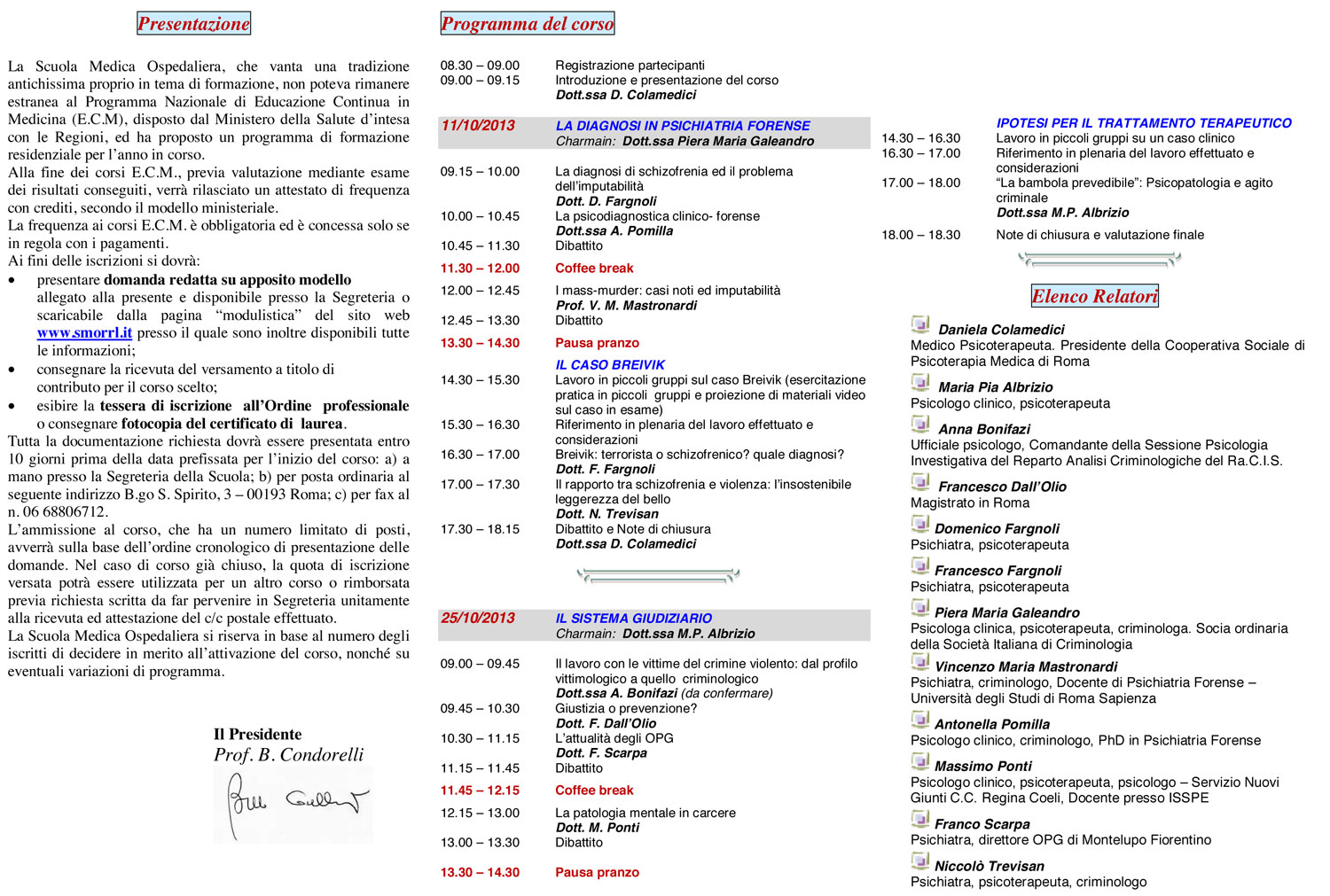
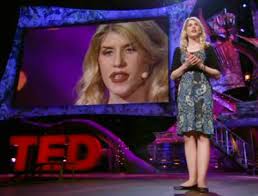




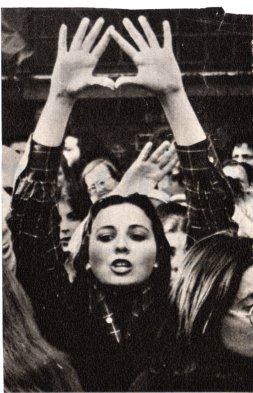



 La cura non ha prezzo
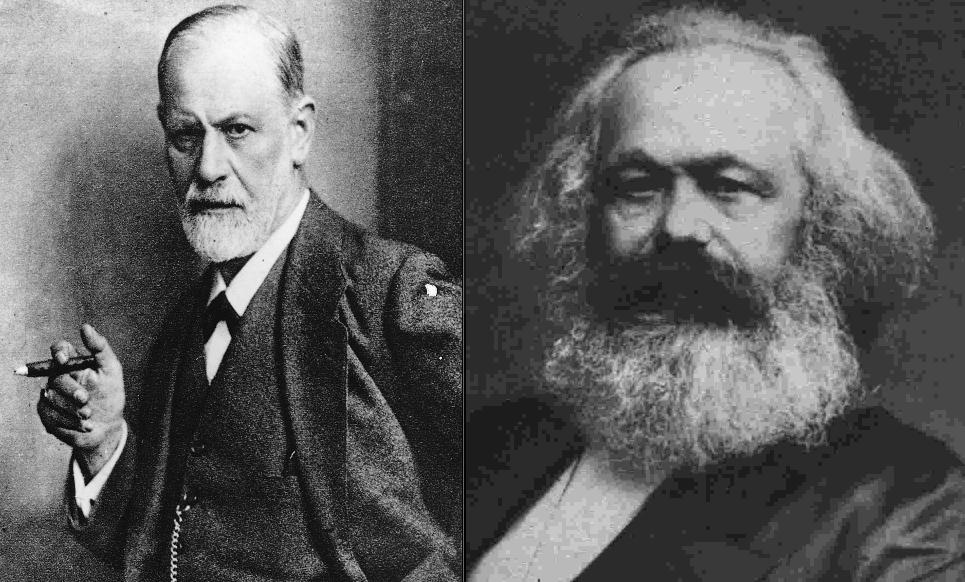

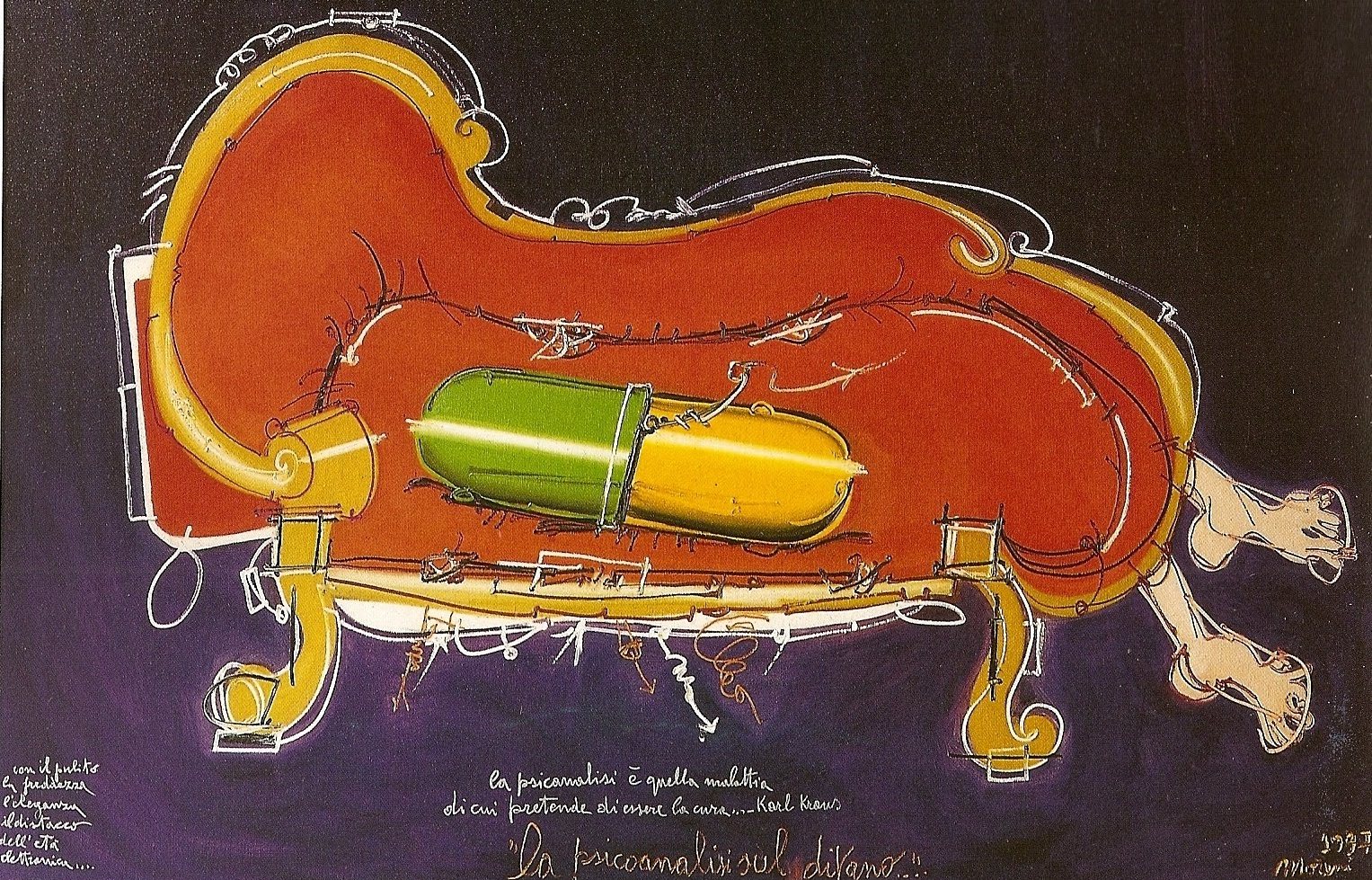



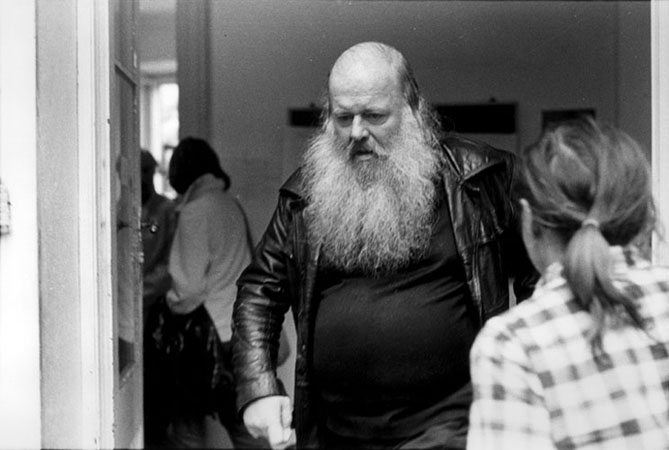
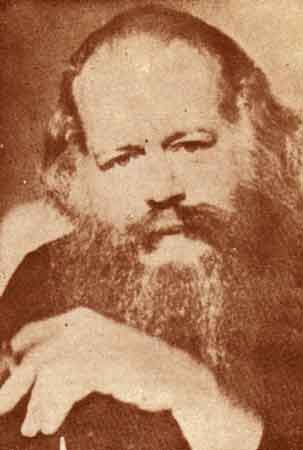

 When I returned to England in 1978 as a qualified physician I embarked on a course of studies with the Philadelphia Association and, at the same time, completed my psychiatric training. I got in the habit of visiting David once a year, and although I enjoyed seeing him very much, I knew little, in detail, of his last years in France. In the first few years he completed the manuscript he’d been working on when I left him. This was eventually published as The Language of Madness.It was a refreshing and most readable book and reflected the new experiences and thoughts he’d had while living on the continent. It seemed that he’d moved on dialectically from ‘anti-psychiatry’ to what he called ‘non-psychiatry’. In addition, he taught for a while at the University of Vincennes. He gave seminars, wrote articles and pamphlets, and introductions to other people’s books. He continued his activity in the International Network, and attended their annual meetings. For the past six years, he and Marine had been involved in a research project looking into the health needs of people in France, Italy and North Africa. His next book, which he was working on with Marine just prior to his death, was to incorporate the results of their investigations, as well as new developments in his own thinking during that time. As well, several years ago, along with Jacques Derrida, and several others, he helped set up The International College of Philosophy. I remember meeting David in Brussels in May/82 at a meeting of the International Network (it was as a result of this meeting that The British Network of Alternatives to Psychiatry was formed). It seemed to me, at that time, that France suited his consciousness much more so than England,although he commented to me that the problem with Paris was that it had too many artists and too many intellectuals. But, ironically enough, his own prodigious mind required that sort of soil. Each year I would watch his library grow, and, at the end, the small flat was literally walled with books. As much as he hated to admit it, David was himself a First World intellectual. And again, ironically, France seemed to have tempered his political outlook. The revolutionary rhetoric of the 60’s and early 70’s gradually evanesced (before this his letters would usually begin ‘Dear Beast’ and end ‘For Love and Revolutions’), and he spoke, in his last years, in a much more moderate way of practical reforms and concrete situations or work.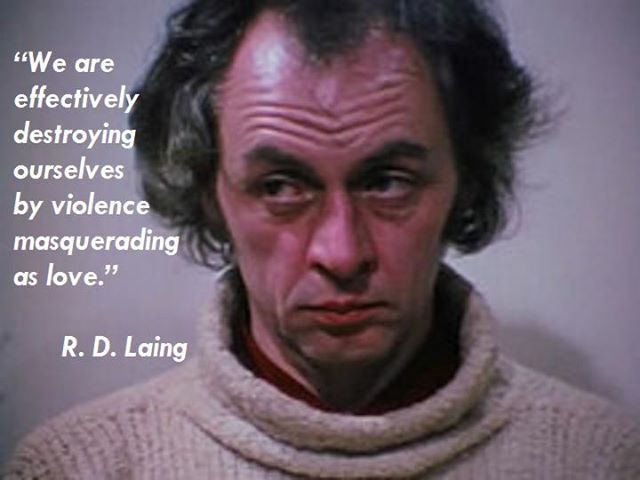

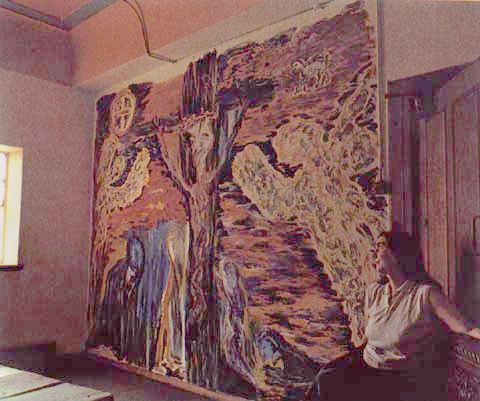
 Si è tenuto a Roma il 30/11/2012 e il 1/12/2012 un convegno organizzato dall’ARPCI (Scuola di Specializzazione e Formazione in Psicoterapia Cognitivo-Interpersonale), dal titolo “Attualità del pensiero di Basaglia”, che ha visto la partecipazione di eminenti psichiatri per la maggior parte affluenti nell’area storica di “Psichiatria democratica”, continuatori del pensiero basagliano. Ottimo convegno, ben organizzato anche nel numero contenuto che ha consentito di respirare un’atmosfera gradevole e familiare. In una delle tante relazioni è stato citato il nome di Jervis accennando in modo solo tangenziale ad alcuni dissidi e divergenze con lo stesso Basaglia che, con la pubblicazione de “ Il buon rieducatore” di Jervis, hanno segnato il definitivo distacco. Alla fine degli interventi prendo la parola, presentandomi innanzitutto come uno psicoterapeuta che aveva avuto dei rapporti di supervisione quasi ventennali con Jervis e che nelle discussioni avute sull’argomento dopo la pubblicazione del suo penultimo libro “La razionalità negata” scritto in collaborazione con Corbelllini, oltre alla polemica psichiatria-antipsichiatria, emergeva anche una figura di Basaglia in realtà poco democratica, piuttosto accentratrice e autoritaria, incapace negli ultimi anni di gestire una “notorietà” che forse lui stesso non s’aspettava; pur riconoscendo allo stesso Basaglia lo spirito di una mente illuminata che aveva dato vita ad una grande e importante riforma della psichiatria del tempo.
 L’ultimo capitolo de ”Il buon rieducatore” s’intitola il “Mito dell’antipschiatria”. Qui sono già evidenti le “differenze” con la cosiddetta antipsichiatria da cui Jervis intende prendere le distanze, non solo dal punto di vista tecnico-scientifico, ma più profondamente dal punto di vista politico. Vediamo cosa scrive in proposito:
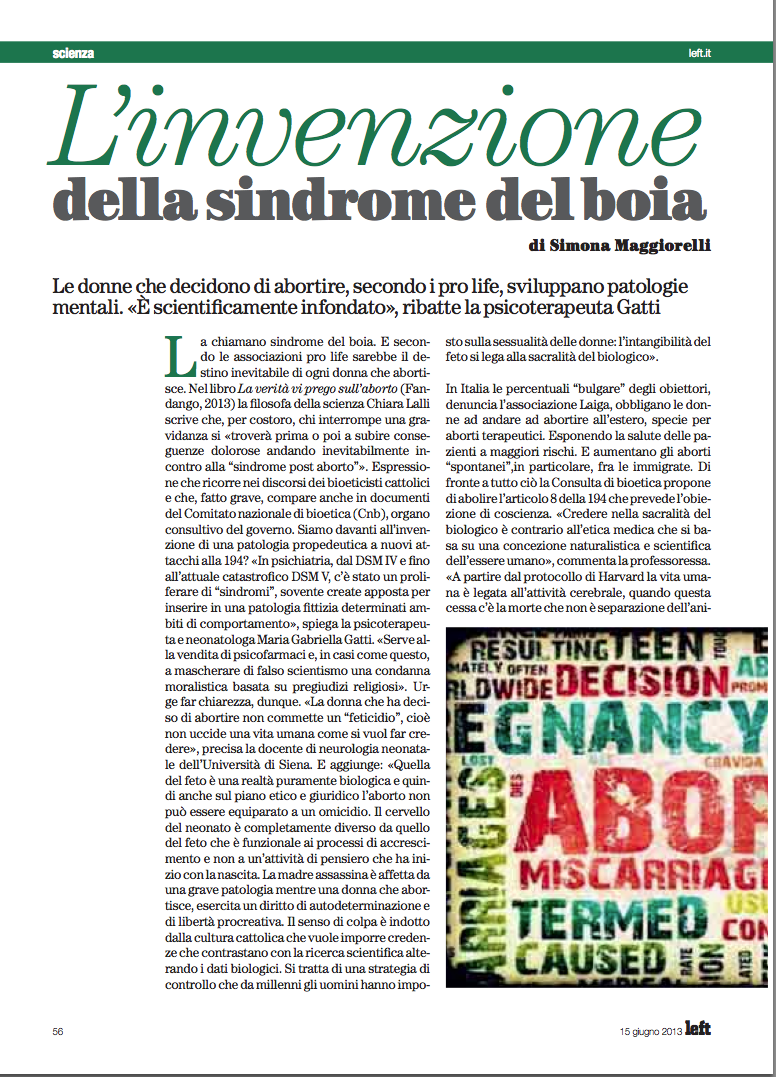
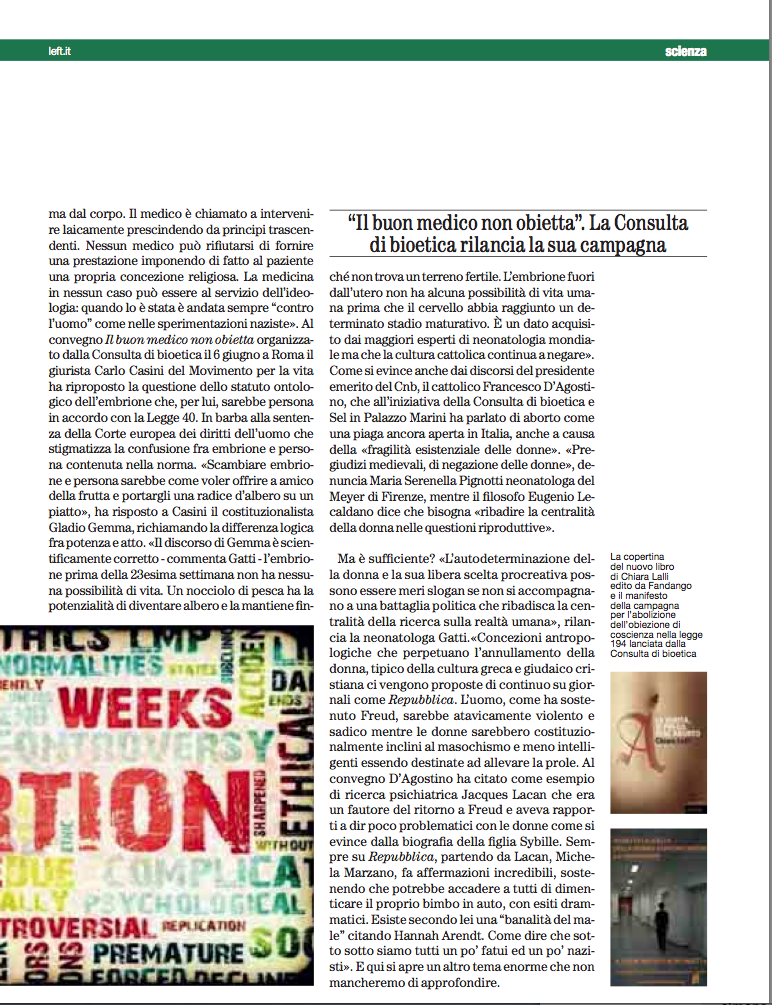




 Psichiatria. Mencacci (Sip): “Solo un omicidio su venti è causato da malattie mentali


 a
a Per “Femminicidio”si intende la violenza degli uomini nei confronti delle donne a qualunque livello essa agisca , fisico, psicologico, istituzionale. Le storie si assomigliano : dietro quello che inizialmente sembrava un rapporto d”amore” si fa strada un’”attrazione” intrisa di odio e confusione, che spesso sconfina, nonostante le denunce, nell’assassinio. La colpa della donna è, quasi sempre , la rivendicazione di autonomia. Cifre alla mano, sappiamo che è in atto una “femminilizzazione “ dell’omicidio: è donna un terzo delle vittime come si evince da uno studio dell’ EURES in collaborazione con l’Ansa che riguarda il periodo 2000-2011. L’iter attraverso cui si arriva al delitto è una spirale ingravescente di minacce, percosse , umiliazioni fino all’esito finale spesso annunciato ma rispetto a quale raramente vengono poste in atto efficaci misure preventive dalle forze dell’ordine.
 Den Pauline tradition i den katolska kyrkan har fördömt det kvinnliga könet. Orsaker alltid psykopatologiska och ofta bakom kulturella kvinnomord.
 Som en del av ateistiska rationalism idén om kvinnor inte har varit mycket bättre än i kristendomen. Karl Marx med hans idé om att människan är den som genom arbete producerar medel för sin försörjning och skiljer sig från djuren, i själva verket upphävde de kvinnor (och barn) att sådana medel inte producerar för materiella skäl och historia. Den stora Marx dödar barnet och kvinnan säger Massimo Fagioli i “Kvinna, barn och omvandling av människan” (The Golden Ass förlaget).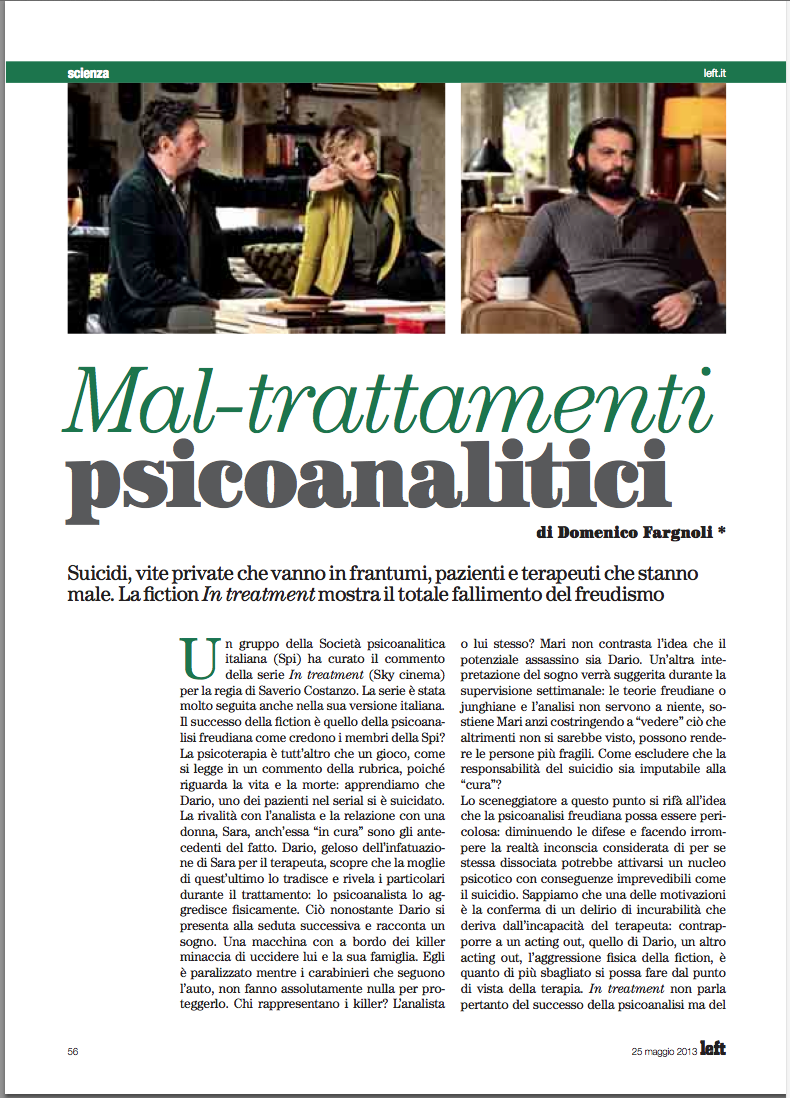
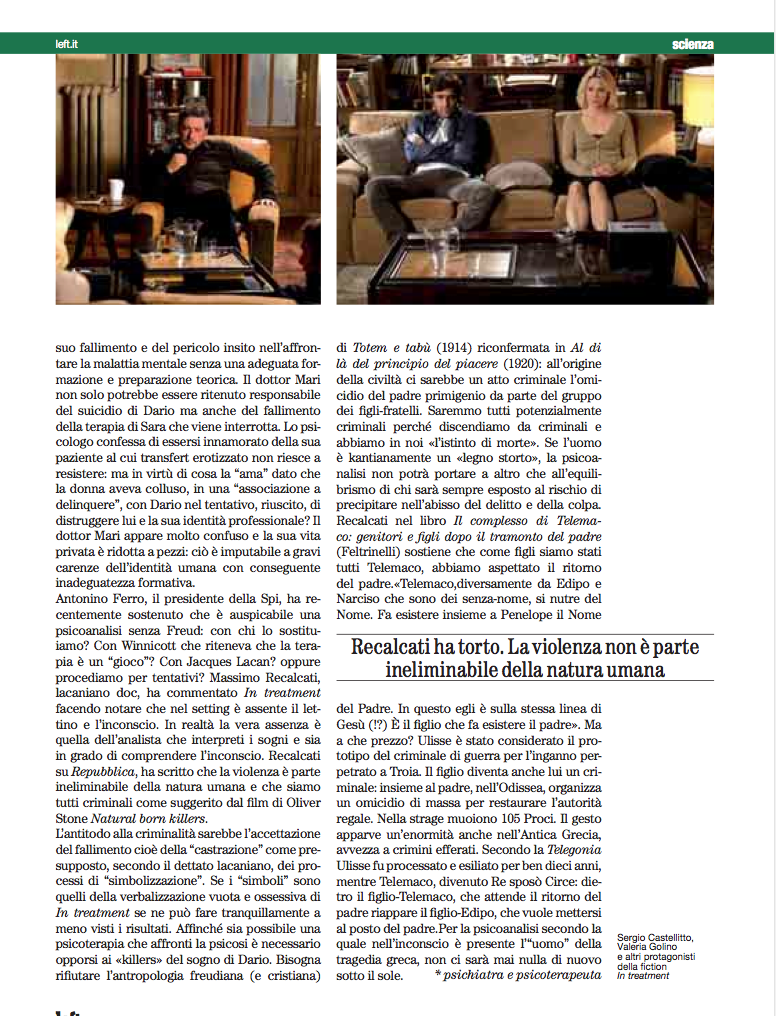



1