Politica, Psichiatria

Andrea Zampi e la politica: un elettroshock per l’Italia

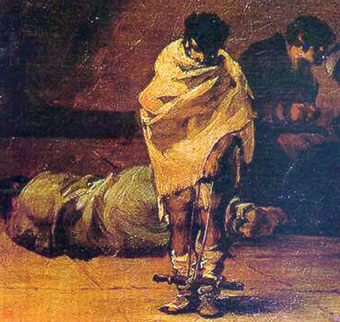
l43-elettroshock-120711163206_big

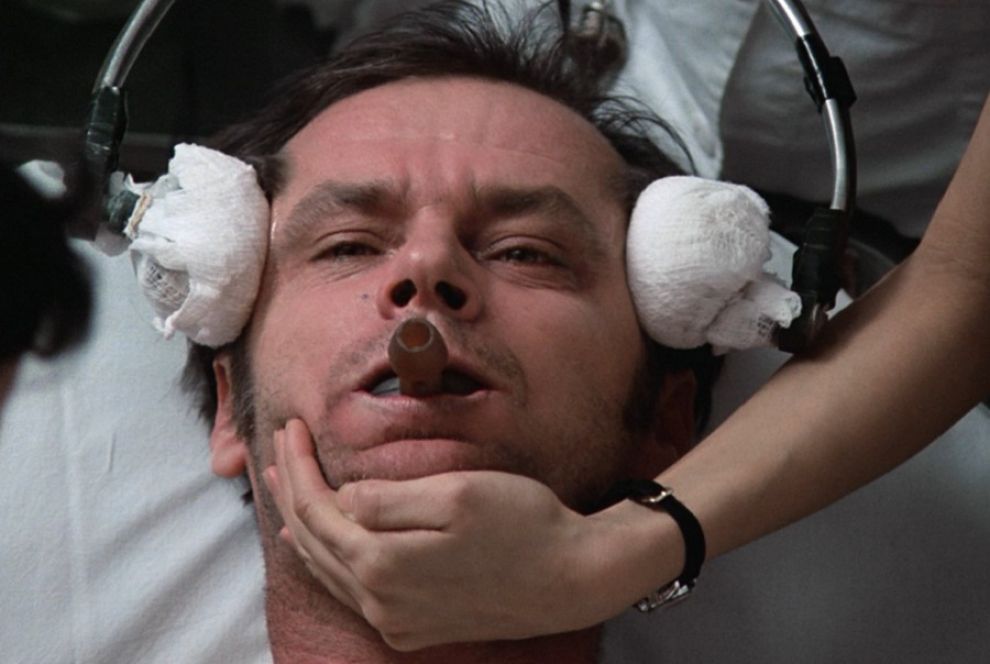
One Flew Over the Cuckoo’s Nest (1975) con Jack Nicholson


Schermata 03-2456363 alle 09.41.38Domenico Fargnoli

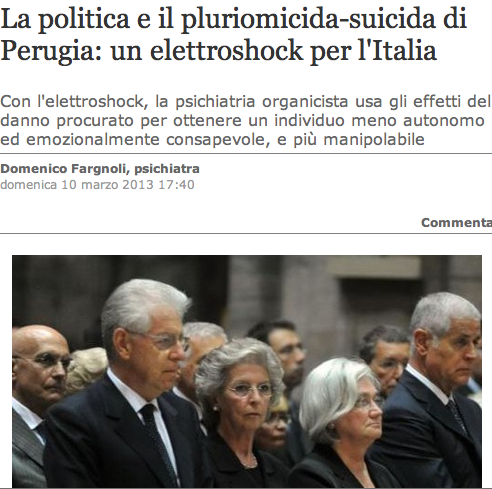
Nella stampa si legge che Andrea Zampi,  l’imprenditore pluriomicida  e suicida umbro, aveva dato segni di grave “squilibrio” mentale. Per ben due volte , riferisce la madre  era stato sottoposto a  “stimolazioni al cervello”. Luigi Cancrini intervistato ad UNO MATTINA il giorno 7/03/2013 ha sostenuto  la necessità che l’intervento psichiatrico risponda ad un criterio psicoterapico abbia cioè un carattere di continuità, di coerenza, di fiducia . Ora nel caso Zampi sembra che la terapia sia stata discontinua ed incoerente: il ricorso all’elettroshock avrebbe inoltre minato irrimediabilmente il rapporto di fiducia medico paziente condannando quest’ultimo  ad agire un vissuto di incurabilità.

Si è parlato molto del fatto che il suicidio, come quello di David Rossi, uno dei principali collaboratori di Mussari nel MPS di  Siena o l’omicidio suicidio come quello di Zampi sarebbero  maturati nell’ambito   della situazione attuale : la crisi economico sociale,il dissesto finanziario andrebbe a sovrapporsi, come causa concomitante,  ad  una  patologia preesistente sfociando in tragedie.

Gli psichiatri non sono in grado a quanto pare di affrontare e risolvere la psicopatologia personale mentre i politici sono assolutamente impotenti ad arginare le problematiche economico sociali. Il risultato  ,devastante ,  viene amplificato in modo sensazionalistico dalla stampa cosicchè si addiviene ad una sorta di isteria collettiva che nasconde il vero senso degli eventi.

Spesso politici e psichiatri colludono nel riaffermare l’incurabilità della malattia mentale, intesa come incapacità del medico di curare ciò che è in linea di principio curabile,  che poi si traduce  in un’ idea  che ha delle ripercussioni anche ben oltre lo specifico della psichiatria:  si stabilisce  uno strano parallelismo, tutto da indagare, con l’ impotenza dell’azione politica che  interessa la  società nel suo complesso.  L’impossibilità di effettuare la  cura della malattia mentale si lega alla concezione, tipicamente cattolica,  che quest’ultima sia una malattia del cervello: l’anima spirituale, come affermato da Massimo Fagioli, in Bambino donna e trasformazione dell’uomo (1980) essendo di natura divina è sempre sana. L’anima può solo subire le perturbazioni prodotte dal cervello che si  ammala .Contro il tessuto cerebrale   si accanisce allora la psichiatria con gli psicofarmaci e l’elettroshock. Ritorna la concezione platonica del soma-sema per cui lo spirito  andrebbe liberato dalla prigione di un cervello e di un corpo malato a costo di danneggiarlo. A suo tempo si bruciava il corpo degli eretici per salvarne l’anima.

Rosy Bindi, nota esponente del PD di matrice cattolica, nel 1996 ha firmato un decreto con il quale si legittimava l’uso della cosidetta TEC ( terapia elettroconvulsivante) quella cui è stato sottoposto anche Andrea Zampi. Il Comitato Nazionale di Bioetica espresse  in quell’occasione, il suo parere ritenendo   che “non vi erano motivazioni tali da suggerire come comportamento bioeticamente vincolante la sospensione totale e generalizzata dell’uso della “TEC” e considerava anzi la “TEC” un trattamento elettivo ed adeguato per alcune specifiche patologie”. Nel decreto del 96  si sosteneva inoltre che

<<(…)in Psichiatria vi è una accreditata letteratura che partendo da una profonda attenzione per la personalità o la dignità del paziente, ritiene che la TEC costituisca uno strumento terapeutico, talora indispensabile, per la riduzione della sofferenza dell’individuo se riferita a quadri clinici ben definiti(…)>>

Va ricordato, come afferma una denuncia dell’Associazione Luca Coscioni  che negli ospedali italiani si ricorre, in virtù del decreto , all’elettroshock. Nel triennio, solo per fare un esempio,  2008-2010 sono stati eseguiti più di 1400 trattamenti.

M. Fink, uno psichiatra statunitense che ha fatto parte della Task Force dell ‘APA (American psychiatric Association) , fin dagli anni 50 del secolo scorso ha dimostrato con una serie di lavori che il cosidetto effetto “terapeutico” della TEC altro non sarebbe che il risultato di una disfunzione e di un danno cerebrale. Le modificazioni  riscontrate nel liquido cerebrospinale e nell’ EEG  dopo la TEC erano simili secondo lo scienziato, a quelle prodotte da un trauma craniocerebrale piuttosto che a quelle determinate da una epilessia spontanea. Altri studiosi intorno agli anni 90 hanno sostenuto che la risposta “terapeutica” nella TEC era proporzionale alla dose di elettricità somministrata cioè all’entità del danno e della disfunzione provocata.  La TEC fornisce un chiaro esempio di come lo psichiatra, annullando la circostanza per la quale egli sta procurando un danno al paziente, utilizza gli effetti del danno per ottenere un individuo  meno emozionalmente consapevole, meno autonomo e più manipolabile. I pazienti dal canto loro vanno incontro alla cosidetta “agnosognosia”  tendono cioè a negare o minimizzare la perdità di capacità affettivo-emozionali e cognitive. Il medico danneggia il paziente in modo tale da confonderlo e rendere impossibile la percezione del danno subito.

La strategia era già stata sperimentata, nella sua variante psicologica,  dai sacerdoti    cattolici a partire dalla Controiforma: il prete dopo aver esercitato una violenza sessuale nel confessionale assolveva la vittima così da rendere non più esistente  e quindi comunicabile ad altri, il peccato.

Rosy Bindi ha in comune con Monti, ma anche con Vendola (non dimentichiamolo)  la fede  e l’ideologia cattolica.

Rosy Bindi ha  colluso con la psichiatria organicista nel ritenere incurabile la malattia mentale e si è resa  complice di un danno iatrogeno di proporzioni gigantesche mentre Monti è stato più coerente: ha fatto un vero e proprio TEC , che si è aggiunto a tutti quelli fatti precedentemente  da ventanni di berlusconismo,  all’Italia danneggiandone il corpo sociale ed economico. Vendola aspirerebbe  a produrre dei danni a parte quelli che ha perpetrato nei confronti della regione Puglia ( vedi la connivenza con il S.Raffaele di Milano solo per dirne una).

Il risultato è stato un disorientamento generalizzato, una perdita di memoria a breve ed a lungo termine,  come nell’elettroshock,  che ha consentito una parziale affermazione di Berlusconi, al di là di conclamate menzogne e promesse non mantenute. La protesta del movimento 5stelle appare inoltre , nella fase attuale estremamente confusa, priva di una progettualità politica concreta : nella sua inconsitenza , per non dire teatralità manierata si esprime un vuoto mentale, un deficit  che è un sintomo negativo cioè  il frutto  residuale di tutte le terapie indaguate  e quindi traumatiche , praticate dalla politica nei confronti della malattia del sistema Italia.

Standard
Psichiatria

I media, con il sensazionalismo, favoriscono l’imitazione di gesti criminali.The media, with sensationalism, promote the imitation of criminal acts

Aristotele riteneva, come afferma nella “Poetica” che la tendenza imitativa fosse non solo connaturata nell’essere umano ma che potesse spiegare anche l’attitudine artistica e poetica. Questa idea è stata variamente ripresa nel corso della storia: verso la fine dell’ottocento si pensò che alla base del contagio emotivo che caratterizzava le folle ci fosse proprio il fenomeno dell’imitazione che la psichiatria veniva scoprendo essere fondamentale nelle manifestazioni dell’isteria. Eugen Breuler che nel 1913 coniò il termine schizofrenia sostenne che in quest’ultima si possono ritrovare tutti i i sintomi, e quindi tutte le caratteristiche dell’isteria.  << Nessun sintomo isterico o nevrastenico è estraneo alla schizofrenia-scriveva->>E’ chiaro comunque che schizofrenia ed isteria sono due malattie diverse sia per gravità sia per la natura del nucleo generatore sul piano della psicopatologia. Nello schizofrenico c’è una grave perdita del senso di identità e dell’immagine personale dovuta alla pulsione di annullamento che determina una mutazione terrifica nel rapporto con l’intero mondo. Le tematiche dell’isteria classicamente sono state per lo più circoscritte all’ambito della sessualità e quindi limitate a dinamiche di negazione ed a fenomeni di conversione. Anche se rimane vexata questio se i primi casi di isteria descritti a cavallo fra otto e novecento non fossero in realtà delle forme di schizofrenia.
Quando parliamo di induzione da parte dei media , in cerca di reportage sensazionali, di comportamenti criminali come quello del mass shooting alludiamo ad una forma di contagio che quindi potrebbe avere caratteristiche isteriche essendo basato sul’imitazione.
Ciò non contraddice il fatto che molti shooters sono soggetti schizofrenici in cui tematiche più prettamente schizofreniche possono convivere o sottostare ad una sintomatologia di tipi isterico. In ossequio ad uno dei criteri diagnostici fondamentali di Jaspers possiamo dire comunque che quando isteria e schizofrenia coesistono la diagnosi sarà legata al livello psicopatologico più grave.
Non bisogna commettere l’errore di scambiare il manierismo schizofrenico con l’imitazione.
Nel manierismo c’è una totale anaffettività ed una teatralità assurda e vuota che non ha una finalità comunicativa e di rapporto che è invece presente, anche se a livelli più o meno superficiali nell’imitazione.

Recentemente nel libro “So quello che fai” (2006) Giacomo Rizzolati e Corrado Sinigaglia hanno proposto una nuova teoria dell’imitazione : essi sostengono che alla base dei processi imitativi ci sarebbe il sistema dei neuroni specchio. A parte la discussione nel mondo delle neuroscienze relativa al fatto se tale sistema sia presente o meno nell’uomo, è tutto da discutere se l’apprendimento di patterns motori e comunicativi nuovi si possa intendere come “imitazione”.
La formazione delle immagine interiori , oniriche e non oniriche ha una grande importanza nella comunicazione preverbale nel primo anno di vita, e difficilmente può essere considerata semplicemente come imitazione, in quanto in essa è presente la fantasia vale a dire un elemento di elaborazione e di ricreazione personale .
Molto speculative sono anche le tesi che cercano di spiegare un fenomeno complesso come l’autismo con un funzionamento deficitario dei neuroni- specchio che dovrebbero consentire l’empatia e la condivisione di emozioni.

Aristotle believed, as stated in the “Poetics” that the imitative tendency was not only inherent in the human being, but that could also explain the attitude of artistic and poetic. This idea has been variously taken up in the story: towards the end of the nineteenth century it was thought that the basis of emotional contagion that characterized the crowds was just the phenomenon of imitation that psychiatry was discovered to be fundamental in the manifestations of hysteria. Eugen Breuler who in 1913 coined the term schizophrenia argued that the latter can be found in all  symptoms, and then all the features of hysteria.<<No  neurasthenic or hysterical symptom is unrelated to schizophrenia-wrote->It is clear, however, that schizophrenia and hysteria are two different diseases both by gravity and the nature of the core generator on the plane of psychopathology. In schizophrenia there is a severe loss of the sense of personal identity and image due to the drive of cancellation, resulting in a terrifying mutation in relationship to the whole world. The themes of hysteria are classically been mostly confined to the field of sexuality and therefore limited to the dynamics of denial and conversion phenomena. Although it remains “vexata questio” if the first cases of hysteria described somewhere between eighteenth and nineteenth century  were  not in fact forms of schizophrenia.When we speak of induction by the media in search of sensational reports of criminal behavior such as the mass shootings  we allude to a form of infection, which might have characteristics based on imitation  being hysterical.This does not contradict the fact that many shooters are schizophrenics in which issues more typically schizophrenic can live or undergo a kind of hysterical symptoms. In accordance with one of the basic diagnostic criteria of Jaspers we can say, however, that when hysteria and schizophrenia coexist diagnosis will be linked to more severe psychopathological level.We must not make the mistake of mannerism schizophrenic with imitation.In Mannerism there is a total loss of affection  and a theatricality absurd and empty that does not have a purpose or intention of communication  or relationship that  is instead present, although at levels more or less superficial in imitating.

Recently in the book “I know what you are doing” (2006)  Corrado Sinigaglia  and Giacomo Rizzolati have proposed a new theory of imitation: they argue that the basis of imitative processes there would be a mirror neuron system. Apart from the discussion in the world of neuroscience as to whether such a system is present or not in humans, is a different story if the learning of new motor patterns and communication can be understood as “imitation.”
The formation of the inner image, dream and not dream of great importance in the preverbal communication in the first year of life,  can hardly be regarded simply as an imitation, since it is present in the fantasy that is a processing and recreation staff.
Are also highly speculative thesis that attempt to explain a complex phenomenon such as autism with a functioning mirror neuron deficit, which should allow empathy and sharing emotions.

Tom Chivers is the Telegraph’s assistant comment editor. He writes mainly on science. Not a poet – that’s the other Tom Chivers. Read older posts by Tom here.

Norway killings: does media coverage inspire copycats?

By Society Last updated: July 28th, 2011

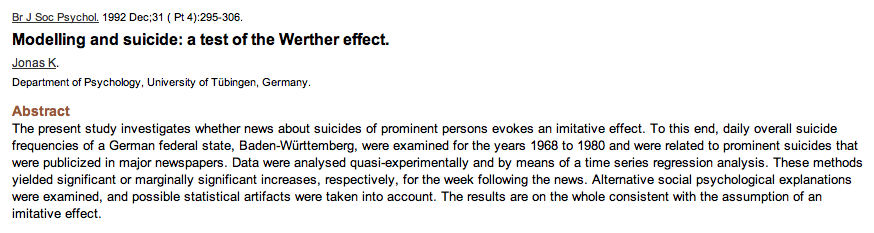
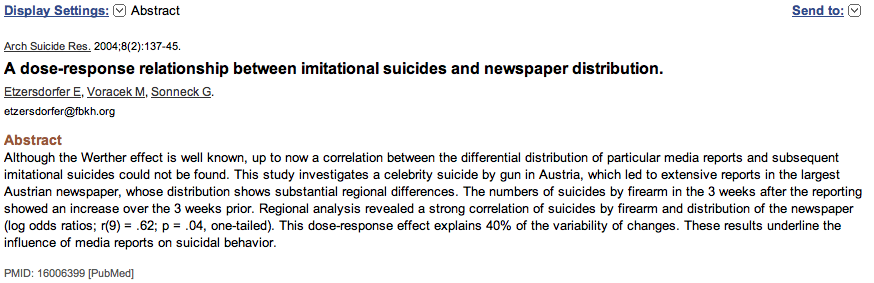
I’ve been liveblogging the horrifying events in Norway for the last few days. It’s been harrowing and deeply, deeply sad. A man – whether amadman or a coldly sane fanatic is not yet clear – has murdered 76 people, mostly teenagers, for the crime of living in a country that allows immigration. These events have presented something of a moral dilemma for me.Of course, we have to cover the news. And it would be remiss of us not to report the actions of the killer (I’m going to follow Charlie Brooker’s excellent example and not name him) who has perpetrated the worst act of terrorism on European soil since 2004. But the evidence seems to suggest that the more you cover these actions, the more likely it is that people will emulate them.A study in 2004 looked into the coverage of the suicide by gun of an Austrian celebrity. The largest Austrian newspaper, the Kronen Zeitung, sells widely in the eastern states of the country, but sells little in the west. It reported the suicide closely, while other newspapers gave it little attention. The study, by researchers at Furtbach Hospital for Psychiatry and Psychotherapy, found that the number of firearm suicides went up in the areas where the Kronen Zeitung sells well, but not in the areas where it does not.A more wide-ranging study in 2009, also in Austria, found again that wide reporting of suicides was linked to an increase in similar types of suicide. Another study in Germany found similar results, “consistent with the assumption of imitative effects”.That’s suicides, of course. Is there any evidence to suggest that the reporting of mass killings increases the likelihood of imitation attacks? Dr Park Deitz, a leading US criminal psychiatrist, says so – he famously lectured Newsnight on the need to reduce the sensationalism of coverage if they wanted to prevent copycat killings after the Winnenden, Germany secondary school massacre in 2009, in which 15 people were killed by a 17-year-old gunman.He told The Independent: “Here’s my hypothesis. Saturation-level news coverage of mass murder causes, on average, one more mass murder in the next two weeks. It’s not that the news coverage made the person paranoid, or armed, or suicidally depressed, but you’ve got to imagine this small number of people sitting at home, with guns on their lap and a hit list in their mind. They feel willing to die.”When they watch the coverage of a school shooting or a workplace mass murder, it only takes one or two of them to say – ‘that guy is just like me, that’s the solution to my problem, that’s what I’ll do tomorrow’. The point is that the media coverage moves them a little closer to the action. Is that causation? Legally, maybe not. Epidemiologically, yes.” But I’ve been unable to find research that backs his claim.That said, it seems reasonable to assume that there is a link between media coverage of a killing and the likelihood of copycats. Certainly in every other walk of life, that seems to be the case: people play more sport when that sport is televised, they buy more cigarettes when cigarettes are advertised.So what should news outlets do? I honestly don’t know. Should we simply not report major events? Obviously not. Should we assume a tone of constant denigration, calling the killer a loser and a failure, in the hope that it puts others off? Fine for opinion writers, not really okay in reporting.As I say, it’s a dilemma. We need to cover the news, but it is a horrible thought that we might be encouraging other deranged or evil individuals to kill. All, I think, that we can do is avoid sensationalism, as hard as that is to do in a story as – frankly – sensational as the Norwegian horrors. I hope I – we – have managed to do so.Schermata 03-2456357 alle 10.31.41Schermata 03-2456357 alle 10.45.50
Standard
Psichiatria

Violenza, psicofarmaci e complicità dei mass media

260813172

La guerra umanitaria è un falso ideologico


Schermata 02-2456345 alle 16.15.26

376787_389326921131618_1422656183_n I media sono complici di massacri

violenza

Gli psicofarmaci possono indurre comportamenti violenti

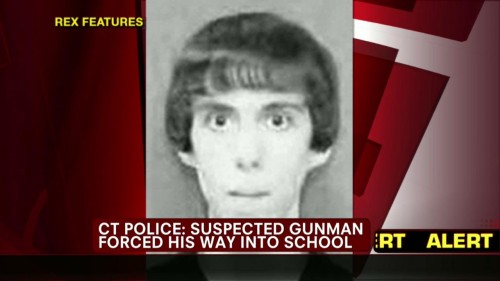
Adam Lanza autore della strage in una scuola elementare  a Newtown nel Connecitucut il 14 dicembre 2012, sarebbe stato in diretta competizione  con Anders Breivik il mass murderer norvegese autore nel luglio del 2011 della strage di giovani nell’isola di Utoya. E’ quanto riferisce l’emittente  CBS sulla base di fonti rimaste anonime. La notizia, secondo il portavoce del polizia del Connecticut, sarebbe puramente speculativa. In realtà , indipendentemente da fatti che provino la validità dell’ipotesi emulativa ,  sono riscontrabili negli innumerevoli episodi di mass shooting commentati  nei media  di tutto il mondo,  dei tratti comuni, individuati anche in studi  di psichiatria forense, che fanno pensare ad una componente “imitativa”.

Molti dei soggetti, autori di stragi ai danni di individui inermi e quindi  bersagli ideali, hanno dei profili psicologici compatibili con  una diagnosi di schizofrenia come nel caso di Breivik  e di Lanza. Ora che uno schizofrenico imiti un altro schizofrenico o che un gruppo di schizofrenici possa creare uno stile particolare e riconoscibile di omicidio di massa , mette in discussione conoscenze  psichiatriche che sembravano acquisite. Noi sappiamo che il termine schizofrenia fu coniato da Eugen Bleuler  nel 1913 il quale , ispirandosi, a Freud ritenne che le persone affette da questa malattia vivessero in un mondo a parte perdendo la capacità di condividere con altri esseri umani  affetti, valori ed obiettivi. Lo schizofrenico sarebbe stato simile ad un anacoreta  per  ritiro progressivo dalla società. Bisogna ricordare che Freud, che non ha mai avuto in carico  uno schizofrenico da lui riconosciuto come tale, riteneva che nella psicosi  ci fosse una incapacità assoluta di stabilire un transfert  o  vivere una risonanza empatica con chicchessia  per effetto della regressione che avrebbe riattivato una condizione di isolamento , cioè  di narcissimo assoluto simile a quello del neonato. Questa idea rivelatasi poi completamente falsa  sia alla luce della ricerca psichiatrica successiva che degli sviluppi della neonatologia, ha escluso le forme schizofreniche dal trattamento analitico  classico ritenuto inadatto se non addirittura pericoloso per le forme di schizofrenia latente.

Ora se Lanza , come anche il professore universitario che, recentemente,  in Polonia voleva fare un attentato al parlamento con una potentissima bomba, ha imitato Breivik, com’è verosimile pensare , e se  quest’ultimo ha tratto a sua volta ispirazione dall’Una bomber americano, il matematico  che uccideva per fare propaganda al suo libro-Manifesto, e se altri hanno perseguito strategie criminali analoghe, noi saremmo di fronte  al fatto che gli schizofrenici si influenzano ed entrano in risonanza gli uni con gli altri determinando   addirittura uno stile criminale , sfidandosi sullo stesso terreno come in un videogioco on line.

Che cosa dobbiamo concludere? che siamo di fronte ad una evoluzione  nel modo di manifestarsi della schizofrenia a cui deve far seguito un adeguamento delle nostre categorie psicopatologiche e diagnostiche?

schreber2

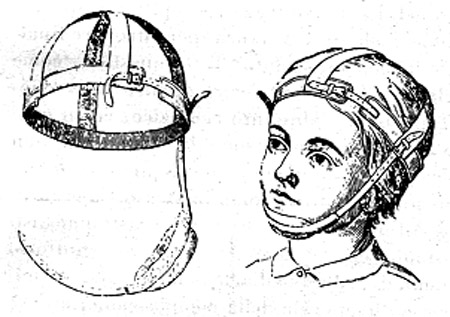
invenzione perversa del padre di Daniel Schreber

Che ne sarà allora delle concezioni organicistiche che sostengono la “naturalità” della malattia mentale legata a cause biologiche e genetiche? Il diabete dal tempi di Ippocrate ad oggi non è molto cambiato mentre sembra difficile  pensare ad una schizofrenia che attraversi le epoche e le culture  mostrando  dei tratti immodificabili come quelli del diabete . Il  famoso presidente Schreber, il giudice affetto da schizofrenia paranoide, pubblicò nel 1903 Memorie di un malato di nervi che sono state un materiale  di riflessione per i tutti i più importanti psichiatri e psicoanalisti del 900 come lo stesso Freud , Jung, Melanie Klein e Jacques Lacan. Del caso Schreber ha dato una originale e magistrale  interpretazione Massimo Fagioli nel suo libro Teoria della nascita e castrazione umana la cui prima edizione risale al 1974: la psicosi con caratteristiche allucinatorie e deliranti  si sarebbe sviluppata  a partire dall’incapacità  del tedesco di distinguere, nel passaggio dal sonno alla veglia le immagini mentali dalle percezioni reali. La malattia di Schereber  avrebbe dovuto  essere la stessa di quella che ha colpito  Lanza o Breivik che secondo la prima coppia di periti psichiatri intervenuti  al processo per la strage di Utoya avrebbe agito in preda ad allucinazioni  e deliri di grandezza e persecuzione.Ma fra  la biografia e gli scritti di Schreber che non ha mai fatto male ad una mosca, salvo disturbare i vicini con urla disumane,  e per esempio quelli  di  Breivik , ben 1500 pagine di copia-incolla propedeutiche alla strage, c’è un vero e proprio abisso.

Si potrebbe approfondire la ricerca su quello strano fenomeno che è il mass shooting seguendo una fondamentale indicazione di Fagioli stesso quando egli afferma che se è vero che esiste un’entità nosografica che fa capo al termine schizofrenia è altresì vero che esistono gli schizofrenici. Come dire che nell’ambito di tratti psicopatologici comuni è necessario in ciascuna malattia individuarne la singolarità: ci sono elementi caratteristici presenti in alcuni casi se non addirittura presenti in un solo  caso. E’ per questo che il DSM IV  (fra poco  V ), il più famoso ed utilizzato manuale diagnostico, è inutilizzabile   poichè non garantisce  la veridicità della diagnosi :vengono proposti  criteri generici   e descrittivi rilevabilii anche da un computer, che non permettono  di individuare il nucleo psicopatologico nascosto  della malattia  che si manifesta diversamente  in ciascun caso.

HeideggerDerAlemanne

L’influenza culturale della schizofrenia di Martin Heidegger

L’omicidio di massa, nello stile  detto pseudocommando,  è  una modalità di agire  criminale emerso in forma quasi epidemica  da pochi decenni prevalentemente negli USA. Verso di esso per una concomitanza di fattori ambientali e personali,  possono orientarsi persone  con gravi patologie psicotiche  ed alterazione profonda del senso di identità. Alcuni mass murderers hanno fatto  scuola diventando i capostipiti di una tendenza  e tracciando  un percorso  che altri hanno seguito . Uno studioso americano  Louis A. Sass, autore del libro Madness and Modernism: Insanity in the Light of Modern Art, Literature and Thought( 1994) ha sostenuto che  pochi individui affetti da patologie più o meno manifestamente schizofreniche hanno avuto una grande importanza   non solo sul    terreno della psicopatologia e  dell’agire criminale, quanto  nel campo  dell’arte o della filosofia introducendo temi ed atteggiamenti che poi si sono largamenti diffusi. In effetti nell’arte moderna e postmoderna  e nella filosofia di derivazione esistenzialista sono ampiamente presenti  tematiche “schizofreniformi” evidenti nella stranezza  dei contenuti e nell’ipertrofizzazione della coscienza, fredda e lucida   che li produce. Il vissuto schizofrenico secondo la studioso americano non tenderebbe  a rimanere monadicamente chiuso in se stesso, come sembra  suggerire  il termine autismo nell’accezione originaria di  Bleuer,  ma avrebbe una risonanza  profonda nell’opinione pubblica e nella cultura  come è accaduto per la filosofia di Heidegger.Il paradigma della schizofrenia non è più solo  l’introversione ed il deterioramento mentale ma anche  l’estroversione  e l’azione.

Qual è  è la   lunghezza d’onda  sulla quale si sintonizzano i mass murderers con i loro potenziali proseliti ed imitatori ? Questi ultimi, individui anaffettivi ed insensibili ai normali stimoli sociali, reagiscono con un comportamento imitativo rispetto al modello mass shooting. Siamo di fronte ad  un vero e proprio processo di infezione psichica  e di induzione  all’acting out violento contro la quale alcuni non hanno capacità di resistere. Il punto di vulnerabilità  è quella che gli  psicopatologi del secolo scorso chiamavano una frattura nella linea della vita cioè un vissuto di  totale annullamento del rapporto interumano e di vuoto interiore in un contesto sociale e culturale in cui predomina  l’ideologia della guerra: si esalta l’azione eroica ed il ricorso alle armi, sacrificando   il valore della vita umana al criterio dell’utilità personale e dell’affermazione megalomanica .

quarto-potere

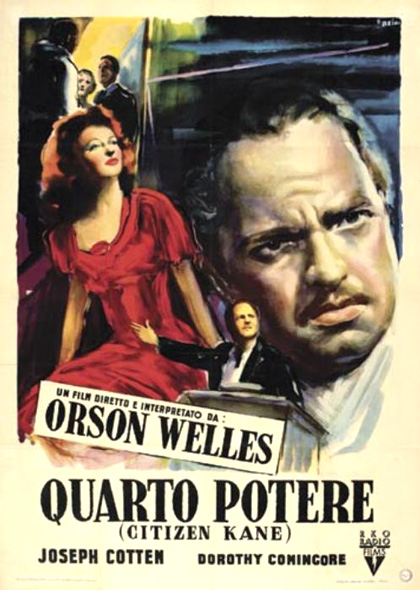
La perversione del denaro ed i mass media

Il quadro di questa nuova psicopatologia non sarebbe completo se noi non includessimo un fattore iatrogeno:  l’uso e l’abuso  di sostanze psicotrope, sostenuto dalla psichiatria organicistica al servizio delle case farmaceutiche,  un vera e proprio miccia per  eventi  violenti e catastrofici.

Sia Adam Lanza che Breivik hanno agito sotto l’influenza di droghe psicotrope e psicofarmaci che è risaputo possono, in persone predisposte, avere l’effetto di un innesco detonante per condotte di omicidio-suicidio. La scelta della strage, invece dell’omicidio singolo, potrebbe essere motivata dall’effetto di amplificazione della notizia che i mass media  perversamente garantiscono a chi commette crimini particolarmente efferati: per un momento di notorietà e di esposizione pubblica  si è disposti  allora a sacrificare centinaia di vite umane.

Standard
Psichiatria, Senza categoria

La cella di Breivik e l’assurdità della pena

udienza-conclusiva-breivik-300x225


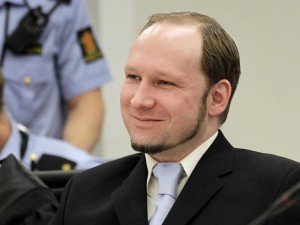
Schermata 02-2456332 alle 10.39.45 Schermata 02-2456332 alle 10.40.19Breivik è convinto che  nei suoi confronti nel regime detentivo a cui è  sottoposto , ci sia una violazione dei diritti umani: egli sarebbe costretto in condizioni di invivibiilità  essendo sottoposto a vere e proprie  torture per indurlo al suicidio A parte la paradossalità di una dichiarazione del genere fatta da lui che non ha mai provato pietà per le sue vittime   ed a parte le immagini della sua cella che parlano da sole a proposito del trattamento disumano cui verrebbe sottoposto, rimane il fatto che un malato di mente gravissimo non deve stare in carcere ma in una clinica psichiatrica. Il regime di isolamento assoluto è una sofferenza inutile che viene inflitta solo a scopo di ritorsione o di punizione ad un soggetto affetto da  schizofrenia  e delirio di persecuzione. Occhio per occhio dente per dente non è certo un criterio che si addice a chi pratichi la psichiatria. Ora i periti che  hanno  dichiarato sano di mente Breivik ritenendolo  idoneo a sostenere un regime di detenzione e di isolamento che di fatto aggrava la sua patologia mentale non solo  hanno infangato  la già precaria reputazione della psichiatria  con una diagnosi ridicola, ma sono responsabili di un vero e proprio danno iatrogeno perpetrato  nei confronti  di un individuo che sicuramente non rimane simpatico a nessuno ma che è pur sempre un essere umano e che come tale , a meno che non si voglia diventare come lui, va trattato. Un malato, qualunque cosa abbia fatto, rimane un essere umano ed è una prerogativa del medico evitare di produrre lesioni  fisiche od intraprendere azioni che abbiano conseguenze  psichiche  che non siano finalizzate alla cura. La perizia psichiatrica è finalizzata alla cura od alla punizione ? La limitazione della libertà  e dei rapporti deve poter obbedire al criterio di impedire ulteriori episodi di violenza non certo  essere utilizzata come strumento di ritorsione inutile  in quanto  rivolto contro un individuo che non capisce la gravità del gesto che ha compiuto e che quindi considera la pena una persecuzione ed una tortura.

Pertanto la psichiatria del DSMIV , la Bibbia che ha consentito la diagnosi di sanità mentale, è totalmente incapace ma non s0lo sotto il profilo forense, di affrontare i problemi che si presume dovrebbe comprendere e risolvere: essa crea solo confusione ed aggrava la patologia delle persone delle quali si deve  occupare .

Nel caso di Breivik l’errore è eclatante ma è rivelatore di un universo sommerso di errori, disseminati a macchia d’olio su scala planetaria ,che rischiano di trasformare  gli Usa (ma non solo ), la patria del DSMIV  e V,  in  un manicomio a cielo aperto.

Ed In Italia?


Breivik’s cell and the absurdity of the penalty

What’s the point in keeping a mentally insane in jail? A case of psychiatric malpractice that doesn’t concern only Norway, and that marks the failure of a worldwide school of thought


Domenico Fargnoli
sabato 9 febbraio 2013 12:12


Anders Behring Breivik

Anders Behring Breivik


Anders Breivik is convinced that, with regards to him, there is a violation of human rights in the prison regimen to which he is forced: according to him, he is compelled to an unbearable lifestyle, undergoing true torture practices to induce his suicide. Without mentioning the paradox contained in such a statement, made by a man that never had any kind of mercy for his victims, and without mentioning the pictures of his cell, that clearly speak for themselves about the inhuman treatment to which he is supposedly forced, we still say that the main point is that a severely insane like Breivik shouldn’t be in jail, but in a psychiatric facility. The complete isolation regimen is a totally useless suffering that is inflicted only as a reprisal and as a punishment against a subject that is affected by schizophrenia and delirium of persecution. An eye for an eye, a tooth for a tooth, this is clearly not a valid criterion and surely not suitable for those who deal with psychiatry. Now, the experts that declared Breivik “of sound mind”, believing that he’s capable of sustaining a prison regimen and an isolation that, in fact, do nothing but aggravate his mental pathology, not only sullied the already precarious reputation of psychiatry with a ridiculous diagnosis, but also have the responsibility of a true iatrogenic harm, perpetrated against a person that surely no one would consider “nice”, but that is still a human being and that must be treated as such, unless we also want to become like him. A mentally insane, whatever he could have done, remains a human being, and it’s a precise medical prerogative to avoid producing any physical harm and to avoid carrying out any action that produce psychic consequences that are not aimed at the cure. Is the psychiatric evaluation aimed at the cure or at the punishment? Limiting freedom and social relations should obey the rule of impeding subsequent violent episodes, and shouldn’t be used as a useless reprisal instrument; useless inasmuch applied to a man that does not understand the seriousness of what he’s done, and that, therefore, considers penalty just as a persecution and a torture.


For these reasons the psychiatry carried out by the DSM IV(Diagnostic and Statistical Manual of Mental Disorders), the “Bible” that made this diagnosis of sanity of mind possible, is completely unable – not only under the forensic aspects – to deal with the problems that it’s supposed to understand and solve: this psychiatry only causes confusion and aggravates the pathology of those who it should take care of. In Breivik’s case, the mistake is striking, but it’s a tell-tale of a submerged universe of mistakes, spreading like wild fire on a planetary scale, that could transform the USA (and not only), the cradle of DSM IV and V, in a open pit mental asylum. And what about Italy?


This article has been published by psychiatrist Domenico Fargnolion his website domenicofargnoli.com


Italian version

forum salute mentalesalute mentale

1 febbraio 2013

motoFinito il lavoro della Commisione presieduta da Marino: “lacune, anche gravi, fino a situazioni di degrado”. Ma non è colpa della 180: “le normative vigenti offrirebbero sufficienti possibilità di attuazione ed organizzazione dei servizi come previsto dalla legge Basaglia. Manca volontà politica e capacità amministrativa.

Quando le leggi sono state applicate in modo compiuto, hanno dato origine a modelli di eccellenza, elogiati anche a livello internazionale. Il problema é che nella maggior parte dei casi vengono applicate in modo difforme tra una regione e l’altra. Il risultato sono interventi socio-sanitari carenti, come l’apertura solo diurna e a orari ridotti dei Centri di salute mentale (Csm), Servizi ospedalieri di diagnosi e cura (Spdc) chiusi e che diventano luoghi di contenzione. E queste sono solo alcune delle criticità evidenziate dalla Commissione d’inchiesta sul Ssn presieduta dal senatore Ignazio Marino, nella bozza di relazione conclusiva sui servizi italiani di salute mentale, ora all’esame finale della Commissione.

In Italia, quando si tratta di salute mentale, si legge nel documento, prevalgono “lacune, anche gravi, fino a situazioni di degrado”. Eppure le normative vigenti offrirebbero sufficienti possibilità di attuazione ed organizzazione dei servizi, attraverso la filosofia di cura territoriale, individualizzata e centrata sui luoghi di vita delle persone, come delineata già dalla legge Basaglia.

Ma la disapplicazione della legge nazionale a livello regionale, accusa la Commissione, non sempre è “correlabile ad impedimenti economici”, ma anche a “disimpegno politico o incapacità amministrativa”. Tra le criticità più evidenti emerse, c’é l’apertura solo diurna dei Csm, spesso per fasce orarie ridotte, con conseguente ricorso alla domanda di posto letto ospedalieri negli Spdc; l’esiguità di interventi territoriali individualizzati ed integrati con il sociale, spesso limitati a semplici visite ambulatoriali ogni 2-3 mesi per prescrizioni farmacologiche, e l’offerta di ricoveri in cliniche private convenzionate con il Ssn, accessibili anche senza coordinamento con i Csm, che rappresentano l’espansione di modelli di assistenza ospedaliera al di fuori della cultura territoriale dei progetti obiettivo e dei piani per la salute mentale post legge 180.

Inoltre la relazione evidenzia come negli Spdc gran parte della cura sia affidata solo alla psicofarmacologia e la qualità della vita dei ricoverati sia spesso limitata ai soli bisogni primari. Si tratta di reparti chiusi, non solo per i ricoverati, ma anche per le associazioni di familiari, gli utenti e il volontariato. Anche per i servizi di neuropsichiatria infantile si è verificata una carenza e difformità di presenza dei posti letto ospedalieri e dei servizi territoriali sul territorio, con difficoltà di integrazione con i Csm dell’età adulta per il disagio nell’adolescenza, nonché l’uso di fasce di contenzione in alcuni reparti neuropsichiatria.

Per migliore la situazione, la Commissione avanza alcune proposte d’intervento. Quello più importante é di prevenire il disagio, affidando ai Csm il coordinamento. Attraverso il collegamento con i servizi di neuropsichiatria infantile e attraverso politiche sociali si può concretizzare la capacità di intercettare le problematiche emergenti sul nascere, al fine di riducendo la prevalenza di malattia, disabilità e cronicità, da cui origina anche lo “stigma” di chi è sofferente. Inoltre gli interventi sanitari e sociali devono essere più integrati e individualizzati per contenuti e risorse, attraverso una revisione dei Lea e l’istituzione di Drg di percorso, in cui l’intervento sanitario e sociale possa non essere più omologato per tipologia di struttura: l’approccio integrato cioé deve tradursi in una valorizzazione e remunerazione economica dell’intero percorso di cura del paziente, superando il concetto di rimborso per singola prestazione o per diagnosi.

La Commissione pensa a programmi di cura psicosociale, in cui possano essere rappresentati e coordinati interventi ambulatoriali, domiciliari, residenziali e ospedalieri secondo le esigenze individuali. Un approccio che consentirebbe di riqualificare tutte quelle situazioni di residenzialità “pseudo-riabilitativa”, rilevate sul territorio nazionale, che non si pongono obiettivi temporali. E qualora occorresse, potrebbero essere implementati o istituiti posti letto accessibili sulle 24 ore nei Csm territoriali, per ridurre il ricorso all’ospedalizzazione.

Adele Lapertosa

(da Quotidiano Sanità.it)

Commento: Il fallimento della cosidetta “legge Basaglia” e del modello assistenziale basato sulla psicofarmacologia che ha reso possibile la sia pur parziale attuazione della legge e lo smantellamento dei “manicomi lager” (gli OPG sono ancora aperti). Il fallimento della legge non consiste nel fatto che non è stata attuata ma esso è già contenuto nella  impostazione ideologica di partenza  che nega la malattia mentale: Breivik per lo psichiatra Dell’Acqua che di fatto prosegue la linea dell’intervento basagliano a Trieste,  è un terrorista. La strage di Utoya sarebbe un delitto politico e non l’opera di uno schizofrenico. In quest’ultima valutazione si evidenzia la confusione fra categorie sociologiche e politiche e categorie psicopatologiche, in assenza delle quali non si può programmare nessun intervento efficace sul tema malattia mentale.

LA CELLA DI BREIVIK

Pubblicato da Vincenzo Borriello il 25 AGOSTO 2012 13:11

20120825-140932.jpg

Più che di cella bisognerebbe parlare di miniappartamento per Breivik, il responsabile della strage di Utoya e Oslo nella quale morirono 77 persone e ne restarono ferite 200. La cella nella quale Breivik passerà i prossimi 21 anni farà invidia non solo a tanti nostri carcerati ma anche a chi vive in autentiche catapecchie pagando affitti scandalosi.

20120825-140949.jpg

20120825-140956.jpg

20120825-141005.jpg

20120825-141012.jpg

20120825-141023.jpg

20120825-141031.jpg

19 Jan 2013 22:00

The mass killer is also whining about not being allowed moisturiser and has complained that his coffee is not hot enough

Norwegian Police Investigators bring Anders Behring Breivik back to the scene of his July 22 rampage
VG/Scanpix

Norway massacre gunman Anders Breivik has gone on hunger strike … after moaning that he can’t log on to the web.

The mass killer, who slaughtered 77, also whined about not being allowed moisturiser, said his coffee was cold and bleated about not getting enough butter to spread on his bread,the Sunday People has revealed.

Evil Breivik, sentenced to 21 years for his July 2011 rampage, has stopped eating in protest over what he describes as his “inhumane” ­treatment at the jail.

He is believed to have lost around two stone in weight.

Anders Behring Breivik, makes a salute after arriving in the court room at a courthouse in Oslo. Breivik, who admitted killing 77 people in Norway last year
Anders Breivik makes a salute during his trial
AP

Doctors at Ila Prison are ­monitoring the 33-year-old’s condition.

He first aired the complaints in a 27-page letter to Norwegian ­authorities in which he ranted over the way he was being treated.

Cell in the isolation wing of the Ila landsfengsel in Baerum just outside Oslo
Cell in the isolation wing of the Ila Prison
Getty

Breivik, who spends 23 hours a day in solitary confinement, claimed the tight security violated his human rights.

He demanded that restrictions on his ­access to ­computers were lifted and that he be ­allowed to surf the internet.

He also complained that his cell – which has areas for him to sleep, study and exercise – is poorly decorated with no picturesque view.

Anders Behring Breivik
AP

And he said that it was so cold he has to wear three layers of clothes.

The mass killer raged: “I highly doubt that there are worse ­detention facilities in Norway.”

It is believed that bosses at the prison, just outside Oslo, ­ignored the letter after it was sent two months ago, resulting in him going on hunger strike.

Anders Behring Breivik
AP

A prison source said: “By taking the extreme measure of not eating he is ­trying to get people to stand up and take notice. Breivik is very determined to get his conditions changed.”

He killed 77 people by blowing up a government building before gunning down innocent teenagers at their Youth Labour Party summer camp on Utoya island.

Breivik has not gone on a hunger strike

According to a British tabloid Breivik has gone on a hunger strike. I’m not sure if they’re making this up, but given the lack of letters and silence from the Norwegian media this is highly plausible. They report he has lost 28 pounds and that his situation is being monitored by doctors. It’s unclear if Norwegian law allows for Breivik to be force fed.

Assuming his demands won’t be met it’s my best guess that Breivik will fast until he dies. How long this will take depends on a couple of factors. My best guess is that the hunger strike started January 1, which means he’ll die late February or early March.

The psychological impact will be hard to predict, but it will most likely rattle the cage. I suspect that death by hunger strike has been Breivik’s intention all along in the case his right to free speech would be revoked, it’s one of the few ways to make a definite statement.

Update: 2013-01-22

I’ve received information from one of my sources that there is no hunger strike going on. This probably means Breivik’s original plan is in place to address his constitutional and human rights by juridical means, a somewhat lengthy process.

The Breivik Report
News and commentary on Commander Anders Behring Breivik of Knights Templar Europe.
About
Update on Breivik’s mail situation

Breivik News, Breivik Prison Letters 2012/12/13 Comments: 2
Some months ago the media reported that Ila Fengsel had one person working full-time on processing Breivik’s mail. The obvious intend was to create public dismay about Breivik’s fan mail; at the tax payer’s expense. Combined with complaints about letters from Breivik published on the Internet, by yours truly, this resulted in increased restrictions on incoming and outgoing mail as of August 8, 2012.

It’s unclear if Breivik has a daily mail quota, or the available manpower to process letters has been reduced. Prison authorities are allowed to put a letter aside to be processed at a later date, and subsequently it appears hate mail and other irrelevant letters are given to Breivik directly, while letters from supporters are piled up. I draw this assumption based on Breivik’s complaint letter where he mentioned he has only received mail from haters and Christians after August 8.

In theory the prison can keep a letter in processing indefinitely, without giving notice. So far only one letter has been officially seized by the system, and one letter has been censored before it was given to Breivik.

Time for some good news, Breivik is once again receiving letters from supporters, though there is a 4 months backlog. Breivik has also been given more information about what information the system will censor, primarily content relating to politics and his ideology, and subsequently he has resumed writing letters.

It’s unclear how much time Breivik is allowed to spend behind his typewriter, prison authorities have hinted they won’t allow him to spend 8 hours a day writing letters and working on his books, so not everyone is going to get a quick response.

The man responsible for the unnecessarily cruel treatment of Breivik is prison director Knut Bjarkeid.

Breivik has complained about guards letting him freeze in his cell, guards waking him up several times a night by shining a flashlight into his face, being forced to strip naked and be searched at least once a day, being injured when handcuffs are placed around his wrists when he’s being moved between cells, and having been placed in complete isolation since the end of the trial.

The press makes light of this situation, but it’s pointless cruelty that serves no purpose and is reminiscent of the treatment of political prisoners in second world nations. It is unlikely to discourage ultra-nationalists from picking up arms because the alternative is genocide, and it will only strengthen the resolve of the anti-totalitarians that Cultural Marxism will continue to deviate from its self proclaimed righteousness and turn into an ideology that won’t be much different from Stalinism.

Standard
Psichiatria

Adan Lanza ha agito sotto gli effetti di psicofarmaci

« Bikers Turn Out to Protect Newtown Mourners from Left-Wing Westboro Cult | MainPope says future of mankind at stake over gay marriage »

DECEMBER 21, 2012

Adam Lanza Taking Antipsychotics

Via Business Insider, hat tip  SBY News:

The Antipsychotic Prescribed To Adam Lanza Has A Troubled History All Its Own:

By now the whole country is fully embroiled in the Gun Control debate, spurred by the grisly murder of 27 people, mostly kids, at the Sandy Hook Elementary school last Friday.Fanapt

Guns might not be the only problem though.

New York Magazine wrote a pieceabout shooter Adam Lanza’s supposed “aspergers” syndrome as a “red herring” meant to distract from the real problem (guns, of course, the subject goes without mentioning).

Inside the piece though they report the boy was prescribed Fanapt, a controversial anti-psychotic medicine.

The article uses the term “controversial” to describe Fanapt, one generic name used for the drug Iloperidone which is an atypical antipsychotic  medication that works by changing the effects of chemicals in the brain.  Fanapt is used to treat schizophrenia andmay also be used for purposes not listed in the medication guide.

From Wikipedia:

Iloperidone, also known as FanaptFanapta, and previously known as Zomaril, … It was approved by the U.S. Food and Drug Administration (FDA) for use in the United States on May 6, 2009.
As most people know, the medication guides are written by lawyers and included with all medications these days.  They list every possible side affect that could ever happen even to a tiny percent of those taking the medication. The medication guide is more of a ‘cover your butt’ for the drug companies than it is a caution for the consumer.  It does say that thoughts about suicide or hurting yourself can be a side affect of Iloperidone.

Drugs.com also reports:

 Psychiatric side effects including restlessness, aggression, and delusion have been reported frequently. Hostility, decreased libido, paranoia, anorgasmia, confusional state, mania, catatonia, mood swings, panic attack, obsessive-compulsive disorder, bulimia nervosa, delirium, polydipsia psychogenic, impulse-control disorder, and major depression have been reported infrequently. (hat tip Economic Policy Journal)

InfoWars writes:
As the except from CCHR below demonstrates, anti-psychotic drugs are a hallmark of mass shooters, but you won’t see any call in the mainstream media to see them banned, …

What caused Adam Lanza to shoot his mother in the face, to shoot 20 innocent young children and 6 innocent adults and then shoot himself?  We may never know.  To blame it on a prescription alone that was supposed to help him is wrong; or to blame it on video games alone is wrong;  to blame it on his mental condition alone is wrong.  To blame the 27 deaths on a a gun that on it’s own can do nothing, is certainly wrong.

Lanza had problems, his mother was apparently trying to get him into a facility that could help him, and he did not want to go, according to some reports.  Other reports have the mother trying to push him out of the house to get a job or attend college.

We may never really know the truth.

Back to the drug from Business Insider:

Fanapt was the subject of a Bloomberg report when it passed regulators, after previously getting the “nonapproval” stamp. Why wasn’t it approved, you might ask?

There are many reasons, some of which have to do with competing entities in a competitive market.

The main cited reason for the rejection was that it caused severe heart problems in enough patients to cause a stir.

Maybe more importantly, though, Fanapt is one of a many drugs the FDA pumped out with an ability to exact the opposite desired effect on people: that is, you know, inducing rather than inhibiting psychosis and aggressive behavior.

[snip]

In fact, Fanapt was dropped by its first producer, picked up by another, initially rejected by the FDA, then later picked up and mass produced. The adverse side-effect is said to be “infrequent,” but still it exists, and can’t be ignored.

The reaction invoked by the drug in some people is reminiscent of the Jeffrey R. MacDonald case, where a Green Beret slaughtered his entire family and then fabricated a story about a marauding troop of “hopped up hippies”.

MacDonald though, had Eskatrol in his system, a weight-loss amphetamine that’s since been banned in part for its side effects of psychotic behavior and aggression.

These drugs are not the only ones that can cause the opposite of their desired effect. Several anti-depressant medications are also restricted to adults, for the depression they inspire in kids rather than eliminate.

Fanapt (iloperidone)

Side Effect Search
Underlined words or phrases provide helpful links to information in wikipedia.org and when moused over often give helpful definitions of the medical terms. Keywords
Fanapt may cause aggressive/violent behavior (frequent).This drug may also cause the following symptoms that are related to aggressive/violent behavior:

Medical Source Information
Yellow highlights indicate symptoms related to aggressive/violent behavior.Psychiatric side effects including restlessnessaggression, and delusion have been reported frequently. Hostilitydecreased libidoparanoiaanorgasmiaconfusional statemania,catatoniamood swingspanic attackobsessive-compulsive disorderbulimia nervosa,deliriumpolydipsia psychogenic, impulse-control disorder, and major depression have been reported infrequently.Nervous system side effects including dizziness (up to 20%), somnolence (up to 15%),extrapyramidal disorder (up to 5%), tremor (3%), and lethargy (up to 3%) have been reported.Paraesthesia, psychomotor hyperactivity, restlessnessamnesia, and nystagmus have been reported infrequently. Restless legs syndrome has been reported rarely.

Side Effects to Watch
Watch closely for the following side effects and notify your physician immediately should any of these develop:
  • Abnormal heart rate, fluttering in the chest, weakness, faintness, dizziness or loss of consciousness (signs of a serious condition called “torsade de pointe or QT prolongation” in which irregular heartbeats occur)
Lab and Diagnostic Tests
If certain symptoms develop, ask your physician whether you need the following lab tests or other diagnostic tests (if you’ve not already had them):
  • Monitor white blood cell count, complete blood count and complete blood count
  • Blood tests to assess normal clotting – in people who develop signs of bleeding such as abnormal bruising or signs of bleeding including bleeding from the gums, nose, digestive tract, vagina (females), faintness, dizziness, loss of consciousness, or rash
  • EKG – if abnormal heartbeats (rapid slow or irregular) develop
  • electrolytes, magnesium, potassium and glucose – check before starting treatment and then periodically
References
  1. Product Information. Fanapt (iloperidone). Anonymous Vanda Pharmaceuticals Inc, Rockville, MD.


Standard
Psichiatria

Psicofarmaci e violenza

violenzaNeuroleptic Drugs and Violence


Catherine Clarke SRN, SCM, MSSCH, MBChA.

and Jan Evans MCSP. Grad Dip Phys.

August 19th, 2012

Introduction


We address the fact that the treatment for Severe Mental Illness (SMI) is neuroleptic medication. One has to give significant thought about the involvement of neuroleptic medications with the tragic circumstances of individuals who have perpetuated a progressive catalogue of catastrophic actions, and the many victims and their families who so sadly are caught up in such tragedies.


It is established that there is an increased risk of violence by people with a mental health diagnosis. A greater risk of violent behaviour (27.6%) has been found for patients who commit substance abuse, compared to non-abusers (8.5%). For patients with schizophrenia, 13.2 % committed at least one violent offence, compared with 5.3% of the general population.1


Violence is reported with command hallucinations: 48% experienced harmful or dangerous actions and this increased to 63% in medium secure units and was significantly higher, 83%, in the forensic population.2


People who are classified as SMI i.e. with schizophrenia or bipolar often experience violent incidents following a diagnosis of SMI, even though they don’t consume alcohol or use street drugs, nor having a past history of violence or command hallucinations to harm others.

Our purpose of this document is to provide a referenced explanation of how neuroleptic medications are a potential cause of violence. We take a physiological perspective concerning pharmacogenetic variants and the disruption of neurotransmitters. In Part 1 we discuss what is known about Neuroleptics and Neurotransmitters; in Part 2, the Neuroleptic Disruption of Neurotransmitters


Part 1


The first part of this document has the following structure:            

·       Violence

  • Neuroleptic Adverse Effects on Behaviour
  • Serotonin Disruption
  • Noradrenaline/Norepinephrine Disruption
  • Acetylcholine Disruption including Neuroleptic Malignant Syndrome and Organophosphate Poisoning

·       Neuroleptic Withdrawal Adverse Effects on Behaviour

·       Neurotransmitter Functioning and Behaviour

·       Increased Prescribing of Neuroleptics as a Risk for Increased Violence


Violence

This is an important issue. In three acute psychiatric units in Australia it was reported: “58 % of the incidents were serious violent incidents.”3 In an attempt to address psychiatric violence in the UK, the National Institute for Health and Clinical Excellence (NICE) has a full clinical guideline: Violence. The short-term management of disturbed/violent behaviour in in-patient psychiatric settings and emergency departments.4 Although this addresses many issues, it omits the following potential causes of violence:

  • Neuroleptic medications – due to neuroleptic disruption of neurotransmitter circuits such as dopamine, serotonin, norepinephrine/noradrenaline and acetylcholine.
  • Pharmacogenetics – the issue of inefficient neuroleptic metabolising.


Adverse Effects on Behaviour of Neuroleptics


Neuroleptic toxic adverse reactions are related to behavioural changes such as akathesia, which is known to be a predisposing factor to violence5 and was formally recognised in the late 1970s.6


The symptoms of akathisia, an extreme, involuntary internal physical and emotional restlessness, includes restlessness, agitation and irritability.


When there is an existing precondition of akathisia, any perceived untoward disrespectful attitudes or verbal communications can trigger violence. When patients are agitated or irritable, they are less able to cope with perceived disrespect and are more prone to respond violently.


A marked increase of violence has occurred with patients prescribed moderately high-doses of haloperidol,7 and with Asian patients clozapine played a role in causing aggression and disruptive behaviour.8 Both the older ‘typical’ and the newer ‘atypical’ neuroleptics are associated with adverse behavioural reactions in a study reporting that “the newer antipsychotics did not reduce violence more than perphenazine.”9


Chart Depicting Toxic Behavioural Effects for Typical Neuroleptics:


Typical Neuroleptics


Adverse Reactions Related to Violence

Clopixol Agitation & akathisia
Haloperidol Restlessness, agitation and violence
Stelazine Restlessness
Sulpiride Restlessness & akathisia


 Refs 7, 10 &11


Chart Depicting the Toxic Behavioural Effects for Atypical Neuroleptics:


Atypical Neuroleptics


Adverse Reactions Related to Violence

Abilify Restlessness, agitation and akathisia
Amisulpride Agitation

Clozaril

Akathisia and agitation
Olanzapine Restlessness and agitation
Palperidone/Invega Akathisia and aggression
Quetiapine Akathisia and irritability
Risperidone Agitation
Sertindole Akathisia
Zotepine Akathisia


Ref 10


Observations in prison have also associated neuroleptic treatment with increased aggressive behaviour. Inmates were better able to control their aggression until they were prescribed neuroleptics and then the aggression rate almost tripled.12


Neuroleptic Withdrawal Adverse Effects on Behaviour


There is also the issue of violence experienced during withdrawal. Irritability and agitation is reported in association with neuroleptic withdrawal,13 and a direct reference links akathisia following the withdrawal of a depot in an inpatient setting.14 Irritability, agitation and akathisia need to be recognised as reactions to neuroleptic withdrawal. 

In order to prevent violence in association with akathisia and withdrawal, this process needs to be undertaken by a professional or lay-person who understands the potential problems and can therefore guard against unwittingly appearing at all antagonistic to the patient.

Neurotransmitter Functioning and Behaviour


Fundamentally, human behaviour is determined by neurotransmitter functioning and “A rich literature exists to support the notion that monoamine (i.e. serotonin, dopamine, and norepinephrine) neurotransmitter functioning is related to human aggressive behaviour.”15


Dopamine, serotonin and all other neurotransmitter circuits are interdependent and any disturbance in one will result in an imbalance in them all, disrupting normal functioning. Jackson’s First Law of Biopsychiatry states:  “For every action, there is an unequal and frequently unpredictable reaction.”16


Chronic neuroleptic treatment causes unpredictable behavioural reactions due to dysregulation and disruptions between dopamine, serotonin and acetylcholine neurotransmitters.


Neuroleptics and Serotonin Disruption


Some neuroleptics are known as serotomimetic drugs, affecting serotonin receptors – some block the receptors and some make them more active. “There are 14 different types of serotonin receptors that may be targeted by neuroleptics, with risperidone, clozapine, olanzapine, quetiapine and clopixol especially affecting the serotonin 5-HT2 receptor.”17 


Mental status changes occur in Serotonin Syndrome. This is caused by neuroleptic drugs due to serotonin toxicity.

Animal research indicates that serotonin disruption is associated with increased violence. Reduced levels of a specific serotonin metabolite (5-HIAA) in cerebrospinal fluid has been linked with increased aggression in both dogs and male rhesus macaques18-19 and low concentrations of 5-HIAA in different cultures have been consistently reported to be associated with impulsive destructive behaviours, aggression and violence.20


Since “Impulsive violence is closely linked to serotonergic function and to several brain regions”21 and since impulsivity is also linked with both low and high serotonin levels it is difficult to know which of these changes play the most important role in treatment emergent violence.”17 


The reciprocal interaction between the dopaminergic and serotonergic systems disturbed by either dopaminergic blockers or serotonergic enhancers leads to the disruption of homeostasis.22 Although the serotonin system and its interactions with other neurotransmitters are complex and full information is difficult to find, there are clear research papers, which show that serotonin and aggression are related.


Chart depicting Neuroleptic Serotonin Disruption associated Adverse Toxic Behavioural Effects:

Akathisia Irritability
Suicidality

Violence

Arson Aggression
Violent Crime Self Destructiveness
Impulsive Acts Agitation
Hostility Violent Suicide
Argumentativeness


Ref 23 & 24


Neuroleptics and Noradrenaline/Norepinephrine Disruption


Neuroleptics affect the norepinephrine neurotransmitter and akathisia induction with haloperidol is known to be associated with increased noradrenaline turnover.25- 26


Neuroleptics and Acetylcholine Disruption


An important function of the acetylcholine neurotransmitter is the control of psychological defence mechanisms including fight or flight responses.  Such responses are impulsive and naturally include aggression and violence.


In varying degrees, all neuroleptic drugs have anticholinergic properties. This means that they block and cause disruption to the acetylcholine neurotransmitters. The body compensates and responds by making and releasing more acetylcholine.27


Acetylcholine Disruption and Increased Violence


Aggressive responses such as defensive rage and violence have been linked with excessive acetylcholine in animals28 –30 and a relative acetylcholine increase is associated with neuroleptic drugs due to the disruption of the dopamine-acetylcholine equilibrium.31-32


Since excessive acetylcholine is linked with aggression and violence in animals, it is likely that neuroleptic induced acetylcholine abundance triggers aggression and violence in humans.

Neuroleptic → Disrupted dopamine-acetylcholine equilibrium → Relative acetylcholine increase → Aggression/Violence.


Neuroleptic Malignant Syndrome and Organophosphate Exposure


Neuroleptic Malignant Syndrome (NMS) is an adverse effect of neuroleptics, a potentially fatal condition with up to 76% mortality rate.  Symptoms of NMS include aggression, agitation and violence.27 & 33 New research associates NMS with elevated acetylcholine.34


Organophosphate chemicals form the basis of many insecticides, herbicides and nerve gases. They block the action of the body’s acetylcholinesterase enzyme, which breaks down acetylcholine so it may be processed and recycled. Excessive acetylcholine accumulates in the nervous system if the action of this enzyme is blocked.


Prolonged and repeated exposure to Organophosphates results in Chronic Organophosphate-Induced Neuropsychiatric Disorder (COPIND) e.g. in farmers who handle pesticides, due to chronic Organophosphate Poisoning (OP). COPIND behavioural symptom changes include: Hostility, Anger, Aggression and Violence.35-36  Since OP results in excessive acetylcholine, which is linked with aggression and violence in animals, the behavioural changes in COPIND are highly likely caused by excessive acetylcholine.


The link between Neuroleptic Malignant Syndrome and Organophosphate Poisoning


The symptoms of NMS and OP are similar. In both NMS and OP the replication of symptoms is due to autonomic instability and stems from disruption of the acetylcholine circuits and transmitters of the Autonomic Nervous System, involved with vital involuntary functions.


Autonomic Instability includes profuse sweating, high blood pressure, low blood pressure, respiratory distress, drooling, urinary or faecal incontinence, increased and

decreased heart rate.27

Chart Depicting the Symptom Similarities of NMS and OP


Neuroleptic Malignant Syndrome


Organophosphate Poisoning


Autonomic nervous system disturbance Autonomic Instability

Aggression, agitation and violence

Aggression
Muscle rigidity Paralysis, Dystonia, Cranial nerve palsy and polyneuropathy                                                                                                                                                                   
Muscle breakdown Weak respiratory and limb muscles
Coma, alterations of consciousness Loss of consciousness
Confusion Dementia, psychosis, anxiety, depression
Fever Seizures


Refs 27 & 33

Conclusion: Organophosphates, Neuroleptics and Violence


Organophosphate Poisoning results in over stimulated acetylcholine neuro-circuits and systems. The action of neuroleptics is similar.  It is generally accepted that Organophosphate Poisoning results in behavioural changes including violence.


Despite research to show that neuroleptics are associated with disrupted acetylcholine, it is not yet generally accepted that neuroleptics are a potential cause of violence.


Antipsychotic/neuroleptic drugs have strong anti-cholinergic properties and long-term use causes behavioural changes, which replicate the same behavioural changes occurring in chronic Organophosphate Poisoning:  


“This adaptation (to psychiatric drugs – author input) replicates the effect of organophosphate poisoning whether by nerve gas, by insecticide, or by anti-Alzheimers pharmaceuticals by over stimulating acetylcholine circuits of the brain.”27  


Increased Prescribing of Neuroleptics


There has been a distinct increase in neuroleptic medications, prescribed as part of treatment for mental health issues.


In the UK between 1998 and 2010, Neuroleptic drug prescriptions increased by an average of 5.1% every year.37 Over twelve years, this is a total increase of 60%.


In England, the approximate number of neuroleptic and depot (injection) prescriptions used by outpatients:

2008 – 7.0 million

2009 – 7.3 million

2010 – 7.6 million

2011 – 7.9 million38


However, due to confidentiality, the data for the number of neuroleptic prescriptions in inpatient settings is not made available. So the actual total increase of neuroleptic prescriptions in the UK is unknown.


Increased Prescribing as a Risk for Increased Violence


As outlined above, neuroleptics are a possible cause of violence. With ever increased prescribing of neuroleptic medications, it is reasonable to expect an increased amount of violent behaviour amongst those with a severe mental health diagnosis.


Since neuroleptic prescriptions are increasing by 300,000 per year in the UK, it is hypothesized that the rise in violence for neuroleptic-treated patients will escalate, whether in the community or in acute wards, secure units, prisons or outpatient units.


Part 2. Neuroleptics and Pharmacogenetics


The second part of this document has the following structure:

  • Introduction to Pharmacogenetics regarding Neuroleptics
  • Pharmacogenetics and Ethnic Black Populations
  • Black Populations and Psychiatric Intensive Care Units
  • Black Populations, detention under the UK Mental Health Act and UK Community Treatment Orders
  •  Pharmacogenetics as an explanation for Black Over-representation in

Psychiatric Intensive Care Units, detentions within the UK Mental

Health Act and Community Treatment Orders

­­­­­­­­­­­­­­­

Introduction to Pharmacogenetics with regards to Neuroleptics


Pharmacogenetics is the science of how drugs are broken down and used – i.e. metabolised in the body, mainly in the liver, by the genetically diverse Cytochrome P450 (CYP450) enzyme system and other drug metabolising systems. There are many CYP450 variants that affect therapeutic efficacy and inefficacy of medications.


Extensive Metabolisers are efficient metabolisers, whereby side-effects do not build up. Poor Metabolisers are inefficient metabolisers that have no metabolising activity whatsoever; this means that drug toxicities do build up and cause side effects. Intermediate Metabolisers have approximately 50% drug metabolising capacity and produce lesser side-effects than Poor Metabolisers.39 Ultra Rapid Metabolisers/ Hyperinducers have higher than normal rates of drug metabolism; Those medications which are classified as prodrugs are inactive until metabolised in the body, therefore Ultra Rapid Metabolisers are at increased risk of drug-induced side effects due to increased exposure to prodrug active drug metabolites.40


Neuroleptic drugs are metabolised through CYP450 enzymes e.g.CYP450 1A2, 2D6 and 2C19. A single neuroleptic can necessitate a combination of CYP450 enzymes for metabolisation.

All SMI patients who are Poor and/or Intermediate Metabolisers of neuroleptics, and Ultra Metabolisers of neuroleptic prodrugs; e.g. paliperidone, the active metabolite of risperidone; will inevitably suffer neurological and behavioural changes due to toxicities incurred from the inability to metabolise neuroleptics efficiently. Polypharmacy compounds the toxicities.


CYP450 1A2 Metabolising Pathway and Neuroleptics

CYP450 1A2 enzyme pathway has many variants and metabolises olanzapine and haloperidol and is the major metabolising enzyme for clozapine.


CYP1A2*1C and *1D Poor Metabolisers have been associated with increased clozapine exposure and adverse reactions.41 CYP1A2*1K is also Poor Metaboliser genotype.42


In one study, Asian patients who were prescribed clozapine, experienced aggression and disruptive behaviour who, following clozapine discontinuation, had marked improvement.8 The genotype of the Asian patients in the study is unknown, however since 25% of Asians have CYP1A2*1C Poor Metaboliser genotype,43  it is possible these patients were either CYP1A2*1C, *1D or *1K or a combination of these Poor Metaboliser genotypes.


Additionally15-20% of Asians are Poor Metabolisers for CYP2C19 and 2% are Poor Metabolisers for CYP2D6.44CYP2C19 and CYP2D6 metabolise clozapine as well as CYP1A2; any of these combinations are possible and could have predisposed to disruptive behaviour.

CYP450 2D6 Metabolising Pathway and Neuroleptics


75% of all psychotropic drugs, including neuroleptics, are metabolised via CYP450 2D6.45 CYP450 2D6 is a highly variable enzyme with a significant percentage of the population being Poor, Intermediate or Ultra Metabolisers and is linked with a poor therapeutic response and adverse reactions.


Violence in relation with serotonin toxicity/akathisia has been linked with pharmacogenetic CYP450 2D6 drug metabolising variants.46


Pharmacogenetics and Ethnic Black Populations


Due to genetic variations there is higher incidence of Poor Metaboliser and Ultra Metaboliser status in Black populations, compared with White and Asian populations for the CYP 450 2D6 pathway. “The prevalence of poor metabolizers in Black populations has been estimated from 0 to 19%, compared with consistent reports of   poor metabolizer status in Caucasians (5–10%) and Asians (0–2%).”47


Recalling that 75% of neuroleptic medications are metabolised via CYP450 2D6, the following table shows the variation of metabolising ability in black ethnic populations for CYP450 2D6.


Poor Metabolisers

Ultra Metabolisers

South Africans

18.8%

Nigerians

8.6-8.3%

Ghanaians

6%

African – American

3.9%

2.4%

Zimbabwean

2%

Tanzanian

2%

American Black

1.9%

Ethiopians

1.8%

29%


Ref 48


29% of Ethiopians and 2.4% of North African Americans are Ultra Metabolisers via CYP450 2D6 pathway.48 Furthermore, 10-20% of Africans are Poor Metabolisers and 5% are Ultra Metabolisers via CYP450 2C19.49


Many prescription medications can lead to “serious mental change.”50 Since black populations statistically have difficulty in metabolising general and psychotropic medications and cannabis via the CYP450 pathways, this factor could contribute to  BME groups living in the UK who are more likely to be diagnosed with a Mental Health problem and admitted to hospital.51


Psychiatric Intensive Care Units and Over-representation of Black Populations

In UK Psychiatric Intensive Care Units (PICU), there is clear over-representation of black ethnic patients.52 Another study showed fifty-five percent of PICU admissions came from ethnic minorities(compared with 25.6% of total hospital admissions and 20.9%of the local catchment area population aged between 16 and 65years).53

“TypicalPICU patients are male, younger, single, unemployed, sufferingfrom schizophrenia or mania, from a Black Caribbean or Africanbackground, legally detained, with a forensic history. The mostcommon reason for admission is for aggression management.”54


UK Mental Health Act Detentions and Over-representation of Black Populations

There is also a disproportionately large representation of Black Minority and Ethnic (BME) origin when considering those who are legally detained under the UK Mental Health Act.

The proportion of black and black British people legally detained rose by 9.7%, with a 9% rise in the number of Asian or Asian British and mixed-race people detained for treatment, compared to a 0.3% rise for the overall number of people detained from 2007/8 to 2008/9. This disparity grew and 53.9% of black/black British inpatients spent time compulsorily detained, as did almost half of mixed-race inpatients and over 40% of Asian/Asian British inpatients, compared with 31.8% of all psychiatric inpatients who spent some time detained during the year.55


UK Community Treatment Orders and Black Populations

Legal UK Community Treatment Orders are enforced when patients have received mental health ‘treatment’ i.e. neuroleptics and history of violence; BME Groups have more Community Treatment Orders than white populations.56

“There is a possible relationship for psychiatric in-patients between compulsory detention, disturbed behaviour, depot medication and being black, which is not satisfactorily explained by diagnosis alone.”57


The higher incidence of mental health problems in black populations is most likely due to the higher incidence of Poor, Intermediate and Ultra Metabolisers and the associated problems with metabolising medications.


Synopsis

Neuroleptics can be a cause of violence due to neurotransmitter disruption.


Violence must be considered not simply as an indication of how deeply schizophrenia /bipolar illness can worsen, but as an adverse effect of neuroleptic treatment.


People who are inefficient metabolisers are likely to suffer more severe adverse effects and become violent or aggressive.


BME populations have a higher incidence of inefficient metabolisers and as such a higher incidence of violence leading to PICU admissions and Mental Health Act detentions.


However whatever the nationality, when individuals are Poor and Intermediate Metabolisers and Ultra Rapid Metabolisers for prodrugs, the impact of neuroleptics in triggering akathisia, aggression or irritability can trigger violence indiscriminately.


Conclusion

There is a larger incidence of violence in people with a severe mental health diagnosis than in the general population. The severely mentally ill are invariably treated with neuroleptic medication which itself can be the cause of violence since neuroleptic medications disrupt neurotransmitter functions. This disruption of neurotransmitter functioning can precipitate violent behaviour. Withdrawal of neuroleptic medication – due again to the disruption of neurotransmitters – is also associated with violence.


Pharmacogenetics show that the some people are unable to metabolise neuroleptic medication and this inability can result in further disruption of neurotransmitter functioning with a likelihood of increased violence.

The inability to metabolise neuroleptic medication is particularly prevalent in BME populations. As a consequence this population experience more violence which is confirmed in practice by an over representation of BME individuals, both on Psychiatric Intensive Care Units (PICUs) where a common reason for admission is aggression, and the use of Mental Health Act detentions and Community Treatment Orders.


With the trend towards increased prescribing of neuroleptic medications, a level of increased violence can be anticipated for the future.


There is the possibility of ameliorating the presence of violence in the severely mentally ill by ensuring pharmacogenetics is more fully recognised as a significant factor, and that genotype testing is adopted in order to assess the ability of the individual to metabolise neuroleptic medication. Without this testing,

much of the violence in psychiatry can be laid at the door of  psychiatrists and the  pharmaceutical companies.

References:


Ref 1 Fazel S, et al, (2009) http://www.ncbi.nlm.nih.gov/pubmed/19454640


Ref 2 Birchwood et al. (2011)

http://www.biomedcentral.com/1471-244X/11/155/


Ref 3 Owen C. et al, (1998) http://ps.psychiatryonline.org/article.aspx?Volume=49&page=1452&journalID=18


Ref 4 http://www.nice.org.uk/nicemedia/live/10964/29715/29715.pdf


Ref 5 Crowner ML, et al (1990) http://www.ncbi.nlm.nih.gov/pubmed/1973544


Ref 6  GB. Leong, M.D. and JA Silva, M.D. (2003)

http://library-resources.cqu.edu.au/JFS/PDF/vol_48/iss_1/JFS2002173_481.pdf


Ref 7 John N. Herrera et al (1998)

http://psychrights.org/research/Digest/NLPs/RWhitakerAffidavit/HerreraNeurolepticsandViolence.PDF


Ref 8 KA.Mansour, C.Willan and J.Follansbee (2003)  http://bapauk.com/doc/Deteriorationofpsychosisinducedbyclozapine_41.doc


Ref 9 Jeffrey W. Swanson et al, (2008) http://bjp.rcpsych.org/content/193/1/37.full


Ref 10  Drug Monographs, Prescribing information and UK NICE Guidelines 2007 – 2012. 


Ref 11  Jerome L. Schulte, (1985) http://psychrights.org/research/Digest/NLPs/RWhitakerAffidavit/Schulte.PDF


Ref 12 D.G. Workman and D.G. Cunningham (1975) page 65

http://www.ncbi.nlm.nih.gov/pmc/articles/PMC2274756/pdf/canfamphys00332-0065.pdf


Ref 13 MIND  http://www.mind.org.uk/help/medical_and_alternative_care/making_sense_of_coming_off_psychiatric_drugs


Ref 14 Theodore Van Putten, (1975)

http://psychrights.org/research/Digest/NLPs/RWhitakerAffidavit/VanPuttenManyFacesofAkathisia.PDF


Ref 15 Berman ME, Coccaro EF. Neurobiologic correlates of violence: relevance to

criminal responsibility.” Behav Sci Law. 1998 Summer;16(3):303-18. Review.

http://www.ncbi.nlm.nih.gov/pubmed/9768463  

Ref16 Jackson, Grace E. MD, Appendix D, Transcript of

            “What Doctors May Not Tell You About Psychiatric Drugs”           

Public Lecture, Centre for Community Mental Health UCE Birmingham June 2004


Ref 17 Jackson Grace E. (2005)  Rethinking Psychiatric Drugs: A Guide for Informed Consent.  Bloomington, IN: Author House.


Ref18 Reisner I, et al, (1996) http://www.ncbi.nlm.nih.gov/pubmed/8861609


Ref 19 Mehlman P, et al (1990) http://www.ncbi.nlm.nih.gov/pubmed/7522411


Ref 20 Brown GL & Linnoila MI (1990) http://www.ncbi.nlm.nih.gov/pubmed/1691169


Ref 21 Muller JL et al (2004) http://www.ncbi.nlm.nih.gov/pubmed/15570500


Ref 22 Odagaki (2009) http://www.benthamscience.com/cds/samples/cds4-1/0013CDS.pdf


Ref 23 Breggin (2003/4) http://www.breggin.com/31-49.pdf


Ref 24 Pert CB. Ph.D., (2001) http://ecommerce.drugawareness.org/Ribbon/SSRIMeds.html


Ref 25 Naveed Iqbal, MD, et al, (2007) http://www.cnsspectrums.com/aspx/articledetail.aspx?articleid=1262


Ref 26 Hall LM et al (1995) http://www.ncbi.nlm.nih.gov/pubmed/7543647


Ref 27 Grace Jackson MD (2009) Drug Induced Dementia. A Perfect Crime Bloomington, IN: Author House.


Ref 28 Siegel A, Bhatt S. (2007) http://www.ncbi.nlm.nih.gov/pmc/articles/PMC2435345/


Ref 29 Stefan M. Brudzynski, et al (1990) http://www.ncbi.nlm.nih.gov/pubmed/2293258


Ref 30 Graeff FG. (1994) http://www.ncbi.nlm.nih.gov/pubmed/7916235


Ref 31 Imperato A. et al, (1993) “Evidence that neuroleptics increase striatal acetylcholine release through stimulation of dopamine D1 receptors” http://jpet.aspetjournals.org/content/266/2/557.abstract 


Ref 32 Donald W. Black, Nancy C. Andreasen – Introductory Textbook of Psychiatry – (2011) 5th Edition p.544 American Psychiatric Publishing Inc.


Ref 33 Kasantikul D, Kanchanatawan B, (2006)  http://www.ncbi.nlm.nih.gov/pubmed/17214072


 Ref 34 Tanya C. Warwick, et al, (2008)

http://www.nature.com/nrneurol/journal/v4/n3/full/ncpneuro0728.html


Ref 35 Davies et al, (2000) http://www.national-toxic-encephalopathy-foundation.org/oppest.pdf


Ref 36 Singh S, Sharma N. Neurological syndromes following organophosphate poisoning. Neurol India 2000;48:308. http://www.neurologyindia.com/text.asp?2000/48/4/308/1510


Ref 37 Trends in prescriptions and costs of drugs for mental disorders in England, 1998–2010 Stephen Ilyas and Joanna Moncrieff (2012)

http://bjp.rcpsych.org/content/early/2012/03/10/bjp.bp.111.104257.abstract


Ref 38 NHS The Information Centre for Health and Social Care  “Copyright © 2012, Re-used with the permission of the Health and Social Care Information Centre.     www.ic.nhs.uk


Ref 39 Genelex http://www.healthanddna.com/healthcare-professional/dosing-recommendations.html


Ref 40 Genelex http://www.healthanddna.com/healthcare-professional/p450-2d6-genotyping.html


Ref 41 Clinical and Translational Science: Principles of Human Research by David Robertson and Gordon H. Williams Academic Press Inc; 1 edition (16 Jan 2009) Chapter 21 page 303


Ref 42 Aklillu et al, 2003 CYP1A2 allele nomenclature http://www.imm.ki.se/CYPalleles/cyp1a2.htm


Ref 43 Todesco et al (2003) http://www.ncbi.nlm.nih.gov/pubmed/12851801 


Ref 44 Asian PM for 2D6 Cozza et al 2003 and Richelson 1997 in Clinical Manual of Geriatric Psychopharmacology  By Sandra A. Jacobson, Ronald W. Pies, Ira R. Katz  Publisher: American Psychiatric Press Inc.; 1 edition (30 Jan 2007) Page 44 & 45


Ref 45 Joan Arehart-Treichel (2005)

http://pnhw.psychiatryonline.org/content/40/10/33.1.full


Ref 46 Lucire Y, Crotty C, (2011)

http://www.dovepress.com/articles.php?article_id=7993


Ref 47 Bradford LD, Kirlin WG. (1998).  http://www.ncbi.nlm.nih.gov/pubmed/11281961

Ref 48 Benny K. Abraham, C. Adithan  (2001)  http://medind.nic.in/ibi/t01/i3/ibit01i3p147.pdf


Ref 49 Genelex http://www.healthanddna.com/healthcare-professional/p450-2c19-genotyping.html

Ref 50 APRIL, Adverse Psychiatric Reactions Information Link http://www.april.org.uk/main/index.php?uid=269

Ref 51 Mental Health Foundation – Black and Minority Ethnic Communities 

http://www.mentalhealth.org.uk/help-information/mental-health-a-z/B/BME-communities/


Ref 52 Stephen Pereira et al, (2006) 

http://journals.cambridge.org/action/displayAbstract?fromPage=online&aid=651260


Ref 53 Anthony Feinstein  and Frank Holloway(2002)

http://isp.sagepub.com/content/48/1/38.short


Ref 54 Len Bower (2008)

http://www.kcl.ac.uk/iop/depts/hspr/research/ciemh/mhn/projects/litreview/LitRevPICU.pdf


Ref 55 Community Care For everyone in social care “Mental Health Act detentions rise sharply for BME groups”  

http://www.communitycare.co.uk/Articles/25/11/2009/113253/mental-health-act-detentions-rise-sharply-for-bme-groups.htm


Ref 56 National Mental Health Development Unit. BME Groups and Mental Health – Presentation and Evidence to the Centre for Social Justice Mental Health Review 18 October 2010. www.nmhdu.org.uk/silo/files/bme-groups-and-mental-health-.doc


Ref 57 Violence: The Short-Term Management of Disturbed/Violent Behaviour in Psychiatric In-patients and Emergency Departments Guideline, Appendix 1: Ethnicity review evidence tables. p.447 http://www.rcn.org.uk/__data/assets/pdf_file/0003/109812/003017_appendices.pdf



Standard
Psichiatria

Pharmageddon

51CVxEW2fuL._AA160_

Q&A: Psychiatrist Dr. David Healy Defines ‘Pharmageddon’

103265210a
PHIL ASHLEY / GETTY IMAGES

Dr. David Healy has spent decades delving into the dark corners of the pharmaceutical industry, where, for instance, drug companies have tried to hide the worrisome connection between antidepressant drugs and suicide. In the psychiatrist’s best-known previous books, The Antidepressant Era and Let Them Eat Prozac, Healy explored the often vexing history of the mental health field and its troubled relationship with Big Pharma. In his latest book, Pharmageddon,he presents an even bleaker picture of the way industry has co-opted medicine in general — not just mental health. Healthland spoke with Healy about his findings.

What do you mean by ‘pharmageddon’?

At the moment, treatment-induced death is the fourth leading cause of death [overall], and within the mental health field, it’s probably the leading cause of death.

It’s a little bit like climate change. It may feel great to have a car, the convenience you get is a thing we appreciate each time we hop in the car and drive down to the market. But the use of cars is contributing to the bigger picture of climate change. In the same way, quite a few medications we take produce good outcomes. But we’ve [had a] climate change in medicine, which runs the risk of completely destroying medicine as we’ve known it.

And the key tool in all of this is how companies use the scientific evidence. They construct trials to get the outcomes they want; they only publish positive trials. The study often shows the opposite of what the data actually shows.

In the book, you look at how drug companies sell us on reducing risks — like say, high cholesterol — that may not actually do much to keep us healthy because high cholesterol itself is just a marker for cardiovascular disease risk, not an illness itself.

If you [look at] statins to lower cholesterol or drugs for osteoporosis, there’s no obvious benefit like there is from wearing a parachute when you jump out of a plane. You often just don’t feel good and you may feel a good deal worse. There isn’t even a proven benefit at the end. What you’ve got is proof in the sense of demonstrating that over a six-week period, you can show a marginal change that we have agreed to call a change for the ‘better.’ [The point is that the measure doesn’t necessarily mean your health will improve, but rather is just a marker linked with a reduction in risk.]

Trials get used as tool to persuade doctors to persuade you to have treatment. [And making drugs] available on prescription only is a means to persuade you to take things that if you were more naturally cautious, you’d be less inclined to take.

But don’t we need clinical trials to eliminate quack remedies and look systematically at the best treatments?

There’s two [situations] where trials are useful. There’s an area were you don’t need trials at all, where the treatment really works, such as antibiotics for serious infections. And they’re also really useful when they show that something doesn’t work.

What we’ve got is what’s in between, where in actual fact [some] people would say, for example, if you take all the trials of antidepressants, they actually show that the drugs didn’t work.

MORE: New Research on the Antidepressant-vs.-Placebo Debate

Yet many people say they experience profound changes after taking the antidepressant drugs like Prozac — some positive and some negative.

That’s not saying that they don’t work — a bunch of people swear that they’re working. The problem is that if we had all the data available [including the data that the drug companies hid], we ought to have said, ‘We’re not impressed by these drugs. We need to go to back to the drawing board and find the people who really benefit.’ There’s a bunch of people on [antidepressants] who clearly do well. But the companies have made whatever billions of dollars [selling them to a lot of people who don’t].

What do you think about the link between antidepressants and suicide? You’ve found some pretty damning evidence that healthy people may become suicidal or aggressive when they take these drugs.

There’s a group of people for whom antidepressants in general work awfully well, but there’s also a group for whom they don’t work well and they can become either violent or suicidal. The problem again comes back to the role of the doctor. If doctors can’t see that drugs may be good and may be bad, that they can be useful and problematic — if they aren’t experts and can’t handle a bit of complexity — they’re going to go out of business. The problem with doctors and antidepressants making people commit suicide is when it first came out about some children being suicidal, the American Psychiatric Association said that it believed that antidepressants save lives.

I’ve been trying to say to doctors, this is a professional suicide note. What they should say is, Psychiatry can save lives. We know that these pills are good for some and not others and it takes expertise to manage this. If don’t take that [perspective], well, there are cheaper people like nurses, and if pills have no risk and work well, there are cheaper people going to be prescribing.

Why do you emphasize the issue of prescribing privileges so much?

When you come to me for treatment, in sense you’re my hostage. If I ask you if something is wrong [in terms of side effects, you say], ‘No, things are fine.’ You may be having strange thoughts, you may be getting aches and pains you didn’t have before, but the problem is that you either want to keep me happy and so you don’t mention it, [or you say nothing] because I’ve told you that you have to be on these pills because otherwise you will have a heart attack or stroke. You may not even know that the problem is caused by the pill. As a doctor, I’m not trained to pick up that these things may be going on.

The other I’m thing not trained in is that when things are available by prescription only, it’s me, the doctor that ‘consumes’ the pill. I’m the consumer in the sense that companies market these drugs [to me] — in the case of pharma, they’re spending more on marketing than Apple spends or Microsoft or GM. [While those companies] market to all of us, the amount of dollars per head is small. But pharma markets to doctors. Direct-to-consumer ads are only a small part of budget and they’re designed not [just] to get you to believe in the pill, but get you to bring pressure to bear on doctors.

Wouldn’t a big part of the problem be solved simply by requiring drug companies to release all their data?

There should be a law requiring them to reveal all the data. I think that’s a key thing: there should be access to all of the data from the clinical trials. We take risks with new pills on an understanding that the data is going to be made available to experts to sift through and let us all know what the true profiles of these pills are.

If people entering into trials were asked to sign form saying, ‘Do you agree to have pharmaceutical companies sequester the data from this trial?’ they wouldn’t have signed it. Most assumed that because it appears to be science, that the scientific community will get to scrutinize the trials.

You’re personally working on a project to help bring more of the risks to light.

What we’re trying to do with our colleagues is to open up patient adverse event reporting. It’s called rxrisk.org, which will be a website where both people on pills and their doctors can go to report adverse events that may be happening. The idea is to give you a tool so that if things are going wrong, you can get an expert report from us about what is known about the links between the problem and the pills you’re on and by asking a few questions, try to pinpoint whether the pill actually causing the problem. That will give you a report to take to your doctor to make it easier to overcome the kind of hostage problem most people have when they go to the doctor and want to keep him or her happy. The idea is ultimately to create teamwork between doctors and patients and let them know in real time how many other people have reported this problem also.

We’re trying to put patients and doctors in the kind of position where, if they know that thousands of others have had this problem and then the pharmaceutical company says there’s no linkage, people won’t believe it and will say, This isn’t right. It’s in beta at moment.

So what else can be done?

There are ways to play with the system to get the outcomes we want. At the moment, we have a system that works well for the health of pharmaceutical companies but not so well for our health. I’m just trying to raise these issues. How best we solve them is a different matter, but we can’t begin to try to solve them if we don’t raise them. I’m not hugely hopeful but not entirely pessimistic either.

See more of Healthland’s ‘Mind Reading’ series.

Maia Szalavitz is a health writer for TIME.com. Find her on Twitter at @maiasz. You can also continue the discussion on TIME Healthland’Facebook page and on Twitter at @TIMEHealthland.

Read more: http://healthland.time.com/2012/03/28/mind-reading-psychiatrist-dr-david-healy-defines-pharmageddon/#ixzz2Jditsmvl

Standard
Psichiatria

Dsm, la rivolta dei medici

NEWS_91336Articolo interessante, come documentazione storica del problema del DSM.

Interessante è la cricostanza per la quale il DSMIV fu pubblicato nel 1994. L’anno prima c’era stata in America una campagna stampa, mi ricordo una copertina del “Times” dal titolo Freud è morto, che decretava la fine della psicoanalisi freudiana naufragata sotto il peso della sua inconsistenza terapeutica, delle critiche epistemologiche di Grunbaum,Assalto_alla_Verit_pagina_1_di_69_grunbaum
documente della pubblicazione dei carteggi del padre della psicoanalisi. Tutti questi elementi concorrevano a dare della psicanalisi un’immagine molto lontana dalla agiografie edulcorate fra le quali spiccava quella di Ernst Jones e più vicina a quella di un gigantesco imbroglio sostenuto da un’intero apparato istituzionale  e ideologico.images Il DSM si inseriva tempestivamente nel vuoto lasciato dalla” morte di Freud” (morte ovviamente simbolica) che Fritz Lang fin dal 1933 aveva rappresentato come un ipnotizzatore criminale che cercava di imporre ad una intera civiltà il diktat “si prega di chiudere gli occhi”. Già Freud nel 1938 nel suo “Compendio di Psicoanalisi” aveva auspicato l’avvento dell’era farmacologica: la psichiatria organistica nel suo sviluppo a partire dagli anni 80-90 si situa in una linea di continuità con il freudismo con cui condivide l’idea di una incurabilità della malattia mentale. Le corporazioni degli psichiatri cercavano, in quegli anni,  un consenso ed una amalgama  facendo quadrato sul DSM come fosse un manifesto politico piuttosto che un un testo che derivava da approfondite e motivate riflessioni teoriche.

Attualmente il disastro del DSMV coincide con la planetaria crisi economica innescata dalle banche e dalla bolla  del  mercato immobiliare americano: come se la crisi del modello liberista si ripercuotesse sugli aspetti sovrastrutturali della società americana, in particolar modo della psichiatria, incapace  di offrire strumenti di contenimento dell’enorme  malessere sociale ed economico delle fasce di popolazione più deboli negli Usa. Le guerre ingiuste ed inique combattute dagli  States su scala planetaria, in difesa dei loro interessi legati al controllo delle fonti energetiche, hanno indebolito sul piano non solo dell’economia  ma anche dell’immagine il paese. Gli psicofarmaci, come si è scoperto negli ultimi decenni, non solo non possono essere un ‘intervento a lungo termine sulla malattia mentale senza provocare danni iatrogeni rilevanti ma  neppure possono essere somministrati  in modo irresponsabile  ai bambini piccolissimi  senza alterare i processi di sviluppo ed incidere pesantemente sulla realtà psichica di questi ultimi costituendo il punto di innesco di veri e propri episodi psicotici.

S

Allen Frances, classe 1942, è un pezzo di storia della psichiatria. Ha presieduto i lavori del comitato scientifico di quel l’American Psychiatric Association (Apa) che, nel 1994, partorì la quarta edizione del Manuale diagnostico e statistico dei disturbi mentali (Dsm-IV): 886 pagine, 297 disturbi. Oggi, capelli bianchi e abbronzatura alla Robert Redford, Frances è un professore emerito che vorrebbe godersi la pensione in California. Invece, è reduce da un giro di conferenze, anche in Italia, dal titolo «Usi e abusi della diagnosi in psichiatria». Oggetto della sua preoccupazione, e delle sue critiche severe, sono i criteri proposti (li trovate su http://www.dsm5.org) per la quinta edizione del Dsm, la cui uscita è prevista nel maggio 2013. Del Dsm-5 (da romana la numerazione è diventata araba, quindi Dsm-5), ha parlato su queste pagine Gilberto Corbellini più di un anno fa («Disturbi mentali, il catalogo è questo», 22 marzo 2010), raccontandone costi e ricavi ed elencando le principali novità: maggior attenzione agli aspetti dimensionali della diagnosi (cioè non solo la presenza/assenza di un sintomo o di un disturbo, ma anche la sua intensità), semplificazione di diagnosi “complesse” quali schizofrenia e autismo, riduzione del numero dei disturbi di personalità, revisione del quadro nosografico delle “dipendenze”, con introduzione di nuove dipendenze comportamentali, per esempio da internet.
Ma cosa preoccupa Frances, al punto da invitare l’intera comunità dei professionisti della salute mentale a firmare una petizione (www.ipetitions.com/petition/Dsm5) e perorare una users’revolt, una ribellione degli utenti del Dsm? Petizione a cui l’Apa, proprio in questi giorni, ha fornito risposte tese più ad appiattire i contrasti che ad affrontare le critiche, attraverso quelle che lo stesso Frances ha definito «formule bizantine» che sostanzialmente ignorano il problema.
Un punto di partenza per descrivere questa rivolta fantapsichiatrica potrebbe essere il mancato coinvolgimento degli psicologi come comunità professionale nella stesura del Dsm-5. La marginalizzazione degli psicologi è un problema delicato dato che questi non solo applicano il Dsm nella pratica clinica, ma conducono anche ricerche sulla base delle sue categorie diagnostiche. Le critiche contenute nella petizione anti Dsm-5 sono infatti sottoscritte da un lungo elenco di divisions dell’American Psychological Association. Poco prima si era mossa in modo simile la British Psychological Society. L’anno scorso, un autorevole cartello di esperti (Shedler, Beck, Fonagy, Gabbard, Gunderson, Kernberg, Michels e Westen) aveva lanciato un allarme sul futuro diagnostico dei disturbi di personalità, una delle diagnosi più importanti nel campo della salute mentale (basti pensare al loro ruolo in ambito forense). In particolare suscitò scalpore, tra noi addetti ai lavori, l’esclusione dal Manuale di alcuni importanti disturbi di personalità, quali il paranoide, lo schizoide, l’istrionico, il dipendente e soprattutto il narcisistico. Tanto che, nel giugno 2011, l’American Psychiatric Association si sentì costretta a reinserire tra le diagnosi almeno quest’ultimo, accogliendo così in parte le osservazioni dei molti clinici che vedevano nella sua eliminazione l’affacciarsi di una pericolosa scollatura tra la realtà clinica e le categorie diagnostiche, oltre che la preoccupante eliminazione di tutte le manifestazioni psicopatologiche non immediatamente riducibili a meccanismi di tipo biologico. Ma il dissenso era ormai diffuso e, proprio dalle pagine dell’American Journal of Psychiatry, questi clinici internazionalmente noti definivano la diagnostica di personalità targata Dsm-5 «un agglomerato poco maneggevole di modelli disparati e male assortiti, che rischia di trovare pochi clinici disposti ad avere la pazienza e la costanza di farne effettivamente uso nella loro pratica». Anche in Italia si è mosso qualcosa: un gruppo di clinici e ricercatori di diversa formazione (Lingiardi, Ammaniti, Dazzi, Del Corno, Liotti, Maffei, Mancini, Migone, Rossi Monti, Semerari, Zennaro) ha voluto inviare all’Apa una lettera con le proprie perplessità sul tema. E anche l’ultima Newsletter dell’Ordine degli psicologi del Lazio presenta un analogo documento critico.
Ricordo che il Dsm è probabilmente il sistema diagnostico in psichiatria più usato al mondo. Se i suoi meriti sono noti, primo tra tutti il tentativo di creare una lingua comune e principi condivisi per descrivere i disturbi mentali, i punti di debolezza dell’imminente Dsm-5 sono sotto i riflettori. Proviamo a riassumerli: 1. «abbassamento delle soglie diagnostiche» col conseguente accresciuto rischio di falsi positivi (viene diagnosticato un disturbo mentale che non c’è) e relativa medicalizzazione (psicofarmaci compresi) di soggetti non clinici; 2. «inserimento di nuove categorie diagnostiche» dubbie, come la «sindrome psicotica attenuata», che sembra peraltro avere un basso potere predittivo rispetto allo sviluppo successivo di una sindrome psicotica vera e propria, e il «disturbo neurocognitivo lieve», diagnosticabile nella maggior parte degli anziani; oppure l’eliminazione del precedente criterio che impedisce di far diagnosi di «depressione maggiore» in presenza di un lutto (per cui sarà più facile diagnosticare come sindromi depressive, e quindi medicalizzare, alcune reazioni di lutto normali); 3. «minore attenzione al peso dei fattori psicologici, sociali e culturali» nella genesi e nell’espressione dei disturbi mentali; 4. «eccessiva polarizzazione medico-organicista», dal punto di vista sia teorico sia clinico

Unknown

Secondo Gilberto Corbellini nel DSMV verrà abolita la dizione “schizofrenia paranoide”. Con il gruppo di psichiatri “Progetto psichiatria” abbiamo ultimato in questi giorni un articolo “Breivik e la diagnosi di schizofrenia paranoide” che secondo noi non solo esiste ma ha caratteristiche peculiari che la distinguono dalle altre forme della classica quadripartizione di Eugene Bleuler.

DSM-5

Da Il Sole 24 Ore del 22-03-2010, di Gilberto Corbellini

Articolo: Disturbi mentali, il catalogo è questo

Verso il nuovo manuale. L’associazione psichiatrica americana ha investito 25 milioni di dollari coinvolgendo 600 specialisti per ridisegnare la mappa delle patologie. Siamo vicini al varo finale. L’uscita prevista nel 2013

USA. Dopo undici anni di discussioni e un certo numero di falsi annunci dell’imminente pubblicazione, finalmente la fumata bianca.
Habemus DSM-V. o, quantomeno, si sa verso quali modifiche sono orientati i componenti della task force e dei 13 gruppi che lavorano, coordinati da David Kupfer e finanziati dalla American Association of Psychiatry (Apa), sulle categorie fondamentali delle diagnosi psichiatriche. Il 10 febbraio l’Apa ha pubblicato un draft del DSM-V richiedendo commenti e critiche da parte di tutti gli interessati entro il 20 aprile prossimo. Quindi nei prossimi tre anni, saranno organizzate tre fasi cliniche per testare la validità delle revisioni proposte e l’edizione definitiva sarà acquistabile nel maggio del 2013.
Il DSM o Diagnostic and Statistical Manual of Mental Disorders, è il più diffuso e influente testo di psichiatria nel mondo occidentale. Sulla base di questo strumento, edito dall’Apa, si battezzano e si classificano le malattie mentali, ma soprattutto gli psichiatri e i neurologi diagnosticano e trattano i loro pazienti. Inoltre, le case farmaceutiche progettano e finanziano le sperimentazioni cliniche dei farmaci, e gli enti di ricerca pubblici decidono quali ricerche finanziare.

Ultimo, ma non per importanza, i sistemi sanitari o le compagnie di assicurazione pagano le cure che sono indicate come appropriate. Rappresentando la larghissima diffusione del DSM una fonte di incalcolabile guadagno economico per l’Apa, si comprende l’ingente investimento di 25 milioni di dollari per effettuare la revisione, a cui hanno concorso 600 psichiatri, e anche la decisione di pubblicare un’edizione che probabilmente lascerà insoddisfatti molti, ma che lancia nondimeno una serie di segnali inequivocabili sul cammino che sta percorrendo la psichiatria.
La storia del DSM, dall’I al V, è uno dei capitoli più affascinanti della storia della psichiatria, anzi della storia della medicina del Novecento in generale. Non solo perché è intellettualmente intrigante analizzare i ragionamenti che hanno portato dalle 106 malattie mentali descritte nelle 106 pagine del DSM-1 del 1952 ai 293 disturbi descritti in 886 pagine del DSM-IV del 1994. Ma per il fatto che si tratta di una finestra storica unica sulle difficoltà e i problemi, sia teorici sia pratici, che hanno incontrato i tentativi di fornire alla psichiatria una base scientifica. Cioè una metodologia diagnostica basata sull’eziologia del disturbo clinicamente rilevante, come è nel caso delle definizioni di malattia sviluppate dopo l’avvento della medicina sperimentale o scientifica. […]

L’unico trattamento efficace per superare una condizione di precarietà di natura epistemologica di cui soffre la psichiatria forse sarebbe un salutare pluralismo epistemologico, ispirato però da una rigorosa concezione naturalistica della malattia mentale. Gli avanzamenti delle neuroscienze stanno muovendo in questa direzione, consentendo di tornare a sfruttare euristicamente le teorie per ricondurre i disturbi del comportamento a quello che sono. Cioè alterazioni del funzionamento del cervello.
Dal DSM-IV al DSM-V
– Eliminazione di una serie di sottotipi di schizofrenia (paranoide, disorganizzata, catatonica, eccetera) e maggiore attenzione ai sintomi comuni come allucinazioni e disturbi del pensiero, nonché alla durata e gravità di tali sintomi, nella diagnosi dei disturbi psicotici.
– Introduzione di una diagnosi di depressione ansiosa mista.
– Riduzione da 12 a 5 dei disturbi della personalità. Sono rimasti: borderline, schizotipica, evitante, ossessivo-compulsiva e psicopatica/antisociale.
– Introduzione della categoria di sindromi di rischio, in modo da consentire agli psichiatri di identificare gli stadi precoci di gravi disturbi mentali, come le demenze o le psicosi. […]
– Introduzione della singola categoria diagnostica dei “disturbi autistici” in sostituzione delle attuali diagnosi alquanto indefinite di malattia autistica, malattia di Asperger, disturbo disintegrativo dell’infanzia, e disturbo pervasivo dello sviluppo.
– Introduzione della nuova categoria dei disturbi da dipendenza e simili, in sostituzione della categoria di dipendenza e abuso di sostante.
Questa opzione consente di differenziare il comportamento compulsivo di ricerca della droga dovuto alla dipendenza dalle risposte normali di tolleranzae astinenza.
– Introduzione della categoria delle dipendenze comportamentali, che al momento include solo il gioco d’azzardo, ma dove alcuni vorrebbero includere la dipendenza da internet.
– Aggiunta di una valutazione dimensionale della diagnosi, rispetto al criterio basato solo sulla presenza o assenza di un sintomo, per consentire agli psichiatri di valutare la gravità dei sintomi.

Standard
Psichiatria

Autismo

im-autistic

Portrait of Allen Frances

Allen Frances, M.D., was chair of the DSM-IV Task Force and of the department of psychiatry at Duke University School of Medicine.


Jul. 19, 2011


Autism Generation

hSAN DIEGO – Not long ago, autism was among the rarest of disorders, afflicting only one child in every 2,000-5,000. This changed dramatically with the publication in 1994 of DSM IV (the manual of psychiatric diagnosis widely used around the world). Soon, rates exploded to about 1 per 100. And a large study in South Korea recently reported a further jump to 1 in 38 – an astounding 3% of the general population was labeled autistic. What is causing this epidemic and where are we headed?

This illustration is by Newsart and comes from <a href="http://www.newsart.com">NewsArt.com</a>, and is the property of the NewsArt organization and of its artist. Reproducing this image is a violation of copyright law.
Illustration by Newsart

The natural reaction to any plague is panic. Parents are now fearful that every delay in speech or socialization presages autism. Childless couples decide to avoid having kids. Parents with autistic children are desolate and desperate to determine its cause.

The British physician Andrew Wakefield’s vaccine theory became wildly popular among parents, many of whom began to withhold vaccination (thus subjecting their own and other children to the risk of entirely preventable, and sometimes serious, illnesses). Vaccination seemed a plausible cause because of the fortuitous correlation between getting shots and the onset of symptoms. Wakefield’s work has now been thoroughly discredited as incorrect and dishonest science. But fear of autism is so great, and the reactions to it so irrational, that in some circles Wakefield continues to be revered as a false prophet.

Other factors must be behind the sharp rise in the diagnosis. Before DSM IV, autism was among the most narrowly and clearly defined of disorders. Symptoms had to begin before age three and comprised a striking and unmistakable combination of severe language deficits, inability to form social relationships, and a preoccupation with a very narrow set of stereotyped behaviors. In preparing DSM IV, we decided to add a new category describing a milder (and therefore much more difficult to define and distinguish) form of autism, called Asperger’s Disorder. This seemed necessary because some (still quite rare) children presented with more or less normal language development, but with grave social and behavioral difficulties. We knew that Asperger’s would likely triple the rate of autistic disorders to about 1 per 500-1,000, but this doesn’t explain the new rate of 1 per 38.

A second possible explanation for the explosion in autism is that previously missed cases are now being more accurately diagnosed. This is probably a factor, but again only a minor one.

Perhaps, then, an environmental toxin is causing an epidemic outbreak of autism. This has been the most popular theory, but it, too, is a small factor, at best. There has been no sudden environmental change since 1994 to account for an explosion in rates. This doesn’t entirely disprove an environmental vector, but it does make the odds quite remote – especially since there is a far more plausible explanation.

The most likely cause of the autism epidemic is that autism has become fashionable – a popular fad diagnosis. Once rare and unmistakable, the term is now used loosely to describe people who do not really satisfy the narrow criteria intended for it by DSM IV. Autism now casts a wide net, catching much milder problems that previously went undiagnosed altogether or were given other labels. Autism is no longer seen as an extremely disabling condition, and many creative and normally eccentric people have discovered their inner autistic self.

CommentsView/Create comment on this paragraphThis dramatic swing from under- to overdiagnosis has been fueled by widespread publicity, Internet support and advocacy groups, and the fact that expensive school services are provided only for those who have received the diagnosis. The Korean study, for example, was financed by an autism advocacy group, which could barely contain its enthusiasm at the high rates that were reported.

The Korean study paid no attention to the bias that haunts all epidemiological studies, which always overestimate pathology rates by including as disorder even very mild presentations that do not have clinical significance. It is entirely plausible that 3% of the population may have some smidgen of autism, but it is entirely implausible that so many would have symptoms severe enough to qualify as an autistic disorder. Reported rates should be regarded as an upper limit, not as a true reflection of the rate of actual mental disorder.

Human nature, neurological illness, and psychiatric disorder all change very slowly, if at all. Environmental toxins do not usually just pop out of nowhere to make a condition 100 times more common than it was less than 20 years before. A more plausible scenario is that DSM IV gave autism purchase by introducing a milder form that is close to the extremely populous boundary of normality. Then autism took flight on the wings of definitional diffusion, internet contagion, financial incentive, and naïve interpretation of epidemiological results.

The autism “epidemic” is set to spread further starting in May 2013, when the next revision of the diagnostic manual (DSM 5) will be published. The DSM 5 definition of an “autistic spectrum” will cast an even wider net, capturing many people now considered to be normal or to have another disorder. Their symptoms will not have changed – just the label.

Read more at http://www.project-syndicate.org/commentary/the-autism-generation#Erqrp4S0MGo3GCQk.99

Standard
Psichiatria

Psichiatria preventiva

Gli articoli di Allen Frances, interessanti come testimonianza del clima in cui vive la psichiatria americana, ovviamente non vanno presi per oro colato ,ma vanno letti in senso critico. La discussione potrebbe vertere su cosa si debba intendere per prevenzione che non credo si possa ridurre ad uno screening diagnostico di tipo descrittivo. L’eliminazione del DSMIV  e V potrebbe essere una misura preventiva importante perché costringerebbe a sviluppare strategie diagnostiche più adeguate. Non è vero quello che dice Allen Frances in un altro suo articolo che la pericolosità dei Mass Murderers non può essere prevista. Non può essere prevista con il DSM ma forse se noi ricorriamo ad una valutazione psicopatologica potremmo essere in grado di  individuare dei soggetti a rischio. In un contesto  socio culturale in cui non esiste una possibilità diagnostica per malattie gravi ma latenti  come la schizofrenia  i comportamenti psicotici prendono delle strade strane e si amplificano anche per l’effetto di fenomeni imitativi come testimonia l’epidemia di mass shooting negli States che si può seguire nei suoi allarmanti risvolti nei media anche in questi giorni.

Edition: U.S.
 psicofarmaci

Preventive Psychiatry Can Be Bad for Our Health

Posted: 01/19/2012 3:58 pm
Submit this story

Preventive psychiatry may someday be of significant service in reducing the burden of human suffering — but only if it can be done really well. And the sad truth is that we don’t yet have the necessary tools. More people will be harmed than helped if psychiatry stretches itself prematurely to do what is currently well beyond its reach. That’s what is so scary about the unrealistic prevention ambitions of DSM-5, the new manual of mental disorders now in preparation and set to become official in 2013. DSM-5 proposes a radical redefinition of the boundaries of psychiatry, giving it the impossible role of identifying and treating mental disorders in their nascent stages before they have fully declared themselves. Tens of millions of people now deemed normal would suddenly be relabeled mentally disordered and subjected to stigma and considerable risks consequent to inappropriate treatment.

The model fueling the premature DSM-5 hopes for preventive psychiatry has been borrowed from general medicine. In recent decades, the threshold for defining illness has been progressively lowered. Medication is now given for blood pressures or blood sugars, for cholesterols or for levels of bone density that were previously considered well within normal limits. Preventive tests for breast and prostate cancer have been used widely for early detection leading to proactive surgical interventions.

It is ironic that psychiatry wants to jump on this bandwagon just when some of its seeming promise is fading — many previously-ballyhooed preventive medical and surgical procedures are losing their luster. As good as early intervention sounds in theory, in practice the gains afforded by preventive medication often don’t compensate for side effects. And preventive testing may result in more complications than benefits. The once highly-recommended routine testing for early prostate cancer has been abandoned because it is useless in saving lives and promotes unnecessarily-invasive treatments. And routine mammogram testing is now being restricted to a much narrower age range and offered at much less frequent intervals. If the blush is somewhat off preventive medicine, how much more caution is warranted in psychiatry, where the preventive efforts are much less feasible and the possible harm often greater?

All this said, there is no denying the seductive appeal and optimism generated by the prevention model. The storyline is that we can and should identify people destined to have mental disorders early in their course — before symptoms can cause grave distress or impairment. Then, we can intervene early with effective measures that may completely prevent the later development of their symptoms or at least reduce the total lifetime burden of illness. Once people actually get clearly sick, so the argument goes, their brains may be further damaged by the illness, their lives ruined by the secondary effects of having symptoms, and treatments may become less effective. So the secret is to strike before the iron is hot. Preventing symptoms early sounds a lot easier and more efficient than curing them later.

DSM-5 has suggested a number of new disorders intended to initiate the brave new world of early identification and preventive psychiatry. Psychosis risk is the putative prodrome of schizophrenia, minor neurocognitive is the prelude of dementia,and mixed anxiety/depression presages more clearly defined mood and anxiety disorders. DSM-5 would also dramatically reduce the thresholds of existing disorders, turning just two weeks of grief into major depression, normal distractability into attention deficit and the worries of every life into generalized anxiety disorder.

It simply won’t work, in my opinion. Three unavoidable preconditions must all be met before it will make any sense to so dramatically lower diagnostic thresholds in the service of preventive psychiatry. None of these can remotely be achieved, now or for the foreseeable future. First, the patients identified as prodromal must be at considerable risk of actually going on to develop the full-blown disorder. Predicting this precisely enough is currently completely impossible. For every new true “patient” identified correctly as really being at risk, there will be very many who will not progress and would do just fine if instead left to their own devices. Secondly, the preventive interventions must be effective. This has not been documented for any of the DSM 5 candidates. Antipsychotics given before disease onset don’t prevent schizophrenia, cholinesterase inhibitors don’t prevent dementia and time and placebo effect are by themselves so effective in curing many milder conditions that nothing else is necessary. Finally, the prevention must be safe — clearly not the case when most of the currently available real world interventions will consist of medications that have appreciable side effects and risky complications.

The risk/benefit ratio for treating the traditional and clearcut psychiatric disorders is extremely favorable. Most patients experience appreciable benefit and some are totally cured — so the risks that accompany any effective treatment are well worth taking. And once a psychiatric disorder does clearly declare itself, every effort should be made to treat it promptly, thoroughly and for however long it takes. The longer a disorder is allowed to fester or linger, the more impairing it is and more difficult to treat.

But the risk/benefit ratio for the preventive treatment of the proposed pseudo-patients defined by the new DSM-5 proposals tilts badly in the opposite direction — the risks remain just as high and are certainly not worth taking because the benefits are so minimal. The way things add up now is therefore crystal clear. All the possible benefits of preventive psychiatry are unproven and theoretical and off somewhere in the distant future. In contrast, the grave risks are already with us — children are currently getting way too much harmful medication given carelessly for very questionable indications.

And the risk/benefit ratio looks even worse when we consider who will be doing most of the preventive treatment of the new conditions suggested in DSM-5. Recent CDC statistics show that the overwhelming majority of prescriptions for psychiatric drugs are not written by psychiatrists and that most people taking psychotropic medication are never seen by any mental health professional. So although it would be psychiatry introducing the new DSM-5 diagnoses to be used in preventive psychiatry, it will be non-psychiatric physicians who will be assessing most of the patients and providing most of the treatment. Their decisions usually follow 7-minute visits and often reflect only limited training in psychiatric diagnosis and a casual acquaintance with the proper use of psychiatric medicine. Preventive psychiatry is a bad idea in the best of hands, it can be a menace in the worst — an additional excuse for furthering the current practice of wanton overmedication.

Will preventive treatment at least be unsullied by crass commercial interests? Hell no. I know the people preparing DSM-5 and have complete confidence in their sincerity — they are suggesting what I consider to be dangerous changes in the diagnostic system, but for the best intentioned reasons having nothing to do with shilling for drug companies. But the purity of their intentions won’t stop Big Pharma from licking its chops and aggressively exploiting the vast new markets opened by DSM-5. There are always many more potential customers with very mild illness (or no illness at all, suffering from just plain human unhappiness) than there are people with clearcut psychiatric disorders. My last piece warned that our country is already plagued by loose overdiagnosis and careless overtreatment. This has been tirelessly driven by ubiquitous drug company marketing — peddling psychiatric ills in order to help sell their overly-hyped and overpriced pills. Everyday distress transformed into mental disorder is a marketing dream come true.

What is the bottom line? While preventive psychiatry may eventually be the next great advance in our field, it is at least a decade away (and perhaps several decades). We will first need to develop accurate biological tests that require a much deeper understanding of mental disorder than is currently possible and also preventive treatments that are effective and safe. Because the premature new diagnoses introduced by DSM-5 would all cause more harm than good, they should be dropped before the manual becomes official. Preventive psychiatry is the wave of the future, but would be the bane of the present.

Allen Frances is a professor emeritus at Duke University and was the chairman of the DSM-IV task force.

Standard